pattern

本 English File - 上級 - レッスン5A

ここでは、English File Advancedコースブックのレッスン5Aからの語彙を見つけることができます。例えば、"spare"、"time-consuming"、"take up"などです。

レビュー

フラッシュカード

綴り

クイズ

学習を開始
English File - Advanced
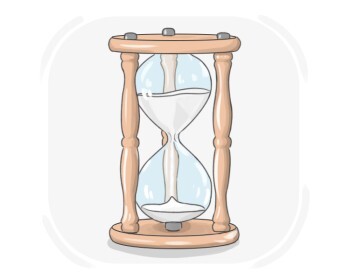
time
time
[名詞]

the quantity that is measured in seconds, minutes, hours, etc. using a device like clock

時間
時間

Ex: The bus will arrive on time. 
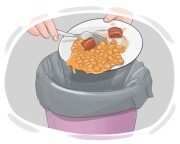
to waste
to waste
[動詞]

to use something without care or more than needed

浪費する,  無駄遣いする

浪費する, 無駄遣いする

Ex: She tends to waste water by leaving the faucet running while brushing her teeth. 
to save
to save
[動詞]

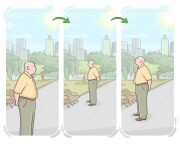
to keep something from being used or wasted, particularly so that it can be used or enjoyed in the right time in the future

節約する, 取っておく
節約する, 取っておく

Ex: She's saving her vacation days for an extended trip next year. 
to spend
to spend
[動詞]

to pass time in a particular manner or in a certain place

過ごす, 費やす

過ごす, 費やす

Ex: They spent the afternoon hiking in the mountains. 
to [take] time

to need a significant amount of time to be able to happen, be completed, or achieved
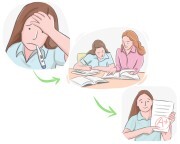
Ex: Learning a new language can take time, patience, and practice. 
to [make] up for lost time

to enjoy an experience as much as one can, due to the lack of previous opportunity

失った時間を取り戻す, できなかった分を取り返す

失った時間を取り戻す, できなかった分を取り返す

Ex: After years of working too much, she traveled for three months to make up for lost time. 

何年も働きすぎた後、彼女は失った時間を取り戻すために3か月旅をした。

to [give] {sb} a (hard|tough|rough) time

to tease, criticize, or treat someone harshly
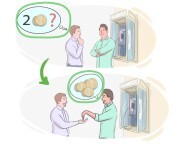
Ex: His brothers gave him a hard time about his new haircut. 
to spare
to spare
[動詞]

to give someone something that one has enough of

与える, 譲る

与える, 譲る

Ex: He was willing to spare his time to mentor new employees. 
to take up
to take up
[動詞]

to occupy a particular amount of space or time

占める, 取る

占める, 取る

Ex: The large sofa took up most of the room. 

大きなソファが部屋の大部分を占めていました。

to [have] the time

to have enough free time available to do something

Ex: With her busy schedule, she rarely has the time to relax and enjoy a good book. 
to [run] out of time

to reach the point when there is no more time available to complete a task or achieve a goal

Ex: Despite their best efforts, they ran out of time before they could finish the project. 
to [play] for time

to try to delay the occurrence of something so that one can prevent it from happening or have more time to properly prepare for it

時間を稼ぐ, 引き延ばして時間を作る

時間を稼ぐ, 引き延ばして時間を作る

Ex: The negotiators played for time while waiting for new instructions. 

交渉担当者たちは新しい指示を待ちながら時間を稼いでいた。

at
at
[前置詞]

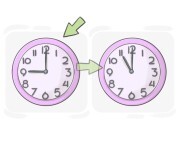
expressing the exact time when something happens

に, で

に, で

Ex: Are you ready?  The concert begins at 8 o'clock. 

準備はいいですか?コンサートは8時に始まります。

before
before
[副詞]

at an earlier point in time

以前に, 前に

以前に, 前に

Ex: I had visited that city before. 

私はその街を以前に訪れたことがありました。

behind
behind
[副詞]

at a later stage or point in time than expected or planned

遅れて, 後れを取って

遅れて, 後れを取って

Ex: I'm getting behind with my work and need to catch up. 

私は仕事が遅れていて、追いつく必要があります。

by
by
[副詞]

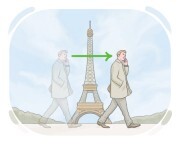
used to refer to moving past or alongside something or someone

そばに, 横に

そばに, 横に

Ex: The train rushed by, leaving a gust of wind in its wake. 

電車が通り過ぎ、その後に一陣の風を残した。

from
from
[前置詞]

used for showing the time when something begins to happen or exist

から, より

から, より

Ex: From next month, I will start my new job. 

来月から、新しい仕事を始めます。

in
in
[前置詞]

used to state how long it will be until something happens

で

で

Ex: We'll be there in a few days. 

私たちは数日でそこに着きます。

off
off
[副詞]

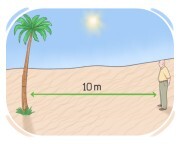
at or to a certain distance away in physical space

離れて, 遠くに

離れて, 遠くに

Ex: He watched silently from ten feet off. 

彼は10フィート離れたところから静かに見ていた。

on
on
[前置詞]

used to show a day or date

で, に

で, に

Ex: We celebrated her promotion on New Year's Eve. 

私たちは彼女の昇進を大晦日に祝いました。

to
to
[前置詞]

used to say where someone or something goes

へ

へ

Ex: He rode his bicycle to the store to buy some groceries. 
with time to spare

before the deadline or scheduled time, with an excess amount of time available
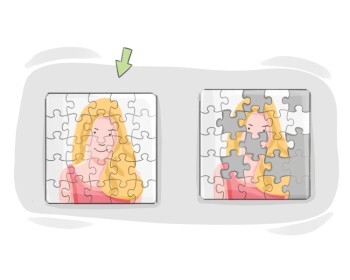
Ex: We arrived at the airport with time to spare, so we decided to grab a coffee before our flight. 
whole
whole
[形容詞]

including every part, member, etc.

全体の, 完全な

全体の, 完全な

Ex: She read the whole book in one sitting. 
time is up

used to indicate that the time given for a task or activity has ended and that no more time is available to complete it

Ex: The alarm rang, signaling that time is up for the exam and everyone had to stop writing. 
to [be] short of {sth}

to not have enough of something

Ex: They were constantly short of supplies during the war. 
to [have] time on {one's} hands

to not be busy with anything

時間を持て余す, 暇を持て余す

時間を持て余す, 暇を持て余す

Ex: Now that the project is finished, I suddenly have time on my hands. 

プロジェクトが終わって、急に時間を持て余すようになった。

for the time being

for a limited period, usually until a certain condition changes

当分の間, 今のところ

当分の間, 今のところ

Ex: For the time being, I am focusing on my studies before deciding on my career path. 

当分の間、私はキャリアパスを決める前に勉強に集中しています。

to [be] (only|just|) a matter of time

to certainly happen at some point in the future

いずれ起こる, 時間の問題だ

いずれ起こる, 時間の問題だ

Ex: With that much pressure, it was only a matter of time before the pipe burst. 

あれほどの圧力では、パイプはいずれ破裂するはずだった。

me time
me time
[句]

a period of time that an individual sets aside to focus on their own personal enjoyment, relaxation, and well-being, separate from their work or other responsibilities
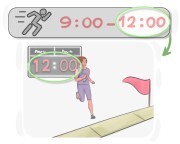
Ex: After a hectic week at work, she set aside Sunday afternoon for some much-needed me time, indulging in a relaxing bath and a good book. 
(about|high) time

used to indicate that something should have happened or been done earlier

そろそろ頃合いだ, 今さらという感じだ

そろそろ頃合いだ, 今さらという感じだ

Ex: It is about time you called your mother. 

そろそろお母さんに電話する頃合いだよ。

time-consuming
time-consuming
[形容詞]

(of an activity, task, or process) taking up a significant amount of time, and therefore requiring a considerable amount of effort or patience

時間がかかる,  長い

時間がかかる, 長い

Ex: The process of renovating the old house was extremely time-consuming, taking several months to complete. 

古い家を改装するプロセスは非常に時間がかかり、完成までに数ヶ月かかりました。

LanGeek
LanGeekアプリをダウンロード