pattern

Verbes de Mouvement - Verbes de Mouvement

Ici, vous apprendrez quelques verbes anglais se référant au mouvement tels que "traverser", "déplacer", et "glisser".

Réviser

Flashcards

formes

Orthographe

Quiz
Commencer à apprendre
Categorized English Verbs of Movement
to move
to move
[verbe]

to change your position or location

se déplacer, bouger
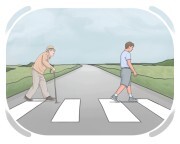
se déplacer, bouger

Ex: The camper could hear animals moving around in the bushes nearby. 

Le campeur pouvait entendre les animaux se déplacer dans les buissons à proximité.

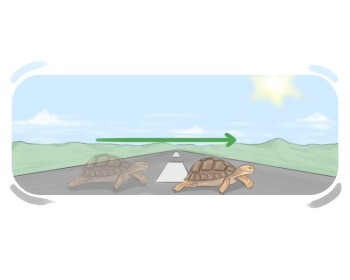
to cross
to cross
[verbe]

to go across or to the other side of something

traverser
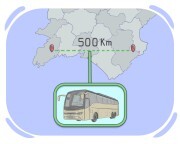
traverser

Ex: The pedestrian crosses the street at the designated crosswalk. 

Le piéton traverse la rue au passage pour piétons désigné.

to traverse

to move across or through in a specified direction

traverser

traverser

Ex: As part of the road trip, they decided to traverse the scenic coastal highway, enjoying picturesque views along the way. 

Dans le cadre du road trip, ils ont décidé de traverser l'autoroute côtière pittoresque, profitant des vues pittoresques en chemin.
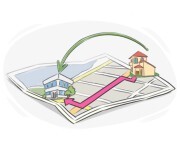
to shift
to shift
[verbe]

to move from a particular place or position to another

déplacer, changer de place
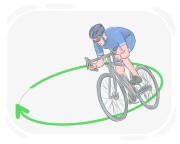
déplacer, changer de place

Ex: The cat lazily shifted from the sunny spot on the windowsill to the cooler shade beneath the table. 

Le chat s'est déplacé paresseusement de l'endroit ensoleillé sur le rebord de la fenêtre vers l'ombre plus fraîche sous la table.

to round
to round
[verbe]

to go around or encircle an object or obstacle, allowing movement to continue in a changed direction

contourner, faire le tour
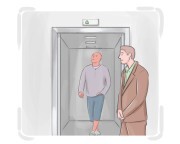
contourner, faire le tour

Ex: The hikers decided to round the large boulder obstructing the trail to reach the summit. 

Les randonneurs ont décidé de contourner le gros rocher obstruant le sentier pour atteindre le sommet.

to move over

to adjust one's position to create space for others

se pousser, faire de la place

se pousser, faire de la place

Ex: As the subway train filled up, commuters had to move over to make space for those entering. 

Alors que le métro se remplissait, les navetteurs ont dû se déplacer pour faire de la place à ceux qui entraient.
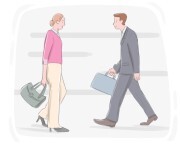
to pass by
to pass by
[verbe]

to go past someone or something

passer

passer

Ex: Every morning, I watch the school bus pass by my window. 

Chaque matin, je regarde le bus scolaire passer devant ma fenêtre.
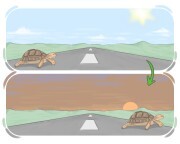
to inch
to inch
[verbe]

to move or progress very slowly and in small distances

avancer lentement, progresser au ralenti
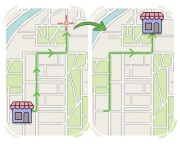
avancer lentement, progresser au ralenti

Ex: The caterpillar inched along the tree branch. 

La chenille avançait lentement le long de la branche de l'arbre.

to relocate

to move to a new place or position

déménager, relocaliser

déménager, relocaliser

Ex: The manufacturing plant decided to relocate its operations to a more cost-effective region. 

L'usine de fabrication a décidé de relocaliser ses opérations dans une région plus rentable.
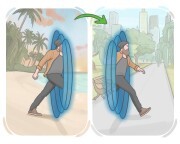
to teleport

to transport or move matter instantaneously from one location to another without traversing the physical space in between

téléporter

téléporter

Ex: As part of the storyline, the protagonist discovered a magical portal that allowed them to teleport. 

Dans le cadre de l'intrigue, le protagoniste a découvert un portail magique qui lui permettait de se téléporter.
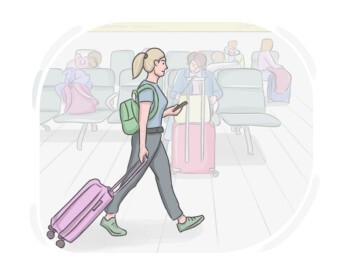
to travel
to travel
[verbe]

to go from one location to another, particularly to a far location

voyager
voyager

Ex: My family and I often travel by car to visit relatives in the countryside. 

Ma famille et moi voyageons souvent en voiture pour rendre visite à des parents à la campagne.

to locomote

to move from one place to another; to travel or transport

se déplacer, voyager

se déplacer, voyager

Ex: Some animals, like snakes, use a slithering motion to locomote on the ground. 

Certains animaux, comme les serpents, utilisent un mouvement de glissement pour se déplacer sur le sol.
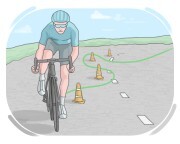
to maneuver

to strategically navigate or direct a vehicle, object, or oneself through a series of planned movements

manœuvrer

manœuvrer

Ex: The captain expertly maneuvered the ship through the narrow channel. 

Le capitaine a habilement manœuvré le navire à travers le chenal étroit.
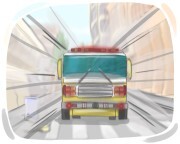
to surge
to surge
[verbe]

to move in a sudden, strong, and often irregular forward or upward motion

se précipiter, affluer

se précipiter, affluer

Ex: During rush hour, cars on the freeway often surge ahead in brief bursts before slowing down again. 

Pendant les heures de pointe, les voitures sur l'autoroute bondissent souvent en avant par à-coups avant de ralentir à nouveau.

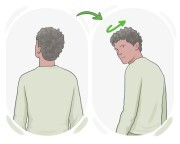
to turn around

to change your position so as to face another direction

tourner

tourner

Ex: When he heard his name, he turned around. 

Quand il a entendu son nom, il s'est retourné.
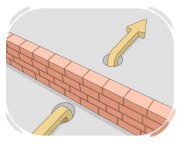
to bypass
to bypass
[verbe]

to navigate around or avoid something by taking an alternative route or direction

contourner, éviter

contourner, éviter

Ex: To save time during rush hour, commuters often bypass the busy intersection by using a less congested side street. 

Pour gagner du temps pendant les heures de pointe, les navetteurs contournent souvent le carrefour en empruntant une rue latérale moins encombrée.

to move along

to progress or shift from one place to another, especially to make room for others

avancer, se déplacer

avancer, se déplacer

Ex: The usher will move along the spectators to fill in the empty seats. 

L'huissier va se déplacer le long des spectateurs pour remplir les sièges vides.
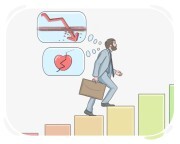
to press on

to continue moving forward, despite obstacles or distractions

persévérer, continuer

persévérer, continuer

Ex: When the path became difficult, she encouraged her team to press on. 

Lorsque le chemin est devenu difficile, elle a encouragé son équipe à persévérer.
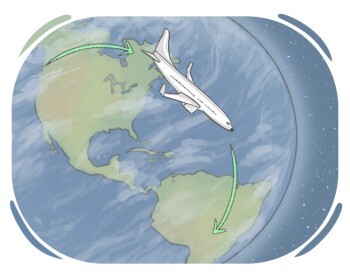
to migrate
to migrate
[verbe]

to move or relocate from one place to another place

migrer, se déplacer

migrer, se déplacer

Ex: In the brewing process, yeast cells migrate to the bottom of the fermentation vessel as they settle. 

Dans le processus de brassage, les cellules de levure migrent vers le fond de la cuve de fermentation lorsqu'elles se déposent.
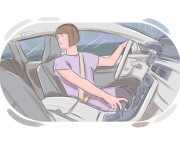
to reverse
to reverse
[verbe]

to cause or maneuver a vehicle to move backward

reculer, faire marche arrière
reculer, faire marche arrière

Ex: The worker had to reverse the conveyor belt to clear a jam in the production line. 

Le travailleur a dû inverser la bande transporteuse pour dégager un bourrage dans la ligne de production.

to slip
to slip
[verbe]

to move smoothly, easily, or quietly in a particular direction or position

glisser, se faufiler
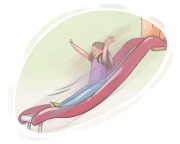
glisser, se faufiler

Ex: The snake was able to slip silently through the grass, avoiding detection. 

Le serpent a pu glisser silencieusement à travers l'herbe, évitant ainsi d'être détecté.

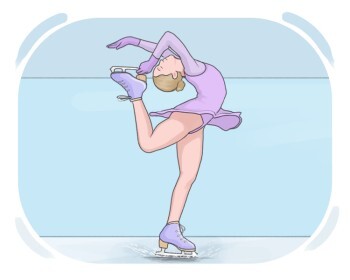
to slide
to slide
[verbe]

to move smoothly over a surface

glisser
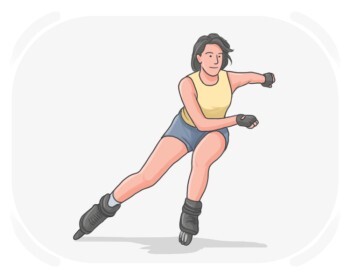
glisser

Ex: The figure skater gracefully slid across the ice, leaving a trail of delicate patterns. 

Le patineur artistique a glissé avec grâce sur la glace, laissant une traînée de motifs délicats.

to glide
to glide
[verbe]

to move smoothly and effortlessly through the air or on a surface with little or no propulsion

planer, glisser

planer, glisser

Ex: The swan glided across the tranquil pond, leaving a trail of ripples behind. 

Le cygne glissa à travers l'étang tranquille, laissant une traînée de rides derrière lui.
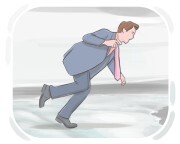
to skid
to skid
[verbe]

(of a vehicle) to slide or slip uncontrollably, usually on a slippery surface

déraper, glisser

déraper, glisser

Ex: The delivery van skidded momentarily on the oil spill, but the driver quickly corrected the course. 

Le camion de livraison a dérapé momentanément sur la nappe de pétrole, mais le conducteur a rapidement corrigé la trajectoire.

to skim
to skim
[verbe]

to lightly and quickly move over a surface

effleurer, survoler

effleurer, survoler

Ex: The swallowtail butterfly appeared to effortlessly skim from flower to flower. 

Le papillon queue d'aronde semblait effleurer sans effort d'une fleur à l'autre.
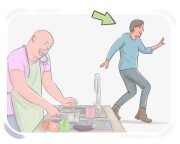
to sneak
to sneak
[verbe]

to move quietly and stealthily, often with the intention of avoiding detection or being unnoticed

se faufiler,  se glisser

se faufiler, se glisser

Ex: Right now, he is sneaking up behind his friend to play a prank. 

En ce moment, il est en train de se faufiler derrière son ami pour jouer un tour.
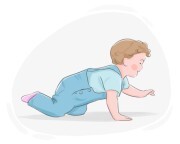
to crawl
to crawl
[verbe]

to move slowly with the body near the ground or on the hands and knees

marcher à quatre pattes, ramper
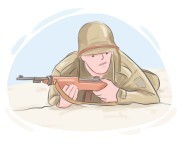
marcher à quatre pattes, ramper

Ex: As the hikers reached the steep slope, they had to crawl on their hands and knees to navigate the challenging terrain. 

Alors que les randonneurs atteignaient la pente raide, ils ont dû ramper sur leurs mains et leurs genoux pour naviguer sur le terrain difficile.

to creep
to creep
[verbe]

to move slowly and quietly while staying close to the ground or other surface

ramper, grimper

ramper, grimper

Ex: In the garden, the inchworm started to creep along the stem of the flower. 

Dans le jardin, l'arpenteuse a commencé à ramper le long de la tige de la fleur.

to skulk
to skulk
[verbe]

to move or hide in a stealthy or furtive manner

rôder

rôder

Ex: The cat, attempting to catch a mouse, skulked quietly along the edge of the room. 

Le chat, essayant d'attraper une souris, se faufilait silencieusement le long du bord de la pièce.

to slink
to slink
[verbe]

to move or walk stealthily, attempting to avoid attention or detection

se faufiler, avancer furtivement

se faufiler, avancer furtivement

Ex: Trying to avoid notice, the spy slinked along the corridor. 

Essayant d'éviter d'être remarqué, l'espion se faufilait le long du couloir.
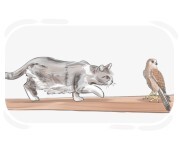
to stalk
to stalk
[verbe]

to move stealthily or quietly towards prey or a target, typically in a deliberate and calculated manner

traquer, pister

traquer, pister

Ex: The cheetah, known for its incredible speed, began to stalk a group of gazelles on the horizon. 

Le guépard, connu pour sa vitesse incroyable, a commencé à traquer un groupe de gazelles à l'horizon.

LanGeek
Télécharger l'application LanGeek