
Verbes de Style de Vie Physique et Social - Verbes pour les mauvais traitements
Ici, vous apprendrez quelques verbes anglais se référant aux mauvais traitements tels que "abuser", "intimider" et "opprimer".
Réviser
Flashcards
formes
Orthographe
Quiz
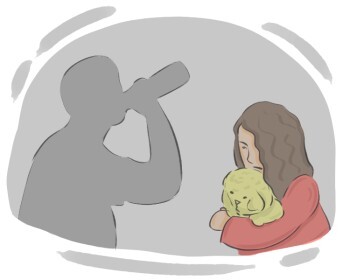
to treat someone or something poorly or unfairly

maltraiter, malmener
Il a mal traité ses employés en les forçant à travailler de longues heures sans pauses et dans des conditions dangereuses.
to treat someone or something with cruelty or violence, often causing harm or suffering
maltraiter, malmener
L'organisation a été critiquée pour maltraiter ses employés, qui étaient soumis à des conditions de travail difficiles et à des abus verbaux.
to behave cruelly or harshly towards someone or something
maltraiter, brutaliser
Les animaux ne devraient jamais être maltraités; ils méritent d'être soignés avec gentillesse et compassion.
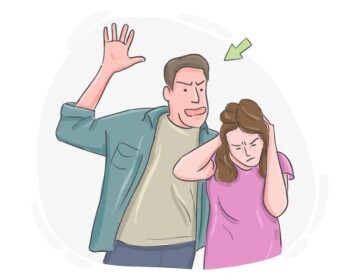
to cruelly or violently treat a person or an animal, especially regularly or repeatedly
maltraiter
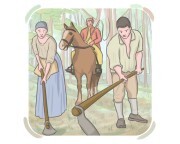
to unfairly control or harm someone through unjust use of power or authority
opprimer, réprimer
Le dictateur opprimait la population, leur refusant les droits et libertés fondamentaux.
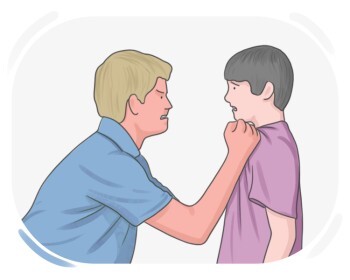
to use power or influence to frighten or harm someone weaker or more vulnerable
intimider, brimer
Il a été harcelé à l'école parce qu'il était différent, ce qui a laissé des cicatrices émotionnelles durables.
to make someone a target of harm, unfair treatment, or exploitation
victimiser, prendre pour cible
Il est essentiel de sensibiliser et d'agir pour empêcher que des individus vulnérables ne soient victimes dans nos communautés.
to manipulate someone into questioning their own perceptions, memories, or sanity, often by denying or distorting the truth
manipuler psychologiquement, faire douter de sa réalité
Le partenaire abusif manipulerait psychologiquement son conjoint, le faisant douter de ses propres expériences et émotions.
to take advantage of someone's feelings or weaknesses
exploiter les sentiments ou les faiblesses de quelqu'un, manipuler les émotions de quelqu'un pour obtenir la réaction voulue
Le film a joué sur nos émotions, utilisant des retours en arrière touchants et des moments réconfortants.
to treat someone unfairly or unjustly
léser, faire du tort à
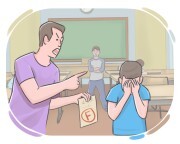
to publicly criticize, expose, or humiliate someone in a way that causes disgrace
faire honte à, humilier publiquement
to cause someone to feel extreme embarrassment or shame
mortifier
Elle était mortifiée quand elle a réalisé qu'elle avait porté des chaussures dépareillées à la réunion importante.
to make a person feel ashamed, uneasy, or nervous, especially in front of other people
mettre dans l'embarras
Elle était gênée lorsque son téléphone a sonné bruyamment pendant la réunion.

to make someone feel uneasy, embarrassed, or anxious
déconcerter, décontenancer, désarçonner, confondre
Les questions personnelles pointues sont susceptibles de décontenancer la plupart des gens lors d'un entretien d'embauche.
to make someone feel uneasy and ashamed
embarrasser
L'adolescent timide était facilement confus par la moindre attention ou examen.
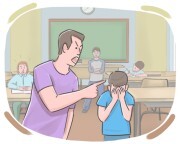
to cause someone to feel extremely embarrassed or ashamed, often by publicly exposing their weaknesses or shortcomings
humilier
Il n'est jamais acceptable d'humilier quelqu'un pour ses différences ou ses vulnérabilités.
to make something or someone seem less important
déprécier, minimiser
Il a toujours rabaissé ses réalisations, la faisant se sentir insignifiante.
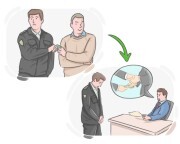
to bring shame or dishonor on oneself or other people
déshonorer
Elle a estimé qu'elle s'était déshonorée en ne répondant pas à ses propres normes.
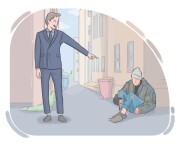
to regard someone or something as inferior or unworthy of respect or consideration
considérer quelqu'un ou quelque chose comme inférieur ou indigne de respect, regarder quelqu'un de haut
Le groupe préjugé méprisait les personnes de cultures différentes, les considérant comme inférieures.
to make someone feel ashamed by reminding them of their weaknesses or limitations
humilier, abaisser
Les sages paroles de l'aîné ont humilié le jeune homme arrogant.
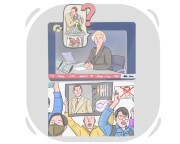
to make someone or something be no longer respected
discréditer
Le scandale a servi à discréditer le politicien aux yeux du public.
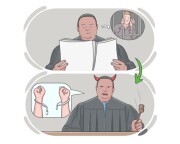
to influence someone or something unfairly in favor of or against a particular view or outcome
influencer
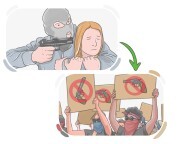
to cause someone to form an unfair or unreasonable opinion about a person or thing
influencer
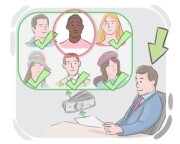
to unfairly treat a person or group of people based on their sex, race, etc.
faire de distinctions
Il est illégal de discriminer les individus en fonction de leur orientation sexuelle.
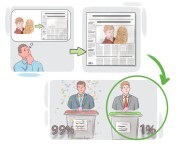
to disadvantage or harm someone or something by hindering their progress
désavantager, nuire à
Ses opinions franches sur le sujet l'ont désavantagé parmi ses collègues, conduisant à un ostracisme sur le lieu de travail.
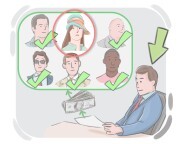
to treat someone unfairly or cruelly, often because of their race, gender, religion, or beliefs
persécuter, maltraiter
Il a été persécuté pour ses convictions politiques, faisant face à l'emprisonnement et à la censure.

to treat a person, group, or concept as insignificant or of secondary or minor importance
marginaliser
Les personnes de couleur sont souvent marginalisées dans les médias grand public, ce qui conduit à une sous-représentation et à des stéréotypes.

to make one feel isolated or hostile toward a person or group
éloigner
Elle craignait que sa décision ne aliène sa famille.
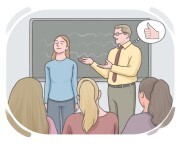
to focus on a particular person or thing from a group in either a positive or negative manner
distinguer quelqu'un ou quelque chose d'un groupe, désigner particulièrement
Le jury a été instruit de ne pas mettre en avant un témoin pendant le procès.
