
Động Từ Chỉ Lối Sống Thể Chất và Xã Hội - Động từ cho sự ngược đãi
Ở đây bạn sẽ học một số động từ tiếng Anh đề cập đến sự ngược đãi như "lạm dụng", "bắt nạt" và "áp bức".
Xem lại
Thẻ ghi nhớ
Chính tả
Đố vui
to treat someone or something poorly or unfairly

ngược đãi,đối xử tệ
Đừng đối xử tệ với đồ đạc của bạn; chăm sóc và bảo dưỡng đúng cách sẽ kéo dài tuổi thọ của chúng.
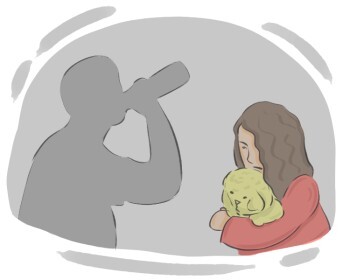
to treat someone or something with cruelty or violence, often causing harm or suffering
ngược đãi,hành hạ
Không thể chấp nhận được việc ngược đãi những cá nhân dễ bị tổn thương, chẳng hạn như người tị nạn hoặc người xin tị nạn, những người đang tìm kiếm sự an toàn và bảo vệ.
to behave cruelly or harshly towards someone or something
ngược đãi,hành hạ
Nhà độc tài nổi tiếng vì đối xử tệ bạc với những người bất đồng chính kiến, bắt họ phải chịu tra tấn và giam cầm.
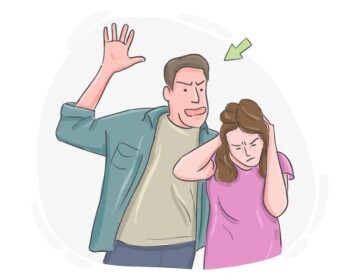
to cruelly or violently treat a person or an animal, especially regularly or repeatedly
ngược đãi,lạm dụng
Các nhà hoạt động vì quyền động vật làm việc không mệt mỏi để phơi bày và ngăn chặn những cá nhân ngược đãi động vật vì mục đích giải trí.
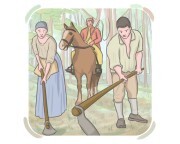
to treat people cruelly or unfairly by using power or authority to restrict their rights and freedoms
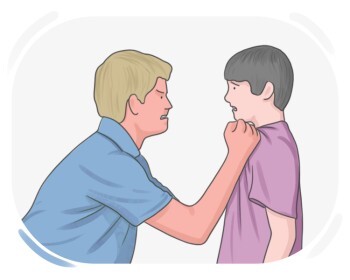
to use power or influence to frighten or harm someone weaker or more vulnerable
bắt nạt,ức hiếp
Anh ấy bị bắt nạt ở trường vì khác biệt, điều đó để lại những vết sẹo tình cảm lâu dài.
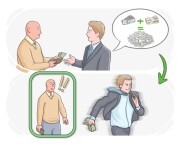
to make someone a target of harm, unfair treatment, or exploitation
nạn nhân hóa,nhắm vào
Dân số dễ bị tổn thương đã bị hại bởi các chính sách không công bằng của chính phủ.
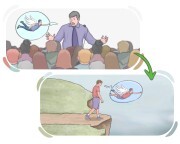
to manipulate someone into questioning their own perceptions, memories, or sanity, often by denying or distorting the truth
thao túng tâm lý,khiến ai đó nghi ngờ nhận thức của chính mình
Chính trị gia đã cố gắng thao túng công chúng, phủ nhận sự thật và lan truyền thông tin sai lệch để gây nhầm lẫn cho cử tri.
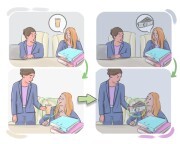
to take advantage of someone's feelings or weaknesses
lợi dụng cảm xúc hoặc điểm yếu của ai, thao túng cảm xúc của ai để tạo phản ứng mong muốn
Những kẻ lừa đảo thường lợi dụng sự tin tưởng và thiếu hiểu biết về công nghệ của người già để lừa gạt họ.
to treat someone unfairly or unjustly
đối xử bất công,làm hại
Công ty đã đối xử bất công với nhân viên bằng cách từ chối trả lương cho họ.
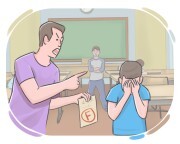
to publicly criticize, expose, or humiliate someone in a way that causes disgrace
làm bẽ mặt, bêu xấu
to cause someone to feel extreme embarrassment or shame
làm bẽ mặt,làm xấu hổ
Đứa trẻ cảm thấy xấu hổ khi mẹ mắng nó trước mặt bạn bè.
to make someone feel ashamed, uncomfortable, or self-conscious, especially in front of other people
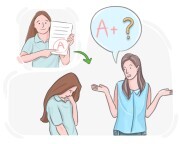
to make someone feel uneasy, embarrassed, or anxious
làm bối rối,làm khó chịu
Những câu hỏi cá nhân trực tiếp có khả năng làm bối rối hầu hết mọi người trong một cuộc phỏng vấn xin việc.
to make someone feel embarrassed, ashamed, or uncomfortable, especially by undermining their confidence

to cause someone to feel extremely embarrassed or ashamed, often by publicly exposing their weaknesses or shortcomings
làm nhục
Cô ấy thề sẽ không bao giờ lại đặt mình vào tình huống có thể bị làm nhục nữa.
to make something or someone seem less important
coi thường,xem nhẹ
Cha mẹ không bao giờ nên coi thường ước mơ của con cái, mà nên khuyến khích và hỗ trợ chúng.
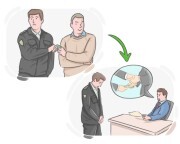
to bring shame or dishonor on oneself or other people
làm nhục,làm ô danh
Hành động tham nhũng của chính trị gia đã làm nhục toàn bộ chính phủ.
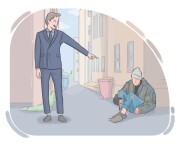
to regard someone or something as inferior or unworthy of respect or consideration
coi ai hoặc điều gì là thấp kém hoặc không đáng được tôn trọng, coi thường ai
Chính trị gia kiêu ngạo coi thường đối thủ của mình, bác bỏ ý tưởng của họ là không đáng kể.
to make someone feel ashamed by reminding them of their weaknesses or limitations
làm nhục,hạ thấp
Những lời chỉ trích gay gắt đã hạ thấp anh ta, khiến anh ta phải suy nghĩ về hành động của mình và cố gắng trở nên tốt hơn.
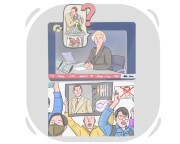
to make someone or something be no longer respected
làm mất uy tín,làm giảm danh tiếng
Những phát hiện của cuộc điều tra đã làm mất uy tín của công ty trước đây được kính trọng.
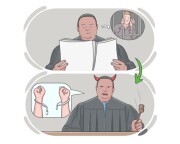
to influence someone or something unfairly in favor of or against a particular view or outcome
thiên lệch, ảnh hưởng
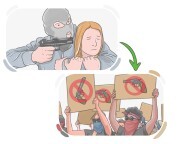
to cause someone to form an unfair or unreasonable opinion about a person or thing
làm cho có thành kiến, gây định kiến
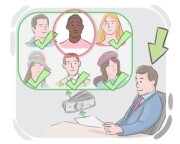
to unfairly treat a person or group of people based on their sex, race, etc.
phân biệt đối xử
Phân biệt đối xử với các cá nhân dựa trên xu hướng tình dục của họ là bất hợp pháp.
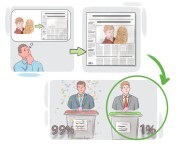
to disadvantage or harm someone or something by hindering their progress
gây bất lợi,làm hại
Những thay đổi trong luật thuế bất lợi cho các gia đình có thu nhập thấp, làm trầm trọng thêm bất bình đẳng kinh tế.
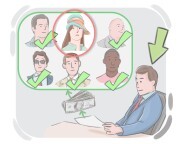
to treat someone unfairly or cruelly, often because of their race, gender, religion, or beliefs
ngược đãi,đàn áp
Trong suốt lịch sử, phụ nữ đã bị bức hại vì đấu tranh cho quyền lợi và bình đẳng của họ.

to treat a person, group, or concept as insignificant or of secondary or minor importance
gạt ra ngoài lề,xem nhẹ
Các chính sách của công ty đã vô tình gạt ra ngoài lề những nhân viên khuyết tật, khiến họ khó có thể tham gia đầy đủ vào nơi làm việc.
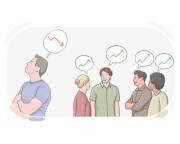
to make one feel isolated or hostile toward a person or group
làm xa lánh,làm xa cách
Những bình luận gây tranh cãi đã làm xa cách anh ta với phần còn lại của nhóm.

to focus on a particular person or thing from a group in either a positive or negative manner
chọn riêng ai hoặc thứ gì khỏi một nhóm, đặc biệt chú ý đến
Ban giám khảo được hướng dẫn không tập trung vào bất kỳ nhân chứng nào trong phiên tòa.
