
Czasowniki Stylu Życia Fizycznego i Społecznego - Czasowniki dla znęcania się
Tutaj nauczysz się niektórych angielskich czasowników odnoszących się do złego traktowania, takich jak "nadużywać", "znęcać się" i "uciskać".
Przegląd
Fiszki
formy
Pisownia
Test
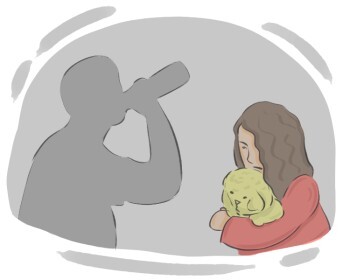
to treat someone or something poorly or unfairly

znęcać się, źle traktować
Więzień twierdził, że był źle traktowany przez strażników w ośrodku zatrzymań, powołując się na przypadki zaniedbania i brutalności.
to treat someone or something with cruelty or violence, often causing harm or suffering
znęcać się, dokuczać
Zwierzęta nigdy nie powinny być znęcane; zasługują na to, by traktować je z życzliwością i szacunkiem.
to behave cruelly or harshly towards someone or something
znęcać się, dokuczać
Szkoła wprowadziła surowe zasady, aby zapobiec znęcaniu się uczniów nad swoimi rówieśnikami poprzez zastraszanie lub molestowanie.
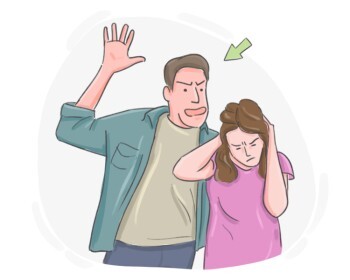
to cruelly or violently treat a person or an animal, especially regularly or repeatedly
znęcać się, nadużywać
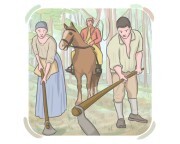
to unfairly control or harm someone through unjust use of power or authority
uciskać, tłamsić
Tyrański władca uciskał swoich poddanych, rządząc żelazną pięścią i tłumiąc wszelkie formy sprzeciwu.
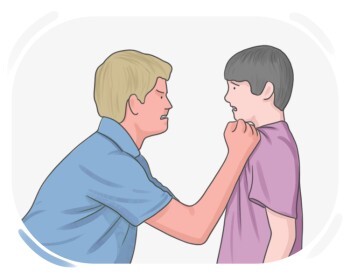
to use power or influence to frighten or harm someone weaker or more vulnerable
znęcać się, prześladować
Nie jest w porządku znęcać się nad innymi; każdy zasługuje na to, by czuć się bezpiecznie i szanowany.
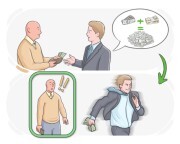
to make someone a target of harm, unfair treatment, or exploitation
ofiarować, uczynić celem
Media często ofiarują celebrytów, sensacyjnie przedstawiając ich osobiste zmagania.
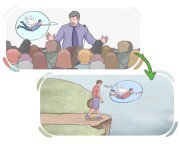
to manipulate someone into questioning their own perceptions, memories, or sanity, often by denying or distorting the truth
manipulować psychologicznie, sprawiać
Przywódca sekty manipulował swoimi wyznawcami, przekonując ich, że ich wątpliwości i obawy są po prostu oznakami słabości.
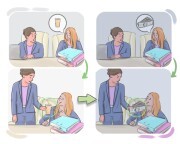
to take advantage of someone's feelings or weaknesses
wykorzystywać czyjeś uczucia lub słabości, manipulować czyimiś emocjami aby uzyskać pożądaną reakcję
Mówca motywacyjny grał na pragnieniu sukcesu publiczności, aby sprzedać swoje książki i kursy.
to treat someone unfairly or unjustly
skrzywdzić, postąpić niesprawiedliwie wobec
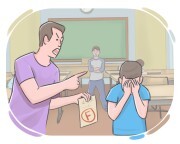
to publicly criticize, expose, or humiliate someone in a way that causes disgrace
zawstydzić, publicznie ośmieszyć
to cause someone to feel extreme embarrassment or shame
upokarzać, zawstydzać
Ważne jest, aby nie upokarzać innych celowo ostrymi krytykami lub kpinami.
to make a person feel ashamed, uneasy, or nervous, especially in front of other people
zawstydzać, wprawiać w zakłopotanie
Zapomnienie swoich kwestii na scenie zawstydziło aktorkę, ale odzyskała równowagę z gracją.
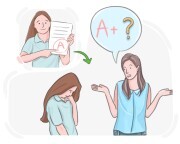
to make someone feel uneasy, embarrassed, or anxious
wprawiać w zakłopotanie, wytrącać z równowagi
Jej bezpośrednia szczerość często wprawiała w zakłopotanie tych, którzy spodziewali się uprzejmej rozmowy.
to make someone feel uneasy and ashamed
zawstydzać, wprawiać w zakłopotanie
Jej nagłe pytanie zawstydziło go, pozostawiając go bez słowa.
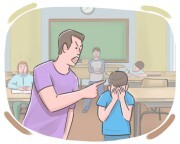
to cause someone to feel extremely embarrassed or ashamed, often by publicly exposing their weaknesses or shortcomings
upokarzać
Publiczne odrzucenie upokorzyło go i zniszczyło jego pewność siebie.
to make something or someone seem less important
umniejszać, lekceważyć
Czuła się sfrustrowana, gdy ludzie umniejszali jej pasję do projektu.
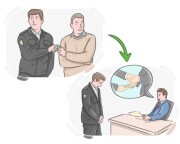
to bring shame or dishonor on oneself or other people
hańbić, kompromitować
Martwił się, że jego przeszłe błędy zhańbią nazwisko jego rodziny.
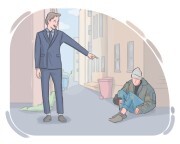
to regard someone or something as inferior or unworthy of respect or consideration
uważać kogoś lub coś za gorsze lub niegodne szacunku, patrzeć na kogoś z góry
Zbyt pewny siebie sportowiec patrzył z góry na swoich rywali, wierząc, że jest pod każdym względem lepszy.
to make someone feel ashamed by reminding them of their weaknesses or limitations
upokarzać, uniżać
Jego porażka w konkursie upokorzyła go i zmusiła do ponownej oceny swojego podejścia.
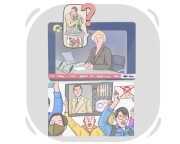
to make someone or something be no longer respected
zdyskredytować, podszyć zaufanie
Próby zdyskredytowania jej wiedzy specjalistycznej nie powiodły się, ponieważ wielokrotnie udowadniała swoje umiejętności.
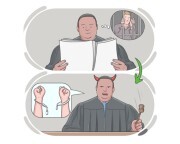
to influence someone or something unfairly in favor of or against a particular view or outcome
wpływać, stronniczo nastawiać
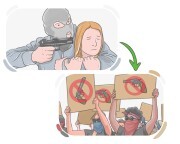
to cause someone to form an unfair or unreasonable opinion about a person or thing
nastawić, uprzedzić
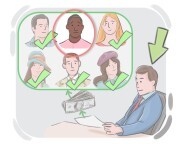
to unfairly treat a person or group of people based on their sex, race, etc.
dyskryminować
Prawo zabrania firmom dyskryminowania klientów ze względu na ich niepełnosprawność.
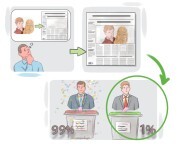
to disadvantage or harm someone or something by hindering their progress
dyskryminować, szkodzić
Warunki pogodowe nie sprzyjały sportowcom, wpływając na ich wyniki w zawodach.
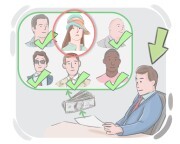
to treat someone unfairly or cruelly, often because of their race, gender, religion, or beliefs
prześladować, znęcać się
Społeczność LGBTQ+ nadal jest prześladowana w wielu krajach, stając przed przemocą i dyskryminacją.
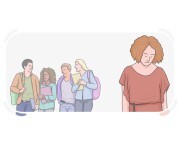
to treat a person, group, or concept as insignificant or of secondary or minor importance
marginalizować, spychać na margines
System edukacji nieumyślnie marginalizuje uczniów z rodzin o niskich dochodach, ograniczając ich dostęp do zasobów i możliwości.
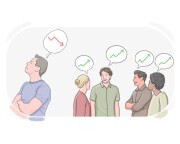
to make one feel isolated or hostile toward a person or group
alienować, oddalać
Ciągła krytyka ze strony partnera zaczęła alienować go emocjonalnie.
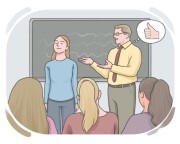
to focus on a particular person or thing from a group in either a positive or negative manner
wyróżnić kogoś lub coś z grupy, szczególnie wyróżnić
Nauczyciel wyróżnił ucznia za jego wybitne wypracowanie.
