
Verbos de Estilo de Vida Físico y Social - Verbos para el maltrato
Aquí aprenderás algunos verbos en inglés que se refieren al maltrato como "abusar", "intimidar" y "oprimir".
Revisión
Tarjetas de memoria
formas
Ortografía
Cuestionario
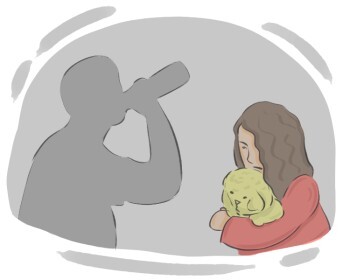
to treat someone or something poorly or unfairly

maltratar, tratar mal
No maltrates tus pertenencias; el cuidado y mantenimiento adecuados prolongarán su vida útil.
to treat someone or something with cruelty or violence, often causing harm or suffering
maltratar
Los animales nunca deben ser maltratados; merecen ser tratados con amabilidad y respeto.
to behave cruelly or harshly towards someone or something
maltratar, abusar
El dictador era conocido por maltratar a los disidentes políticos, sometiéndolos a tortura y encarcelamiento.
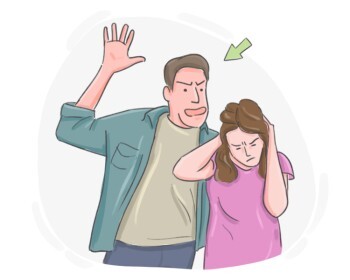
to cruelly or violently treat a person or an animal, especially regularly or repeatedly
maltratar
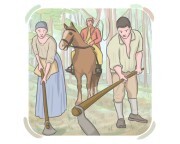
to unfairly control or harm someone through unjust use of power or authority
oprimir, reprimir
A lo largo de la historia, los grupos marginados han sido oprimidos por aquellos en posiciones de poder.
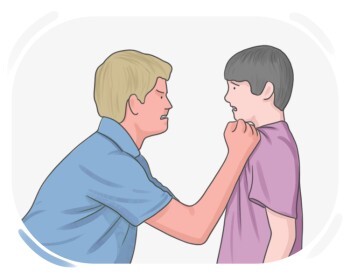
to use power or influence to frighten or harm someone weaker or more vulnerable
intimidar, acosar
El gerente intimidaba a sus empleados para que trabajaran horas extras sin compensación.
to make someone a target of harm, unfair treatment, or exploitation
victimizar, tomar como blanco
La población vulnerable fue victimizada por las políticas injustas del gobierno.
to manipulate someone into questioning their own perceptions, memories, or sanity, often by denying or distorting the truth
abusar psicológicamente a
El líder de la secta manipulaba a sus seguidores, convenciéndolos de que sus dudas y preocupaciones eran simplemente signos de debilidad.
to take advantage of someone's feelings or weaknesses
aprovecharse de los sentimientos o debilidades de alguien, manipular los sentimientos de alguien para provocar una reacción deseada
Los estafadores aprovechan a menudo la confianza y la falta de conocimientos tecnológicos de los ancianos para engañarlos.
to treat someone unfairly or unjustly
agraviar, hacer mal a
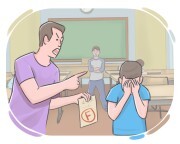
to publicly criticize, expose, or humiliate someone in a way that causes disgrace
avergonzar, hacer pasar vergüenza
to cause someone to feel extreme embarrassment or shame
mortificar
El niño quedó mortificado cuando su madre lo regañó frente a sus amigos.
to make a person feel ashamed, uneasy, or nervous, especially in front of other people
avergonzar
Es importante no avergonzar intencionalmente a otros con burlas o burlas.

to make someone feel uneasy, embarrassed, or anxious
desconcertar
Un cumplido inesperado de su enamorado los desconcertó con una oleada de timidez.
to make someone feel uneasy and ashamed
avergonzar
No es educado avergonzar a alguien señalando sus defectos en público.

to cause someone to feel extremely embarrassed or ashamed, often by publicly exposing their weaknesses or shortcomings
humillar
El rechazo público lo humilló y destrozó su confianza.
to make something or someone seem less important
menospreciar, despreciar
Los padres nunca deberían menospreciar los sueños de sus hijos, sino animarlos y apoyarlos.
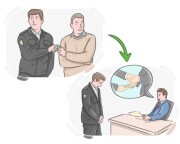
to bring shame or dishonor on oneself or other people
deshonrar
Las acciones corruptas del político deshonraron a todo el gobierno.
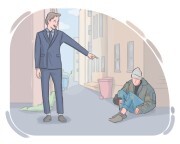
to regard someone or something as inferior or unworthy of respect or consideration
considerar a alguien o algo inferior o indigno de respeto, mirar a alguien por encima del hombro
El político arrogante menospreciaba a sus oponentes, descartando sus ideas como insignificantes.
to make someone feel ashamed by reminding them of their weaknesses or limitations
humillar, rebajar
Las duras críticas lo humillaron, llevándolo a reflexionar sobre sus acciones y esforzarse por ser mejor.
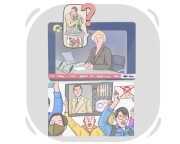
to make someone or something be no longer respected
desacreditar
Los hallazgos de la investigación desacreditaron a la empresa antes respetada.
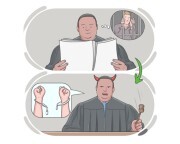
to influence someone or something unfairly in favor of or against a particular view or outcome
condicionar, predisponer

to cause someone to form an unfair or unreasonable opinion about a person or thing
predisponer
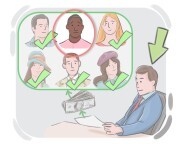
to unfairly treat a person or group of people based on their sex, race, etc.
discriminar
Discriminar a alguien por su raza es una forma de racismo.
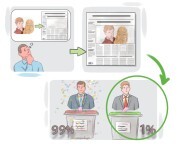
to disadvantage or harm someone or something by hindering their progress
perjudicar, desfavorecer
Los cambios en el código fiscal perjudicaron a las familias de bajos ingresos, exacerbando la desigualdad económica.
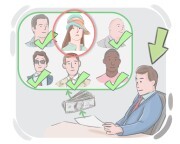
to treat someone unfairly or cruelly, often because of their race, gender, religion, or beliefs
perseguir, maltratar
A lo largo de la historia, las mujeres han sido perseguidas por defender sus derechos y la igualdad.

to treat a person, group, or concept as insignificant or of secondary or minor importance
marginar
Las políticas de la empresa marginaron inadvertidamente a los empleados con discapacidades, dificultando su participación plena en el lugar de trabajo.

to make one feel isolated or hostile toward a person or group
alienar
Los comentarios controvertidos lo alienaron del resto del grupo.

to focus on a particular person or thing from a group in either a positive or negative manner
destacar a alguien o algo de un grupo, señalar especialmente
El profesor no quería destacar a ningún estudiante en particular, por lo que se dirigió a toda la clase sobre la importancia de completar las tareas a tiempo.
