
Könyv: Headway - Felső-középhaladó - Egység 12
Itt találod a Headway Upper Intermediate tankönyv 12. egységének szókincsét, például a "cushy", "digest", "apparent" stb.
Áttekintés
Villámkártyák
alakok
Betűzés
Kvíz

![to [take] time](/assets/img/no-pic-700w.png "to [take] time")
to need a significant amount of time to be able to happen, be completed, or achieved
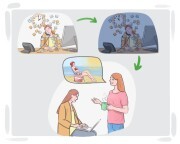
used to tell someone to change their life style and start doing more exciting or important things

kezdj el élni, találj valami értelmesebbet
Ha a hétvégi terved az, hogy idegenekkel vitatkozol a neten, találj valami értelmesebbet.
![to [kill] (the|) time](https://cdn.langeek.co/photo/44152/thumb/350?type=jpeg "to [kill] (the|) time")
to spend or use time in a way that does not achieve anything or have a particular goal
used to express that after failing twice, one is bound to succeed on the third try
Harmadik alkalom lucky, Harmadikra mindig sikerül
Két sikertelen próbálkozás után a munka megszerzésére azt gondolta, harmadikra sikerül.
used in a situation when there is only a little time to do something and one must be careful not to waste any of it
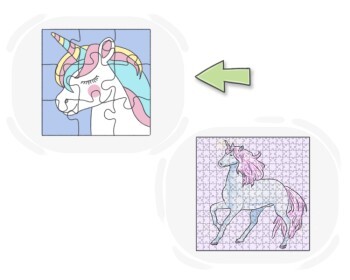
involving minimal effort or hardship
könnyű, kényelmes
Évekig tartó igényes munka után hálás volt az új, kényelmes nyugdíjas életmódjáért.
to become lively and energetic
életre kelni, felpezsdülni
A buli életre kelt, amikor a zenekar játszani kezdett.
![to [bet] {one's} (life|boots|bottom dollar)](https://cdn.langeek.co/photo/46670/thumb/350?type=jpeg "to [bet] {one's} (life|boots|bottom dollar)")
to express strongly and confidently that something is undoubtedly true or will certainly happen
teljesen biztosnak lenni, holtbiztosnak lenni
Teljesen biztos lehetsz benne, hogy kedvezményt fog kérni.
used to encourage someone who has just missed an opportunity or failed to succeed in a particular field
Jobb szerencsét legközelebb, Több szerencsét legközelebb
Ezúttal nem nyertél, de jobb szerencsét legközelebb.
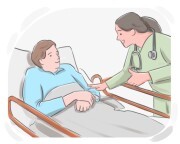
another chance for someone to become more healthy, energetic, or adopting a more optimistic view on life

for a limited period, usually until a certain condition changes
egyelőre, időlegesen
Egyelőre ideiglenes menedzserként szolgál, amíg állandó helyettes nem kerül elő.
to remain strong, valuable, or effective over a long period, despite changes or challenges
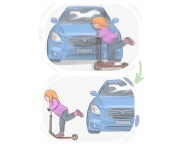
just before it is too late
az utolsó pillanatban, épp időben
to be willing to do whatever it takes to avoid trouble or conflict and have a peaceful and stress-free existence
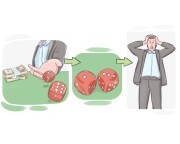
used to say that it is typical of a person to experience an unfortunate event
ez az én formám, ez az én szerencsém
Pont azon a napon, amikor otthon hagyom az ernyőt, szakadni kezd. Ez az én szerencsém.
to be in or to get oneself into a situation that may result in an unpleasant or dangerous outcome
fennáll a veszélye valaminek, kitenni magát valami veszélyének
A javítások halogatásával a főbérlő nagyobb per veszélyének tette ki magát.

to complete or conduct a task, job, etc.
végrehajt, elvégez egy feladatot vagy munkát
Lényeges, hogy alapos piaci trendelemzést végezzünk egy új termék bevezetése előtt.

a careful and systematic study of a subject to discover new facts or information about it
kutatás
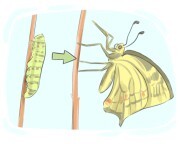
to start or grow to be
válik, lesz
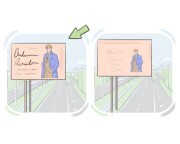
easy to see or notice
nyilvánvaló, látható
A táj nyilvánvaló szépsége elállta a lélegzetét.
![to [take] {sth} into account](https://cdn.langeek.co/photo/42092/thumb/350?type=jpeg "to [take] {sth} into account")
to consider something when trying to make a judgment or decision
figyelembe venni valamit, számításba venni valamit
A bíró az ítélet meghozatalakor figyelembe vette a korát és az egészségi állapotát.
to start or begin something, often with a sense of urgency or purpose
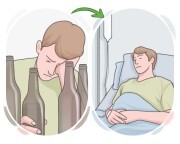
to experience and be affected by something bad or unpleasant
szenved, elszenved
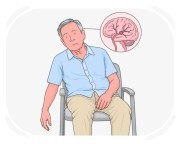
a dangerous condition in which a person loses consciousness as a result of a blood vessel breaking open or becoming blocked in their brain, which could kill or paralyze a part of their body
szélütés, agyverzés
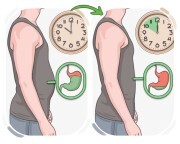
to break down food in the body and to absorb its nutrients and necessary substances
emészt, felszív
Egyes ételek könnyebben emészthetők, mint mások.
to make two or more strangers get comfortable with each other and engage in a conversation
megtörni a jeget, oldani a feszültséget
A tanár az első órán egy egyszerű játékkal törte meg a jeget.
![to [stand] on {one's} own (two|) feet](https://cdn.langeek.co/photo/41700/thumb/350?type=jpeg "to [stand] on {one's} own (two|) feet")
to be able to take care of oneself without needing any assistance from others
megáll a saját lábán, önállóan boldogul
Már nem akar pénzt kérni a szüleitől; a saját lábán akar megállni.
to attract and hold someone's attention or interest
megragad, leköt
![to [follow] {one's} nose](https://cdn.langeek.co/photo/45994/thumb/350?type=jpeg "to [follow] {one's} nose")
to follow one's intuition instead of rules or what others say
a megérzéseire hallgatni, ösztönből dönteni
Amikor a szabályok nem segítettek, a megérzésére hallgatott, és közvetlenül felhívta az ügyfelet.
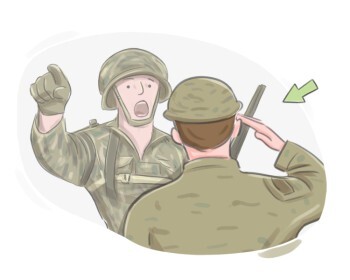
to act accordingly to someone or something's advice, commands, or instructions
követ
the way according to which something normally happens or is done
minta, modell
to gain weight, often in a short period of time
felszed, hízik
Próbáltam felszedni egy kis súlyt a foci szezonra.
to remove oneself from social interaction or avoid contact with others
visszavonul, elszigetelődik
used to express acceptance or resignation to the way things are, particularly when faced with an unpleasant or difficult situation

used to show one's confidence in dealing with another person's behavior and using it to their disadvantage
nem csak te tudod ezt, én is vissza tudom adni ugyanígy
Nem válaszolt az e-mailjeimre, úgyhogy azt gondoltam: jó, nem csak ő tudja ezt.
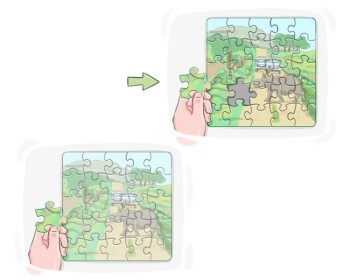
to a necessary amount
elég, elegendő
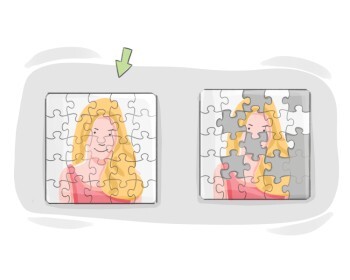
including every part, member, etc.
egész, teljes

used to refer to every number, part, amount of something or a particular group
minden, összes
Minden pénzét egy új telefonra költötte.
used to refer to every one of two or more people or things, when you are thinking about them separately
minden, mindegyik
a plentiful or abundant amount of something
sok, bőség
to a large extent
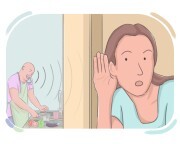
to a very small degree or extent
alig, szinte egyáltalán nem
Az utasítások alig voltak elég egyértelműek a követéshez.
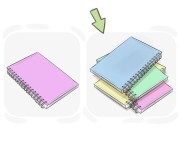
used to refer to a number of things or people, more than two but not many
több
A múzeum több festményt is kiállított a reneszánsz korszak híres művészeitől.
not any of the members of a group of people or things
egyik sem, semmi
used to say there is none of something
nincs, nincs olyan
Nem volt semmi szerencsénk a kulcsok megtalálásában.
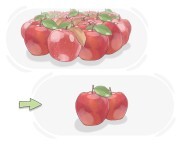
a small unspecified number of people or things
kevés, néhány
Néhány lépést tettem az ajtó felé.
a small unspecified number of people or things
kevés, néhány
Néhány lépést tettem az ajtó felé.
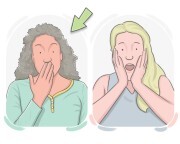
used to indicate a small or limited amount of something, often uncountable
egy kicsit, könnyedén
Kicsit éhesnek érzem magam a séta után.

used to indicate a small degree, amount, etc.
kevés, egy kevés
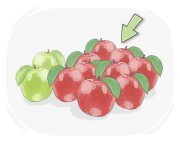
used to refer to the largest number or amount
a legtöbb, a nagyobbik rész
A csapat kivételesen jól teljesített, a legtöbb tag aktívan hozzájárult.
to become interested or enthusiastic about something, often to the point of obsession
someone or something that is irritating, troublesome, or causes inconvenience
![to [hit] {sb} like a ton of bricks](https://cdn.langeek.co/photo/45659/thumb/350?type=jpeg "to [hit] {sb} like a ton of bricks")
to experience the sudden, surprising, and overwhelming impact of something, that catches someone off guard and leaves them feeling stunned or overwhelmed
mellbe vágja, letaglóz
Amikor meglátta a kórházi számlát, teljesen mellbe vágta.
used to express relief that something has finally happened, after a long delay or period of waiting
at any convenient or available time, without the need for careful planning or scheduling
used to indicate satisfaction or approval with a change or improvement in a situation

used to express surprise, disbelief, or amazement about something that has just been said or observed
Képzeld csak!, Ez igen!
Következő hónapban ugyanabba a városba költözik, mint én, képzeld el !
a variety of unspecified things or situations
used to refer nostalgically to a past time or era, often implying that the time being referred to was a better or more enjoyable time
used to indicate that there is nothing more to say or do about a particular matter
used to say that unfortunate or unexpected events sometimes occur and that it is a natural part of life to experience them
used to describe a day that is particularly difficult or frustrating
used to say that difficult or challenging situations are a natural part of life and are meant to test our strength and resilience
to stop talking about or discussing something, especially when there is no need for further elaboration or action
used to ask for someone's opinion or reaction to a particular idea, proposal, or suggestion
used to encourage or praise someone for their positive attitude or determination in a difficult or challenging situation
to have an intuition or a premonition about something without any logical or rational explanation
to reach a conclusion or make a choice after careful consideration and evaluation of various options or possibilities
eljutni, döntésre jutni
A vitában érintett felek elértek egy megegyezést a bíróságon kívül.
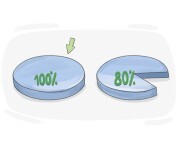
to an absolute or complete extent
teljesen, abszolút
Halál biztos vagyok benne, hogy ő vitte el a kulcsokat.
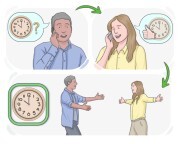
exactly at the specified time, neither late nor early
időben, pontosan
Rendszeresen tanult, hogy időben befejezze a tananyagot.
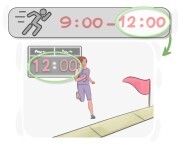
used to indicate that something should have happened or been done earlier
épp ideje volt, már rég időszerű volt
Épp ideje volt, hogy a cég megoldja ezt a problémát.
