pattern

책 Headway - 중상급 - 단위 12

여기에서는 Headway Upper Intermediate 교과서의 12과에서 "cushy", "digest", "apparent" 등의 어휘를 찾을 수 있습니다.

리뷰

플래시카드

형태

철자법

퀴즈

학습 시작
Headway - Upper Intermediate
to [take] time

to need a significant amount of time to be able to happen, be completed, or achieved
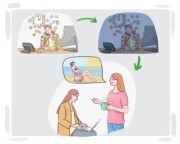
Ex: Recovery from an injury can take time and physical therapy. 
닫기
로그인
get a life
get a life
[문장]

used to tell someone to change their life style and start doing more exciting or important things

인생 좀 살아, 좀 의미 있는 일을 해

인생 좀 살아, 좀 의미 있는 일을 해

Ex: She told her brother to get a life after he spent the whole day complaining about her playlist. 

그녀는 하루 종일 자기 플레이리스트에 불평한 오빠에게 인생 좀 살라고 했다.
닫기
로그인
to [kill] (the|) time

to spend or use time in a way that does not achieve anything or have a particular goal

Ex: The flight was delayed, so passengers had extra time to kill at the airport. 
닫기
로그인
third time lucky
third time lucky
[감탄사]

used to express that after failing twice, one is bound to succeed on the third try

세 번째 lucky, 세번째 lucky

세 번째 lucky, 세번째 lucky

Ex: He tried to fix the car twice and failed, but third time lucky, it worked! 

그는 차를 두 번 고치려고 시도했고 실패했지만, 세 번째는 운이 좋았어, 성공했어!

닫기
로그인
no time to lose

used in a situation when there is only a little time to do something and one must be careful not to waste any of it
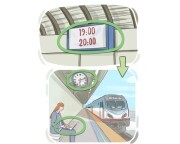
Ex: We have no time to lose, let's start working on the project immediately. 
닫기
로그인
cushy
cushy
[형용사]

involving minimal effort or hardship

쉬운, 편안한

쉬운, 편안한

Ex: The internship turned out to be more cushy than expected, with light responsibilities and a relaxed atmosphere. 

인턴십은 예상보다 더 편안했고, 가벼운 책임과 편안한 분위기였다.

닫기
로그인
to [come] to life

to become lively and energetic

활기를 띠다, 생기가 돌다

활기를 띠다, 생기가 돌다

Ex: The classroom came to life during the debate. 

토론 중에 교실은 활기를 띠었다.

닫기
로그인
to [bet] {one's} (life|boots|bottom dollar)

to express strongly and confidently that something is undoubtedly true or will certainly happen

확신하다, 분명하다고 믿다

확신하다, 분명하다고 믿다

Ex: I'd bet my boots that the package arrives tomorrow. 

그 소포가 내일 도착할 거라고 확신해.

닫기
로그인
better luck next time

used to encourage someone who has just missed an opportunity or failed to succeed in a particular field

다음 번엔 더 좋은 운이, 다음 번엔 더 행운을

다음 번엔 더 좋은 운이, 다음 번엔 더 행운을

Ex: Better luck next time—you'll get it on the next try! 

다음 번에는 더 나은 운이—다음 시도에는 성공할 거예요!

닫기
로그인
new lease of life

another chance for someone to become more healthy, energetic, or adopting a more optimistic view on life
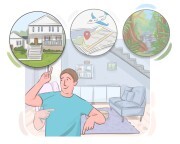
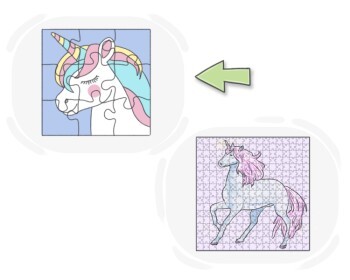
Ex: A healthy diet has given my grandmother a new lease of life; she’s much more active now. 
닫기
로그인
for the time being

for a limited period, usually until a certain condition changes

당분간, 일단은

당분간, 일단은

Ex: We'll use this office for the time being until our new space is ready. 

새 공간이 준비될 때까지 이 사무실을 당분간 사용할 것입니다.

닫기
로그인
to [stand] the test of time

to remain strong, valuable, or effective over a long period, despite changes or challenges
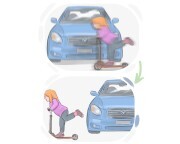
Ex: Their friendship has stood the test of time, growing stronger over the years. 
닫기
로그인
in the nick of time

just before it is too late

간신히 시간에 맞춰, 마지막 순간에

간신히 시간에 맞춰, 마지막 순간에

Ex: She submitted the application in the nick of time. 
닫기
로그인
to [do] (anything|) for a quiet life

to be willing to do whatever it takes to avoid trouble or conflict and have a peaceful and stress-free existence
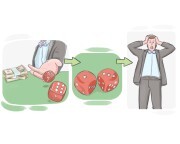
Ex: Sarah agreed to help her neighbor with the gardening, even though she had other plans, just to do for a quiet life. 
닫기
로그인
story of {one's} life

used to say that it is typical of a person to experience an unfortunate event

내 인생이 늘 그렇지, 내 팔자가 그렇지

내 인생이 늘 그렇지, 내 팔자가 그렇지

Ex: I got to the bakery just after they sold the last croissant.  Story of my life. 

빵집에 도착했더니 마지막 크루아상이 막 팔린 뒤였다. 내 인생이 늘 그렇지.

닫기
로그인
to [run] the risk of {sth}

to be in or to get oneself into a situation that may result in an unpleasant or dangerous outcome

위험을 감수하다, 나쁜 결과를 초래할 위험이 있다

위험을 감수하다, 나쁜 결과를 초래할 위험이 있다

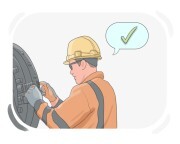
Ex: Anyone who speaks out against the gang runs the risk of retaliation. 

그 갱단에 맞서 발언하는 사람은 누구든 보복을 당할 위험을 감수하게 된다.
닫기
로그인
to carry out
to carry out
[동사]

to complete or conduct a task, job, etc.

수행하다, 과제나 일을 수행하다

수행하다, 과제나 일을 수행하다

Ex: The detective was assigned to carry out the investigation into the mysterious disappearance. 

그 탐정은 신비로운 실종 사건을 수행하라는 임무를 받았다.

닫기
로그인
research
research
[명사]

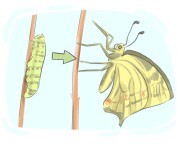
a careful and systematic study of a subject to discover new facts or information about it

연구
연구

Ex: The team conducted research on renewable energy. 
닫기
로그인
to become
to become
[동사]

to start or grow to be

되다,  되어 가다

되다, 되어 가다

Ex: She wants to become a doctor. 
닫기
로그인
apparent
apparent
[형용사]

easy to see or notice

분명한, 보이는

분명한, 보이는

Ex: It became apparent that they had no intention of finishing the project on time. 

그들이 프로젝트를 제시간에 완료할 의도가 없다는 것이 분명해졌다.

닫기
로그인
to [take] {sth} into account

to consider something when trying to make a judgment or decision

무엇을 고려하다, 무엇을 감안하다

무엇을 고려하다, 무엇을 감안하다

Ex: You should take the weather into account when planning the trip. 

여행을 계획할 때 날씨를 고려해야 한다.

닫기
로그인
to [get] {sth} going

to start or begin something, often with a sense of urgency or purpose
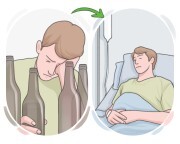
Ex: We should get the new marketing campaign going to increase sales. 
닫기
로그인
to suffer
to suffer
[동사]

to experience and be affected by something bad or unpleasant

고통을 겪다, 겪다
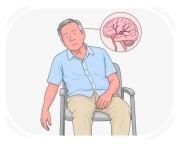
고통을 겪다, 겪다

Ex: The company suffered financial losses during the economic downturn. 
닫기
로그인
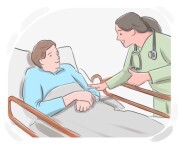
stroke
stroke
[명사]

a dangerous condition in which a person loses consciousness as a result of a blood vessel breaking open or becoming blocked in their brain, which could kill or paralyze a part of their body

뇌졸중, 중풍
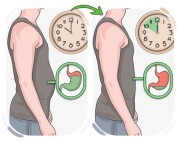
뇌졸중, 중풍

Ex: He was taken to the hospital after suffering a stroke. 
닫기
로그인
to digest
to digest
[동사]

to break down food in the body and to absorb its nutrients and necessary substances

소화하다, 흡수하다

소화하다, 흡수하다

Ex: It takes time for the stomach to digest complex carbohydrates. 

복잡한 탄수화물을 소화하는 데 위는 시간이 걸립니다.

닫기
로그인
to [break] the ice

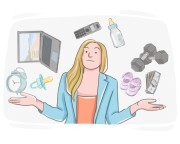
to make two or more strangers get comfortable with each other and engage in a conversation

어색함을 깨다, 분위기를 풀다

어색함을 깨다, 분위기를 풀다

Ex: Everyone was quiet at first, so Maya asked a light question to break the ice. 

처음에는 모두 조용해서 마야가 어색함을 깨려고 가벼운 질문을 던졌다.
닫기
로그인
to [stand] on {one's} own (two|) feet

to be able to take care of oneself without needing any assistance from others

혼자 힘으로 서다, 스스로 살아가다

혼자 힘으로 서다, 스스로 살아가다

Ex: It took him years to stand on his own feet after the divorce. 

이혼 후 그가 혼자 힘으로 서기까지 몇 년이 걸렸다.

닫기
로그인
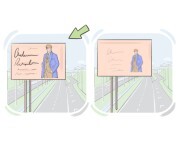
to grab
to grab
[동사]

to attract and hold someone's attention or interest

사로잡다, 끌다

사로잡다, 끌다

Ex: Daniel used an unusual image to grab people's interest. 
닫기
로그인
to [follow] {one's} nose

to follow one's intuition instead of rules or what others say

직감을 따르다, 촉을 믿다

직감을 따르다, 촉을 믿다

Ex: Good detectives know when to follow their nose instead of the manual. 

훌륭한 형사들은 매뉴얼 대신 직감을 따라야 할 때를 안다.

닫기
로그인
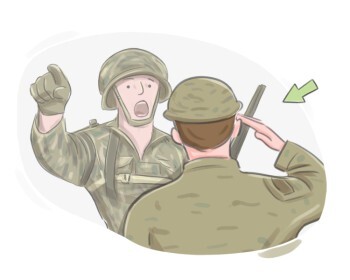
to follow
to follow
[동사]

to act accordingly to someone or something's advice, commands, or instructions

따르다

따르다

Ex: Please follow the instructions carefully. 
닫기
로그인
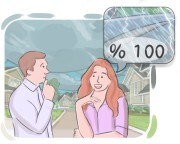
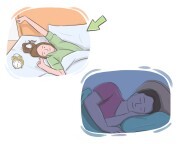
pattern
pattern
[명사]

the way according to which something normally happens or is done

패턴, 모형

패턴, 모형

Ex: His sleeping pattern changed after he started working nights. 
닫기
로그인
to put on
to put on
[동사]

to gain weight, often in a short period of time

늘리다, 살이 찌다

늘리다, 살이 찌다

Ex: After his trip to Italy, he put 10 pounds on from all the pasta. 

이탈리아 여행 후, 그는 모든 파스타 때문에 10파운드를 찌웠다.

닫기
로그인
awake
awake
[형용사]

not sleeping

깨어 있는,  잠들지 않은

깨어 있는, 잠들지 않은

Ex: Are the children still awake? 
닫기
로그인
to withdraw
to withdraw
[동사]

to remove oneself from social interaction or avoid contact with others

물러나다, 고립시키다

물러나다, 고립시키다

Ex: He tends to withdraw when he feels stressed. 
닫기
로그인
that is life (for you|)

used to express acceptance or resignation to the way things are, particularly when faced with an unpleasant or difficult situation

Ex: Sometimes life takes us on some strange journeys, the road full of twists and turns and not the direction we thought we were going...that's life for you. 
닫기
로그인
two (can|could) play (that|this|the) game

used to show one's confidence in dealing with another person's behavior and using it to their disadvantage

그건 너만 할 수 있는 게 아니다, 나도 똑같이 맞받아칠 수 있다

그건 너만 할 수 있는 게 아니다, 나도 똑같이 맞받아칠 수 있다

Ex: They tried to use the rules against us, but two can play that game. 

그들은 규칙을 우리에게 불리하게 이용하려 했지만 그건 그들만 할 수 있는 게 아니다.
닫기
로그인
enough
enough
[한정사]

to a necessary amount

충분한, 충분히

충분한, 충분히

Ex: His explanation was clear enough for everyone to understand. 
닫기
로그인
whole
whole
[형용사]

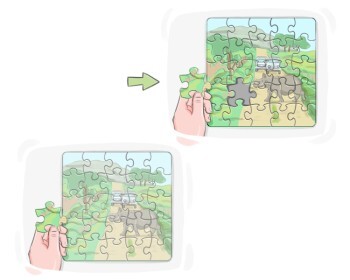
including every part, member, etc.

전체의, 완전한
전체의, 완전한

Ex: The whole group cheered for the winning team. 
닫기
로그인
all
all
[한정사]

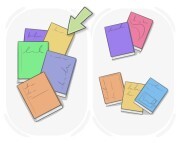
used to refer to every number, part, amount of something or a particular group

모든, 전체

모든, 전체

Ex: All the students passed the test. 

모든 학생들이 시험에 합격했습니다.

닫기
로그인
each
each
[한정사]

used to refer to every one of two or more people or things, when you are thinking about them separately

각각, 각자

각각, 각자

닫기
로그인
plenty
plenty
[대명사]

a plentiful or abundant amount of something

많이, 풍부한
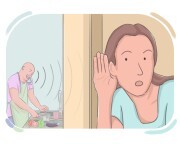
많이, 풍부한

Ex: We have plenty of time before the movie starts. 
닫기
로그인
a great deal

to a large extent

Ex: I learned a great deal during my internship. 
닫기
로그인
hardly
hardly
[부사]

to a very small degree or extent

거의 ~않다, 간신히

거의 ~않다, 간신히

Ex: There's hardly any milk left in the bottle. 

병에 우유가 거의 남아 있지 않습니다.

닫기
로그인
several
several
[한정사]

used to refer to a number of things or people, more than two but not many

여러

여러

Ex: Several friends joined us for dinner last night. 

어젯밤 여러 친구들이 우리와 함께 저녁을 먹었습니다.

닫기
로그인
none
none
[한정사]

not any of the members of a group of people or things

아무도, 아무것도

아무도, 아무것도

Ex: None of the students had completed the assignment on time. 
닫기
로그인
no
no
[한정사]

used to say there is none of something

없는, 아니다

없는, 아니다

Ex: He showed no interest in the topic. 

그는 그 주제에 전혀 관심을 보이지 않았다.

닫기
로그인
few
few
[한정사]

a small unspecified number of people or things

적은, 몇

적은, 몇

Ex: I've had a few ideas for the project. 

나는 프로젝트를 위해 몇 가지 아이디어를 가지고 있었다.

닫기
로그인
few
few
[한정사]

a small unspecified number of people or things

적은, 몇

적은, 몇

Ex: I've had a few ideas for the project. 

나는 프로젝트를 위해 몇 가지 아이디어를 가지고 있었다.

닫기
로그인
a little
a little
[부사]

used to indicate a small or limited amount of something, often uncountable

조금, 가볍게

조금, 가볍게

Ex: He knows a little about gardening. 

그는 정원 가꾸기에 대해 조금 알고 있습니다.

닫기
로그인
little
little
[한정사]

used to indicate a small degree, amount, etc.

조금, 약간
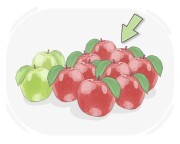
조금, 약간

Ex: There is little water left in the bottle. 
닫기
로그인
most
most
[한정사]

used to refer to the largest number or amount

대부분, 대다수

대부분, 대다수

Ex: Most students find this topic challenging. 

대부분의 학생들은 이 주제를 어렵게 느낀다.

닫기
로그인
to [get] the bug

to become interested or enthusiastic about something, often to the point of obsession

Ex: I've really got the bug for it! 
닫기
로그인
(such|what) a pain

someone or something that is irritating, troublesome, or causes inconvenience
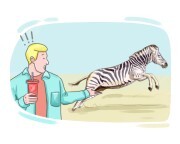
Ex: I can’t believe the printer is broken again—what a pain! 
닫기
로그인
to [hit] {sb} like a ton of bricks

to experience the sudden, surprising, and overwhelming impact of something, that catches someone off guard and leaves them feeling stunned or overwhelmed

큰 충격으로 다가오다, 뒤통수를 맞은 듯하다

큰 충격으로 다가오다, 뒤통수를 맞은 듯하다

Ex: The reality of losing the final hit him like a ton of bricks. 

결승에서 졌다는 현실은 그에게 큰 충격으로 다가왔다.

닫기
로그인
(and|) not before time (too|)

used to express relief that something has finally happened, after a long delay or period of waiting

Ex: They're finally going to change things, and not before time, too. 
닫기
로그인
any old time

at any convenient or available time, without the need for careful planning or scheduling

Ex: I’ll fix the car any old time, just bring it by when you’re ready. 
닫기
로그인
(that|this) [is] more like it

used to indicate satisfaction or approval with a change or improvement in a situation

Ex: That was more like it.  I could manage that. 
닫기
로그인
fancy that
fancy that
[감탄사]

used to express surprise, disbelief, or amazement about something that has just been said or observed

저것 좀 봐!, 믿을 수 없어!

저것 좀 봐!, 믿을 수 없어!

Ex: The dog actually learned how to fetch the newspaper, fancy that! 

개가 실제로 신문을 가져오는 법을 배웠어, 상상해 봐 !

닫기
로그인
this and that

a variety of unspecified things or situations

Ex: I don’t really have much to report, just this and that. 
닫기
로그인
those were the days

used to refer nostalgically to a past time or era, often implying that the time being referred to was a better or more enjoyable time

Ex: Those were the days when we didn't have to worry about anything but having fun. 
닫기
로그인
that is all {~noun}
that is all
[문장]

used to indicate that there is nothing more to say or do about a particular matter

Ex: That is all I have to report on the matter for now. 
닫기
로그인
these things happen

used to say that unfortunate or unexpected events sometimes occur and that it is a natural part of life to experience them

Ex: I forgot to bring the documents, but these things happen sometimes. 
닫기
로그인
to [be|have] one of those days

used to describe a day that is particularly difficult or frustrating

Ex: The car wouldn't start, I lost my glasses-it was one of those days. 
닫기
로그인
these things are sent to try us

used to say that difficult or challenging situations are a natural part of life and are meant to test our strength and resilience

Ex: These things are sent to try us, and sometimes we just need to be patient and wait for things to improve. 
닫기
로그인
to [leave] it at that

to stop talking about or discussing something, especially when there is no need for further elaboration or action

Ex: I’ll leave it at that; no need to get into more details. 
닫기
로그인
how does {sth} grab you?

used to ask for someone's opinion or reaction to a particular idea, proposal, or suggestion

Ex: How does the new proposal grab you?  Do you think it’s a good direction? 
닫기
로그인
that is the spirit

used to encourage or praise someone for their positive attitude or determination in a difficult or challenging situation

Ex: I knew you could do it!  That is the spirit, never give up. 
닫기
로그인
to [have] (a|the|this) feeling

to have an intuition or a premonition about something without any logical or rational explanation

Ex: She still questions everything and raises her voice when she has the feeling that things are going in the wrong direction. 
닫기
로그인
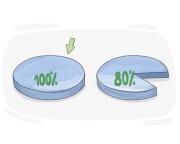
to come to
to come to
[동사]

to reach a conclusion or make a choice after careful consideration and evaluation of various options or possibilities

도달하다, 결론에 도달하다

도달하다, 결론에 도달하다

Ex: The team members had different opinions, but they eventually came to a consensus. 

팀 멤버들은 다른 의견을 가지고 있었지만, 결국 합의에 도달했습니다.
닫기
로그인
dead
dead
[부사]

to an absolute or complete extent

완전히, 절대적으로

완전히, 절대적으로

Ex: You're dead right, that's exactly what we need. 

당신은 완전히 맞아요, 그것이 바로 우리에게 필요한 것입니다.

닫기
로그인
on time
on time
[부사]

exactly at the specified time, neither late nor early

제시간에, 시간에 맞춰

제시간에, 시간에 맞춰

Ex: I need to wake up early to get to the station on time. 

나는 역에 제시간에 도착하기 위해 일찍 일어나야 합니다.

닫기
로그인
(about|high) time

used to indicate that something should have happened or been done earlier

이제야 때가 됐다, 진작 했어야 했다

이제야 때가 됐다, 진작 했어야 했다

Ex: About time someone told him the truth. 

이제 누군가 그에게 진실을 말할 때도 됐다.

닫기
로그인
LanGeek
LanGeek 앱 다운로드