pattern

Boek Headway - Upper Intermediate - Eenheid 12

Hier vind je de woordenschat van Unit 12 in het Headway Upper Intermediate cursusboek, zoals "cushy", "digest", "apparent", etc.

Herzien

Flashcards

vormen

Spelling

Quiz

Begin met leren
Headway - Upper Intermediate
to [take] time
to take time
[Zinsdeel]

to need a significant amount of time to be able to happen, be completed, or achieved
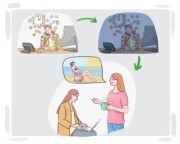
Ex: Recovery from an injury can take time and physical therapy. 
Sluiten
Inloggen
get a life

used to tell someone to change their life style and start doing more exciting or important things

ga eens leven, zoek iets beters te doen

ga eens leven, zoek iets beters te doen

Ex: She told her brother to get a life after he spent the whole day complaining about her playlist. 

Ze zei tegen haar broer dat hij eens moest gaan leven nadat hij de hele dag over haar afspeellijst had geklaagd.

Sluiten
Inloggen
to [kill] (the|) time

to spend or use time in a way that does not achieve anything or have a particular goal

Ex: The flight was delayed, so passengers had extra time to kill at the airport. 
Sluiten
Inloggen
third time lucky
third time lucky
[tussenwerpsel]

used to express that after failing twice, one is bound to succeed on the third try

Derde keer lucky, Driemaal is scheepsrecht

Derde keer lucky, Driemaal is scheepsrecht

Ex: He tried to fix the car twice and failed, but third time lucky, it worked! 

Hij probeerde de auto twee keer te repareren en faalde, maar derde keer sukses, het werkte!

Sluiten
Inloggen
no time to lose
no time to lose
[Zinsdeel]

used in a situation when there is only a little time to do something and one must be careful not to waste any of it
Ex: Tomorrow, there will be no time to be lost as we tackle the new challenges ahead. 
Sluiten
Inloggen
cushy
cushy
[bijvoeglijk naamwoord]

involving minimal effort or hardship

gemakkelijk, comfortabel

gemakkelijk, comfortabel

Ex: The internship turned out to be more cushy than expected, with light responsibilities and a relaxed atmosphere. 

De stage bleek makkelijker dan verwacht, met lichte verantwoordelijkheden en een ontspannen sfeer.

Sluiten
Inloggen
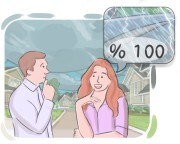
to [come] to life
to come to life
[Zinsdeel]

to become lively and energetic

tot leven komen, levendig worden

tot leven komen, levendig worden

Ex: The classroom came to life during the debate. 

Het klaslokaal kwam tot leven tijdens het debat.
Sluiten
Inloggen
to [bet] {one's} (life|boots|bottom dollar)

to express strongly and confidently that something is undoubtedly true or will certainly happen

er helemaal zeker van zijn, het zeker weten

er helemaal zeker van zijn, het zeker weten

Ex: I'd bet my boots that the package arrives tomorrow. 

Ik weet helemaal zeker dat het pakket morgen aankomt.

Sluiten
Inloggen
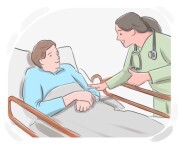
better luck next time
[tussenwerpsel]

used to encourage someone who has just missed an opportunity or failed to succeed in a particular field

Beter geluk de volgende keer, Meer geluk de volgende keer

Beter geluk de volgende keer, Meer geluk de volgende keer

Ex: Better luck next time—you'll get it on the next try! 

Beter geluk de volgende keer—je krijgt het de volgende keer!
Sluiten
Inloggen
new lease of life

another chance for someone to become more healthy, energetic, or adopting a more optimistic view on life
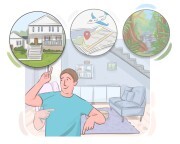
Ex: A healthy diet has given my grandmother a new lease of life; she’s much more active now. 
Sluiten
Inloggen
for the time being

for a limited period, usually until a certain condition changes

voorlopig, voor nu

voorlopig, voor nu

Ex: We'll use this office for the time being until our new space is ready. 

We zullen dit kantoor voorlopig gebruiken totdat onze nieuwe ruimte klaar is.

Sluiten
Inloggen
to [stand] the test of time

to remain strong, valuable, or effective over a long period, despite changes or challenges
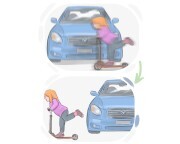
Ex: The story of Romeo and Juliet has stood the test of time as one of the most famous love tales. 
Sluiten
Inloggen
in the nick of time

just before it is too late

net op tijd, op het laatste moment

net op tijd, op het laatste moment

Ex: She submitted the application in the nick of time. 
Sluiten
Inloggen
to [do] (anything|) for a quiet life

to be willing to do whatever it takes to avoid trouble or conflict and have a peaceful and stress-free existence
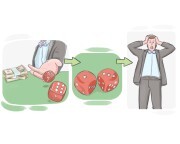
Ex: Sarah agreed to help her neighbor with the gardening, even though she had other plans, just to do for a quiet life. 
Sluiten
Inloggen
story of {one's} life

used to say that it is typical of a person to experience an unfortunate event

typisch mijn geluk, dat heb ik weer

typisch mijn geluk, dat heb ik weer

Ex: I got to the bakery just after they sold the last croissant.  Story of my life. 

Ik kwam bij de bakker net nadat ze de laatste croissant hadden verkocht. Typisch mijn geluk.

Sluiten
Inloggen
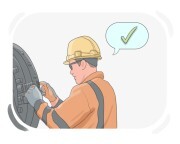
to [run] the risk of {sth}

to be in or to get oneself into a situation that may result in an unpleasant or dangerous outcome

het risico lopen op iets, zich blootstellen aan een risico

het risico lopen op iets, zich blootstellen aan een risico

Ex: Anyone who speaks out against the gang runs the risk of retaliation. 

Iedereen die zich tegen de bende uitspreekt, loopt het risico op vergelding.
Sluiten
Inloggen
to carry out
to carry out
[werkwoord]

to complete or conduct a task, job, etc.

uitvoeren, een taak of werk uitvoeren

uitvoeren, een taak of werk uitvoeren

Ex: The detective was assigned to carry out the investigation into the mysterious disappearance. 

De detective werd toegewezen om het onderzoek naar de mysterieuze verdwijning uit te voeren.

Sluiten
Inloggen
research
research
[zelfstandig naamwoord]

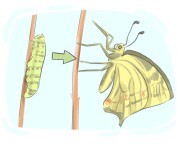
a careful and systematic study of a subject to discover new facts or information about it

onderzoek
onderzoek

Ex: The team's research on consumer behavior guided their marketing strategy for the new product. 
Sluiten
Inloggen
to become
to become
[werkwoord]

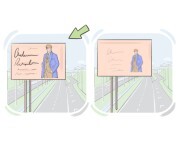
to start or grow to be

worden,  worden
worden, worden

Ex: The noise became unbearable during construction. 
Sluiten
Inloggen
apparent
apparent
[bijvoeglijk naamwoord]

easy to see or notice

duidelijk, zichtbaar

duidelijk, zichtbaar

Ex: The apparent damage to the car suggested it had been in an accident. 

De zichtbare schade aan de auto suggereerde dat het bij een ongeluk betrokken was.

Sluiten
Inloggen
to [take] {sth} into account

to consider something when trying to make a judgment or decision

ergens rekening mee houden, iets meenemen in de afweging

ergens rekening mee houden, iets meenemen in de afweging

Ex: You should take the weather into account when planning the trip. 

Je moet bij het plannen van de reis rekening houden met het weer.

Sluiten
Inloggen
to [get] {sth} going

to start or begin something, often with a sense of urgency or purpose
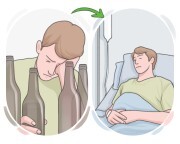
Ex: We should get the new marketing campaign going to increase sales. 
Sluiten
Inloggen
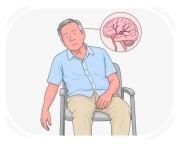
to suffer
to suffer
[werkwoord]

to experience and be affected by something bad or unpleasant

lijden, ondergaan
lijden, ondergaan

Ex: The company suffered financial losses during the economic downturn. 
Sluiten
Inloggen
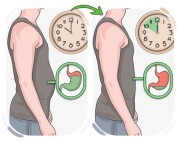
stroke
stroke
[zelfstandig naamwoord]

a dangerous condition in which a person loses consciousness as a result of a blood vessel breaking open or becoming blocked in their brain, which could kill or paralyze a part of their body

beroerte, herseninfarct
beroerte, herseninfarct

Ex: Common risk factors for stroke include high blood pressure, diabetes, high cholesterol, smoking, and obesity. 
Sluiten
Inloggen
to digest
to digest
[werkwoord]

to break down food in the body and to absorb its nutrients and necessary substances

verteren, opnemen

verteren, opnemen

Ex: Certain foods are easier to digest than others. 

Bepaalde voedingsmiddelen zijn gemakkelijker te verteren dan andere.

Sluiten
Inloggen
to [break] the ice

to make two or more strangers get comfortable with each other and engage in a conversation

het ijs breken, de sfeer losser maken

het ijs breken, de sfeer losser maken

Ex: Everyone was quiet at first, so Maya asked a light question to break the ice. 

In het begin was iedereen stil, dus stelde Maya een luchtige vraag om het ijs te breken.

Sluiten
Inloggen
to [stand] on {one's} own (two|) feet

to be able to take care of oneself without needing any assistance from others

op eigen benen staan, zelfstandig zijn

op eigen benen staan, zelfstandig zijn

Ex: It took him years to stand on his own feet after the divorce. 

Na de scheiding duurde het jaren voordat hij weer op eigen benen stond.

Sluiten
Inloggen
to grab
to grab
[werkwoord]

to attract and hold someone's attention or interest

grijpen, boeien

grijpen, boeien

Ex: Daniel used an unusual image to grab people's interest. 
Sluiten
Inloggen
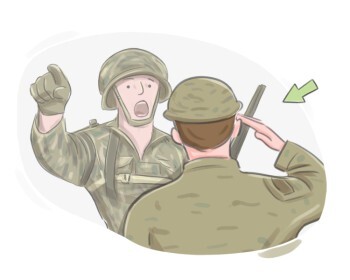
to [follow] {one's} nose

to follow one's intuition instead of rules or what others say

op je gevoel afgaan, je intuïtie volgen

op je gevoel afgaan, je intuïtie volgen

Ex: Good detectives know when to follow their nose instead of the manual. 

Goede rechercheurs weten wanneer ze op hun gevoel moeten afgaan in plaats van op het handboek.
Sluiten
Inloggen
to follow
to follow
[werkwoord]

to act accordingly to someone or something's advice, commands, or instructions

volgen

volgen

Ex: Follow the arrows on the floor to navigate through the museum. 
Sluiten
Inloggen
pattern
pattern
[zelfstandig naamwoord]

the way according to which something normally happens or is done

patroon, model

patroon, model

Ex: Detectives noticed a pattern in the burglaries occurring in the neighborhood. 
Sluiten
Inloggen
to put on
to put on
[werkwoord]

to gain weight, often in a short period of time

aankomen, dikker worden

aankomen, dikker worden

Ex: After his trip to Italy, he put 10 pounds on from all the pasta. 

Na zijn reis naar Italië is hij 10 pond aangekomen door al die pasta.
Sluiten
Inloggen
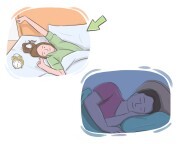
awake
awake
[bijvoeglijk naamwoord]

not sleeping

Ex: Are the children still awake? 
Sluiten
Inloggen
to withdraw
to withdraw
[werkwoord]

to remove oneself from social interaction or avoid contact with others

zich terugtrekken, zich isoleren

zich terugtrekken, zich isoleren

Ex: Feeling socially awkward, he withdrew from the conversation and focused on his phone instead. 
Sluiten
Inloggen
that is life (for you|)

used to express acceptance or resignation to the way things are, particularly when faced with an unpleasant or difficult situation

Ex: Sometimes life takes us on some strange journeys, the road full of twists and turns and not the direction we thought we were going...that's life for you. 
Sluiten
Inloggen
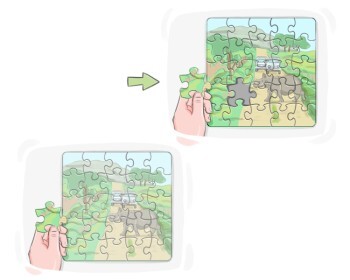
two (can|could) play (that|this|the) game

used to show one's confidence in dealing with another person's behavior and using it to their disadvantage

jij bent niet de enige die dat kan, ik kan hetzelfde terugdoen

jij bent niet de enige die dat kan, ik kan hetzelfde terugdoen

Ex: They tried to use the rules against us, but two can play that game. 

Ze probeerden de regels tegen ons te gebruiken, maar zij zijn niet de enigen die dat kunnen.
Sluiten
Inloggen
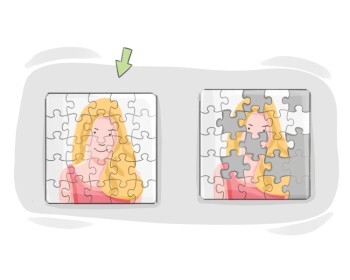
enough
enough
[Determinator]

to a necessary amount

genoeg, voldoende
genoeg, voldoende

Ex: His explanation was clear enough for everyone to understand. 
Sluiten
Inloggen
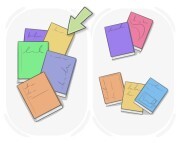
whole
whole
[bijvoeglijk naamwoord]

including every part, member, etc.

geheel, volledig
geheel, volledig

Ex: She read the whole book in one sitting. 
Sluiten
Inloggen
all
all
[Determinator]

used to refer to every number, part, amount of something or a particular group

alle, elk

alle, elk

Ex: All the students passed the test. 

Alle studenten zijn geslaagd voor de test.

Sluiten
Inloggen
each
each
[Determinator]

used to refer to every one of two or more people or things, when you are thinking about them separately

elk, ieder

elk, ieder

Sluiten
Inloggen
plenty
plenty
[Voornaamwoord]

a plentiful or abundant amount of something

veel, overvloed
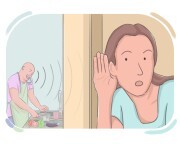
veel, overvloed

Ex: The holiday sale provided plenty of discounts on various products. 
Sluiten
Inloggen
a great deal
a great deal
[Zinsdeel]

to a large extent

Ex: I learned a great deal during my internship. 
Sluiten
Inloggen
hardly
hardly
[bijwoord]

to a very small degree or extent

nauwelijks, amper

nauwelijks, amper

Ex: There's hardly any milk left in the bottle. 

Er is amper nog melk in de fles.

Sluiten
Inloggen
several
several
[Determinator]

used to refer to a number of things or people, more than two but not many

verschillende

verschillende

Ex: The museum displayed several paintings by famous artists from the Renaissance period. 

Het museum toonde enkele schilderijen van beroemde kunstenaars uit de Renaissance.

Sluiten
Inloggen
none
none
[Determinator]

not any of the members of a group of people or things

geen, niemand

geen, niemand

Ex: None of the applicants met the qualifications for the job, so the position remained vacant. 
Sluiten
Inloggen
no
no
[Determinator]

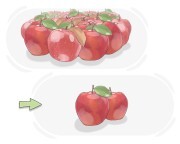
used to say there is none of something

geen, er is geen

geen, er is geen

Ex: He showed no interest in the topic. 

Hij toonde geen interesse in het onderwerp.
Sluiten
Inloggen
few
few
[Determinator]

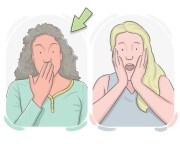
a small unspecified number of people or things

weinig, enkele

weinig, enkele

Ex: I've had a few ideas for the project. 

Ik heb een paar ideeën gehad voor het project.
Sluiten
Inloggen
few
few
[Determinator]

a small unspecified number of people or things

weinig, enkele

weinig, enkele

Ex: I've had a few ideas for the project. 

Ik heb een paar ideeën gehad voor het project.

Sluiten
Inloggen
a little
a little
[bijwoord]

used to indicate a small or limited amount of something, often uncountable

een beetje, lichtjes

een beetje, lichtjes

Ex: He knows a little about gardening. 

Hij weet een beetje over tuinieren.

Sluiten
Inloggen
little
little
[Determinator]

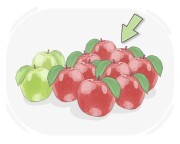
used to indicate a small degree, amount, etc.

weinig, een beetje
weinig, een beetje

Ex: We have little information about the incident. 
Sluiten
Inloggen
most
most
[Determinator]

used to refer to the largest number or amount

de meeste, het grootste deel

de meeste, het grootste deel

Ex: Most students find this topic challenging. 

De meeste studenten vinden dit onderwerp uitdagend.

Sluiten
Inloggen
to [get] the bug
to get the bug
[Zinsdeel]

to become interested or enthusiastic about something, often to the point of obsession

Ex: I've really got the bug for it! 
Sluiten
Inloggen
(such|what) a pain
such a pain
[Zinsdeel]

someone or something that is irritating, troublesome, or causes inconvenience
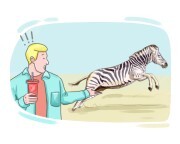
Ex: I can’t believe the printer is broken again—what a pain! 
Sluiten
Inloggen
to [hit] {sb} like a ton of bricks

to experience the sudden, surprising, and overwhelming impact of something, that catches someone off guard and leaves them feeling stunned or overwhelmed

hard aankomen, als een klap aankomen

hard aankomen, als een klap aankomen

Ex: The reality of losing the final hit him like a ton of bricks. 

Het besef dat hij de finale had verloren kwam hard aan.

Sluiten
Inloggen
(and|) not before time (too|)

used to express relief that something has finally happened, after a long delay or period of waiting

Ex: They're finally going to change things, and not before time, too. 
Sluiten
Inloggen
any old time
any old time
[Zinsdeel]

at any convenient or available time, without the need for careful planning or scheduling

Ex: I’ll fix the car any old time, just bring it by when you’re ready. 
Sluiten
Inloggen
(that|this) [is] more like it

used to indicate satisfaction or approval with a change or improvement in a situation

Ex: That was more like it.  I could manage that. 
Sluiten
Inloggen
fancy that
fancy that
[tussenwerpsel]

used to express surprise, disbelief, or amazement about something that has just been said or observed

Stel je voor!, Dat meen je niet!

Stel je voor!, Dat meen je niet!

Ex: The dog actually learned how to fetch the newspaper, fancy that! 

De hond heeft echt geleerd de krant te halen, stel je voor !

Sluiten
Inloggen
this and that
this and that
[Zinsdeel]

a variety of unspecified things or situations

Ex: I don’t really have much to report, just this and that. 
Sluiten
Inloggen
those were the days

used to refer nostalgically to a past time or era, often implying that the time being referred to was a better or more enjoyable time

Ex: Those were the days when we didn't have to worry about anything but having fun. 
Sluiten
Inloggen
that is all {~noun}

used to indicate that there is nothing more to say or do about a particular matter

Ex: That is all I have to report on the matter for now. 
Sluiten
Inloggen
these things happen

used to say that unfortunate or unexpected events sometimes occur and that it is a natural part of life to experience them

Ex: I forgot to bring the documents, but these things happen sometimes. 
Sluiten
Inloggen
to [be|have] one of those days

used to describe a day that is particularly difficult or frustrating

Ex: The car wouldn't start, I lost my glasses-it was one of those days. 
Sluiten
Inloggen
these things are sent to try us

used to say that difficult or challenging situations are a natural part of life and are meant to test our strength and resilience

Ex: These things are sent to try us, and sometimes we just need to be patient and wait for things to improve. 
Sluiten
Inloggen
to [leave] it at that

to stop talking about or discussing something, especially when there is no need for further elaboration or action

Ex: I’ll leave it at that; no need to get into more details. 
Sluiten
Inloggen
how does {sth} grab you?

used to ask for someone's opinion or reaction to a particular idea, proposal, or suggestion

Ex: How does the new proposal grab you?  Do you think it’s a good direction? 
Sluiten
Inloggen
that is the spirit

used to encourage or praise someone for their positive attitude or determination in a difficult or challenging situation

Ex: I knew you could do it!  That is the spirit, never give up. 
Sluiten
Inloggen
to [have] (a|the|this) feeling

to have an intuition or a premonition about something without any logical or rational explanation

Ex: She still questions everything and raises her voice when she has the feeling that things are going in the wrong direction. 
Sluiten
Inloggen
to come to
to come to
[werkwoord]

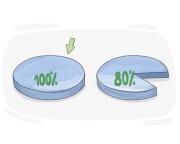
to reach a conclusion or make a choice after careful consideration and evaluation of various options or possibilities

komen tot, besluiten tot

komen tot, besluiten tot

Ex: The team members had different opinions, but they eventually came to a consensus. 

De teamleden hadden verschillende meningen, maar kwamen uiteindelijk tot een consensus.
Sluiten
Inloggen
dead
dead
[bijwoord]

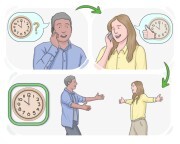
to an absolute or complete extent

volledig, absoluut

volledig, absoluut

Ex: You're dead right, that's exactly what we need. 

Je hebt helemaal gelijk, dat is precies wat we nodig hebben.
Sluiten
Inloggen
on time
on time
[bijwoord]

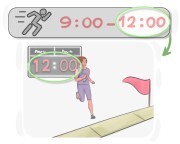
exactly at the specified time, neither late nor early

op tijd, stipt

op tijd, stipt

Ex: I need to wake up early to get to the station on time. 

Ik moet vroeg opstaan om op tijd bij het station aan te komen.
Sluiten
Inloggen
(about|high) time
about time
[Zinsdeel]

used to indicate that something should have happened or been done earlier

het werd tijd, hoog tijd

het werd tijd, hoog tijd

Ex: About time someone told him the truth. 

Het werd tijd dat iemand hem de waarheid vertelde.

Sluiten
Inloggen
LanGeek
LanGeek app downloaden