
Książka Headway - Średnio zaawansowany wyższy - Jednostka 12
Tutaj znajdziesz słownictwo z Unit 12 w podręczniku Headway Upper Intermediate, takie jak "cushy", "digest", "apparent" itp.
Przegląd
Fiszki
formy
Pisownia
Test

![to [take] time](/assets/img/no-pic-700w.png "to [take] time")
to need a significant amount of time to be able to happen, be completed, or achieved
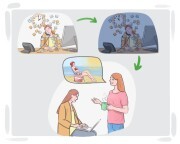
used to tell someone to change their life style and start doing more exciting or important things

zajmij się swoim życiem, znajdź sobie coś sensownego
Od sześciu godzin odświeżasz stronę z biletami; zajmij się swoim życiem.
![to [kill] (the|) time](https://cdn.langeek.co/photo/44152/thumb/350?type=jpeg "to [kill] (the|) time")
to spend or use time in a way that does not achieve anything or have a particular goal
used to express that after failing twice, one is bound to succeed on the third try
Trzeci raz lucky, Do trzech razy sztuka
Już dwa razy zawiodłem, ale do trzech razy sztuka, jestem pewien, że zdam ten test!
used in a situation when there is only a little time to do something and one must be careful not to waste any of it
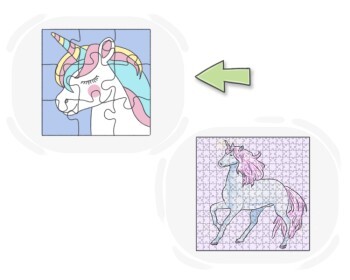
involving minimal effort or hardship
łatwy, wygodny
Jego łatwe zadanie pozwoliło mu pracować z domu i ustalać własny harmonogram.
to become lively and energetic
ożyć, nabrać życia
Targ ożywa w każdą sobotę rano.
![to [bet] {one's} (life|boots|bottom dollar)](https://cdn.langeek.co/photo/46670/thumb/350?type=jpeg "to [bet] {one's} (life|boots|bottom dollar)")
to express strongly and confidently that something is undoubtedly true or will certainly happen
być całkowicie pewnym, mieć całkowitą pewność
Zaprzeczy wszystkiemu, jestem tego całkowicie pewien.
used to encourage someone who has just missed an opportunity or failed to succeed in a particular field
Więcej szczęścia następnym razem, Lepiej następnym razem
Nie poszło zgodnie z planem, ale pamiętaj, następnym razem więcej szczęścia.
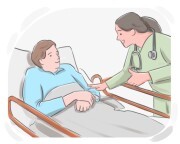
another chance for someone to become more healthy, energetic, or adopting a more optimistic view on life
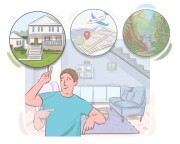
for a limited period, usually until a certain condition changes
na razie, chwilowo
Zajmę się tym zadaniem na razie, ale powinniśmy omówić bardziej stałe rozwiązanie.
to remain strong, valuable, or effective over a long period, despite changes or challenges
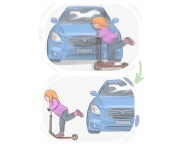
just before it is too late
to be willing to do whatever it takes to avoid trouble or conflict and have a peaceful and stress-free existence
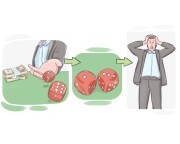
used to say that it is typical of a person to experience an unfortunate event
całe moje życie, typowy mój pech
Za każdym razem, gdy zaczynam oszczędzać, coś się psuje. Całe moje życie.
to be in or to get oneself into a situation that may result in an unpleasant or dangerous outcome
narażać się na coś, wystawiać się na ryzyko
Jeśli znów zetniemy budżet, narażamy się na utratę doświadczonych pracowników.
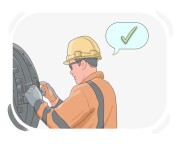
to complete or conduct a task, job, etc.
przeprowadzać, wykonywać
Technik przeprowadzi rutynową konserwację maszyn, aby zapobiec potencjalnym problemom.

a careful and systematic study of a subject to discover new facts or information about it
badania
Mark spędził godziny w bibliotece, prowadząc badania do swojej pracy z historii.
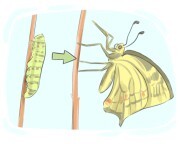
to start or grow to be
stać się, zostać
Szkoli się, aby zostać pilotem w szkole lotniczej.
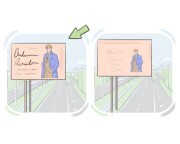
easy to see or notice
oczywisty, widoczny
Jego widoczne zdenerwowanie było widoczne w jego języku ciała.
![to [take] {sth} into account](https://cdn.langeek.co/photo/42092/thumb/350?type=jpeg "to [take] {sth} into account")
to consider something when trying to make a judgment or decision
wziąć coś pod uwagę, uwzględnić coś
Jej doświadczenie powinno zostać uwzględnione, nawet jeśli nie ma formalnych kwalifikacji.
to start or begin something, often with a sense of urgency or purpose
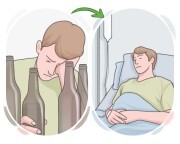
to experience and be affected by something bad or unpleasant
cierpieć, znosić
Firma poniosła straty finansowe podczas spowolnienia gospodarczego.
a dangerous condition in which a person loses consciousness as a result of a blood vessel breaking open or becoming blocked in their brain, which could kill or paralyze a part of their body
udar, wylew
Terapia rehabilitacyjna jest często konieczna, aby pomóc osobom po udarze odzyskać utracone umiejętności i poprawić jakość ich życia.
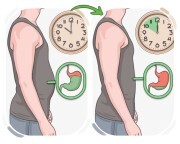
to break down food in the body and to absorb its nutrients and necessary substances
trawić, przyswajać
Niektóre pokarmy są łatwiejsze do strawienia niż inne.
to make two or more strangers get comfortable with each other and engage in a conversation
przełamać lody, rozluźnić atmosferę
Krótka luźna rozmowa może pomóc przełamać lody między nowymi współpracownikami.
![to [stand] on {one's} own (two|) feet](https://cdn.langeek.co/photo/41700/thumb/350?type=jpeg "to [stand] on {one's} own (two|) feet")
to be able to take care of oneself without needing any assistance from others
stanąć na własnych nogach, być samodzielnym
Przestań rozwiązywać za niego każdy problem; musi stanąć na własnych nogach.
to attract or hold someone's attention or interest
przyciągać, zajmować
Chwytliwa melodia i zaraźliwy rytm piosenki przyciągnęły słuchaczy i sprawiły, że stała się natychmiastowym hitem.
![to [follow] {one's} nose](https://cdn.langeek.co/photo/45994/thumb/350?type=jpeg "to [follow] {one's} nose")
to follow one's intuition instead of rules or what others say
kierować się intuicją, zaufać przeczuciu
Zignorował rady wszystkich i poszedł za intuicją w stronę dziennikarstwa.
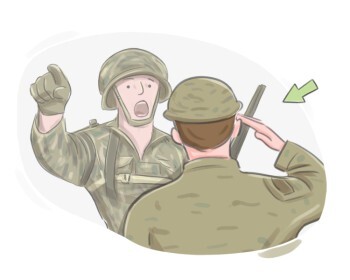
to act accordingly to someone or something's advice, commands, or instructions
postępować zgodnie
Ona postępowała zgodnie z radą swojego lekarza i poprawiła swoje zdrowie.
the way according to which something normally happens or is done
wzór, schemat
Wzór pogody w tym regionie zazwyczaj obejmuje pory deszczowe, po których następują okresy suche.
to gain weight, often in a short period of time
przybrać, przytyć
Łatwo jest mi przybrać na wadze, jeśli nie ćwiczę regularnie.
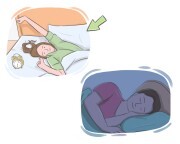
not in a state of sleep or unconsciousness
obudzony, czujny
Pies pozostał czujny, aby pilnować domu.
to remove oneself from social interaction or avoid contact with others
wycofać się, izolować się
Po długim tygodniu pracy z niecierpliwością czekała na wycofanie się do swojego mieszkania na bardzo potrzebny odpoczynek.
used to express acceptance or resignation to the way things are, particularly when faced with an unpleasant or difficult situation

used to show one's confidence in dealing with another person's behavior and using it to their disadvantage
nie tylko ty tak umiesz, ja też mogę odpowiedzieć tak samo
Jeśli chcesz być małostkowy, nie tylko ty tak umiesz.
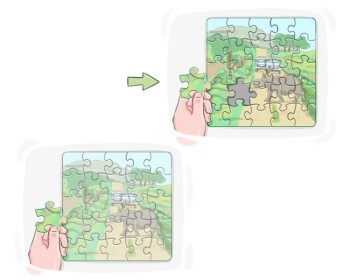
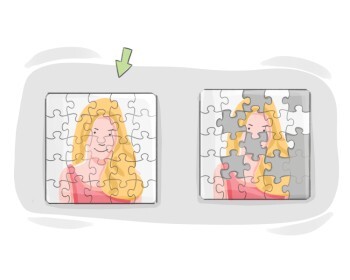
including every part, member, etc.
cały, pełny
Przeczytali całą historię na głos w klasie.
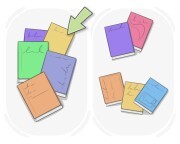
used to refer to every number, part, amount of something or a particular group
wszystkie, cały
Poświęcił cały swój czas na naukę do egzaminu.
used to refer to every one of two or more people or things, when you are thinking about them separately
każdy, każda
a plentiful or abundant amount of something
dużo, obfitość
Jest wiele powodów, aby odwiedzić park narodowy, w tym piękne krajobrazy i szlaki turystyczne.
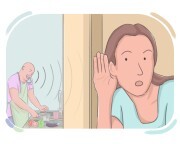
to a very small degree or extent
ledwie, prawie nie
Problem ledwie został poruszony na początkowych etapach dyskusji.
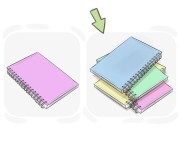
used to refer to a number of things or people, more than two but not many
kilka
Muzeum wystawiło kilka obrazów słynnych artystów z okresu renesansu.
not any of the members of a group of people or things
żaden, żadna
Mimo przeszukania całej kolekcji, żadna z książek na półce go nie zainteresowała.
used to say there is none of something
żaden, nie ma
Przepis nie wymaga żadnego cukru.
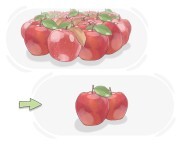
a small unspecified number of people or things
nieliczni, kilka
W koszyku zostało kilka jabłek.
a small unspecified number of people or things
nieliczni, kilka
W koszyku zostało kilka jabłek.
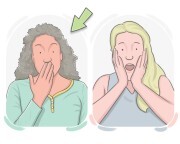
used to indicate a small or limited amount of something, often uncountable
trochę, lekko
W pokoju jest dziś trochę zimno.
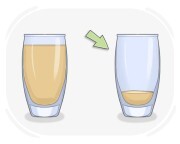
used to indicate a small degree, amount, etc.
mało, trochę
Mam mało czasu na ukończenie projektu.
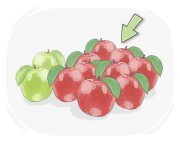
used to refer to the largest number or amount
większość, większa część
W ankiecie większość uczestników wyraziła zadowolenie z produktu.
to become interested or enthusiastic about something, often to the point of obsession
someone or something that is irritating, troublesome, or causes inconvenience
![to [hit] {sb} like a ton of bricks](https://cdn.langeek.co/photo/45659/thumb/350?type=jpeg "to [hit] {sb} like a ton of bricks")
to experience the sudden, surprising, and overwhelming impact of something, that catches someone off guard and leaves them feeling stunned or overwhelmed
uderzyć jak grom, zwalić z nóg
Myśl, że mogę już nigdy nie zobaczyć tego miejsca, uderzyła mnie jak grom.
used to express relief that something has finally happened, after a long delay or period of waiting
at any convenient or available time, without the need for careful planning or scheduling
used to indicate satisfaction or approval with a change or improvement in a situation

used to express surprise, disbelief, or amazement about something that has just been said or observed
Wyobraź to sobie!, No proszę!
To on znalazł rozwiązanie? Wyobraź sobie, nie zgadłbym.
a variety of unspecified things or situations
used to refer nostalgically to a past time or era, often implying that the time being referred to was a better or more enjoyable time
used to indicate that there is nothing more to say or do about a particular matter
used to say that unfortunate or unexpected events sometimes occur and that it is a natural part of life to experience them
used to describe a day that is particularly difficult or frustrating
used to say that difficult or challenging situations are a natural part of life and are meant to test our strength and resilience
to stop talking about or discussing something, especially when there is no need for further elaboration or action
used to ask for someone's opinion or reaction to a particular idea, proposal, or suggestion
used to encourage or praise someone for their positive attitude or determination in a difficult or challenging situation
to have an intuition or a premonition about something without any logical or rational explanation
to reach a conclusion or make a choice after careful consideration and evaluation of various options or possibilities
dojść do, zdecydować się na
Zarząd zebrał się, aby omówić propozycję i doszedł do rezolucji.
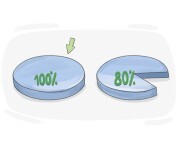
to an absolute or complete extent
całkowicie, absolutnie
Był całkowicie przeciwny temu pomysłowi od samego początku.
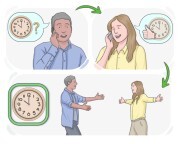
exactly at the specified time, neither late nor early
na czas, punktualnie
Pociąg przyjechał na czas na stację.
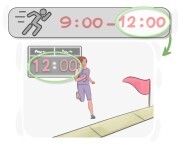
used to indicate that something should have happened or been done earlier
najwyższy czas, już dawno powinno
Najwyższy czas, żebyśmy przestali udawać, że wszystko jest w porządku.
