
Aklat Headway - Itaas na Intermediate - Yunit 12
Dito mo makikita ang bokabularyo mula sa Unit 12 sa Headway Upper Intermediate coursebook, tulad ng "cushy", "digest", "apparent", atbp.
Repasuhin
Flashcards
mga anyo
Pagbaybay
Pagsusulit

![to [take] time](/assets/img/no-pic-700w.png "to [take] time")
to need a significant amount of time to be able to happen, be completed, or achieved
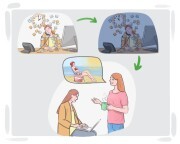
used to tell someone to change their life style and start doing more exciting or important things

maghanap ka ng mas makabuluhang gawin, ayusin mo naman buhay mo
Tigilan mo na ang pagbabantay sa posts ng ex mo at maghanap ka ng mas makabuluhang gawin.
![to [kill] (the|) time](https://cdn.langeek.co/photo/44152/thumb/350?type=jpeg "to [kill] (the|) time")
to spend or use time in a way that does not achieve anything or have a particular goal
used to express that after failing twice, one is bound to succeed on the third try
Pangatlong beses lucky, Third time's a charm
Pangatlong beses swerte—makukuha ko ang trabahong ito sa aking pangatlong interbyu!
used in a situation when there is only a little time to do something and one must be careful not to waste any of it
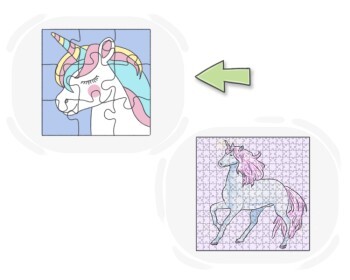
involving minimal effort or hardship
madali, komportable
Nasiyahan siya sa kanyang madaling trabaho, na nangangailangan ng kaunting oras at nag-aalok ng malaking sahod.
to become lively and energetic
sumigla, maging masigla
Sumisigla ang bayan pagkatapos ng paglubog ng araw.
![to [bet] {one's} (life|boots|bottom dollar)](https://cdn.langeek.co/photo/46670/thumb/350?type=jpeg "to [bet] {one's} (life|boots|bottom dollar)")
to express strongly and confidently that something is undoubtedly true or will certainly happen
siguradong-sigurado, tiyak na tiyak
Siguradong-sigurado akong alam na niya ang plano bago ang meeting.
used to encourage someone who has just missed an opportunity or failed to succeed in a particular field
Mas swerte sa susunod, Better luck next time
Iyon ay isang matinding dagok, ngunit mas mabuting suwerte sa susunod.
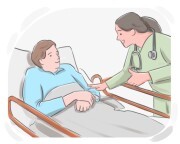
another chance for someone to become more healthy, energetic, or adopting a more optimistic view on life

for a limited period, usually until a certain condition changes
sa ngayon, pansamantala
Sa ngayon, nakatuon ako sa aking pag-aaral bago magdesisyon sa aking career path.
to remain strong, valuable, or effective over a long period, despite changes or challenges
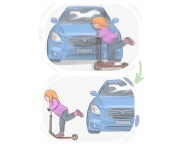
just before it is too late
sa oras, sa huling sandali
to be willing to do whatever it takes to avoid trouble or conflict and have a peaceful and stress-free existence
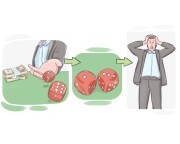
used to say that it is typical of a person to experience an unfortunate event
ganyan talaga ang buhay ko, ganyan ang swerte ko
Sa wakas nakahanap ako ng parking, tapos sira pala ang metro. Ganyan talaga ang buhay ko.
to be in or to get oneself into a situation that may result in an unpleasant or dangerous outcome
malagay sa panganib ng isang bagay, manganib na mauwi sa masama
Kung babalewalain mo ang mga babala, malalagay ka sa panganib ng malubhang pinsala.

to complete or conduct a task, job, etc.
isagawa, gawin ang isang gawain o trabaho
Ang pangkat ng pananaliksik ay magsasagawa ng mga eksperimento upang subukan ang hypothesis at mangolekta ng data.

a careful and systematic study of a subject to discover new facts or information about it
pananaliksik
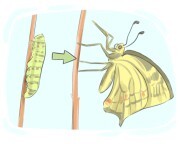
to start or grow to be
maging, maging

easy to see or notice
halata, nakikita
Ang halatang pinsala sa kotse ay nagmumungkahi na ito ay nasa isang aksidente.
![to [take] {sth} into account](https://cdn.langeek.co/photo/42092/thumb/350?type=jpeg "to [take] {sth} into account")
to consider something when trying to make a judgment or decision
isaalang-alang ang isang bagay, isama sa pag-iisip ang isang bagay
Kailangan nating isaalang-alang ang dagdag na gastos bago aprubahan ang proyekto.
to start or begin something, often with a sense of urgency or purpose

to experience and be affected by something bad or unpleasant
magdusa, danasin
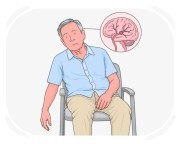
a dangerous condition in which a person loses consciousness as a result of a blood vessel breaking open or becoming blocked in their brain, which could kill or paralyze a part of their body
istrok, atake sa utak
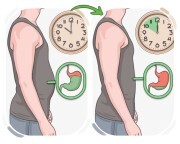
to break down food in the body and to absorb its nutrients and necessary substances
tunawin, sumipsip
Ang ilang mga pagkain ay mas madaling tunawin kaysa sa iba.
to make two or more strangers get comfortable with each other and engage in a conversation
basagin ang hiya, paluwagin ang usapan
Nagkuwento siya ng nakakatawa para mawala ang hiya bago magsimula ang meeting.
![to [stand] on {one's} own (two|) feet](https://cdn.langeek.co/photo/41700/thumb/350?type=jpeg "to [stand] on {one's} own (two|) feet")
to be able to take care of oneself without needing any assistance from others
tumayo sa sariling paa, kayang mabuhay nang mag-isa
Pagkatapos ng kolehiyo, natuto na rin siyang tumayo sa sariling paa.
to attract and hold someone's attention or interest
makuha, hatakin
![to [follow] {one's} nose](https://cdn.langeek.co/photo/45994/thumb/350?type=jpeg "to [follow] {one's} nose")
to follow one's intuition instead of rules or what others say
sumunod sa kutob, magtiwala sa sariling pakiramdam
Hindi ko binasa ang reviews; sumunod lang ako sa kutob ko at pinili ang mas maliit na restaurant.
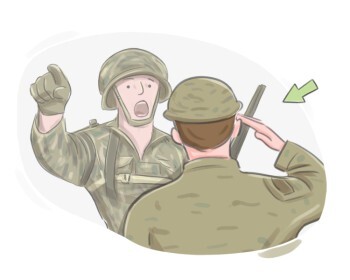
to act accordingly to someone or something's advice, commands, or instructions
sundin
the way according to which something normally happens or is done
padron, hulwaran
to gain weight, often in a short period of time
magdagdag ng timbang, tumaba
Siya ay nagdagdag ng ilang pounds mula noong bakasyon.

to remove oneself from social interaction or avoid contact with others
umurong, mag-isa
used to express acceptance or resignation to the way things are, particularly when faced with an unpleasant or difficult situation

used to show one's confidence in dealing with another person's behavior and using it to their disadvantage
hindi lang ikaw ang marunong niyan, kaya ko ring gumanti sa parehong paraan
Kung magsisimula siyang maglabas ng mga kuwento, hindi lang siya ang marunong niyan.
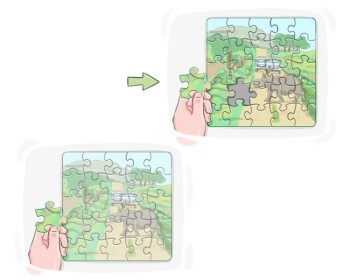
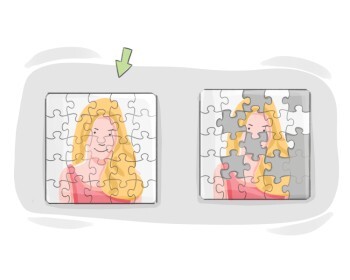
including every part, member, etc.
buo, kumpleto
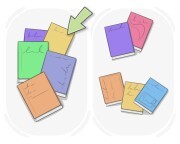
used to refer to every number, part, amount of something or a particular group
lahat, bawat
Lahat ng mga libro sa istanteng ito ay sa akin.
used to refer to every one of two or more people or things, when you are thinking about them separately
bawat, bawat isa
a plentiful or abundant amount of something
marami, sapat
to a large extent

to a very small degree or extent
bahagya, halos hindi
Halos hindi niya siya kilala, ngunit pumayag siyang tumulong.
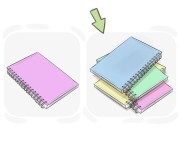
used to refer to a number of things or people, more than two but not many
ilang
Ang museo ay nagtanghal ng ilang mga pintura ng mga sikat na artista mula sa panahon ng Renaissance.
not any of the members of a group of people or things
wala, walang
used to say there is none of something
walang, hindi
Walang dahilan para matakot.
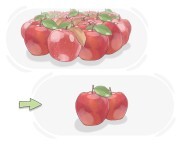
a small unspecified number of people or things
kaunti, ilan
Kakaunti ang nakakaunawa sa kumplikado ng isyung ito.
a small unspecified number of people or things
kaunti, ilan
Kakaunti ang nakakaunawa sa kumplikado ng isyung ito.

used to indicate a small or limited amount of something, often uncountable
kaunti, nang bahagya
Ngumiti siya nang kaunti nang marinig niya ang balita.

used to indicate a small degree, amount, etc.
kaunti, konti
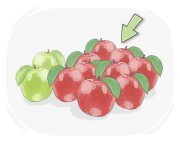
used to refer to the largest number or amount
karamihan, pinakamarami
Kumakain siya ng karamihan ng mga gulay, ngunit hindi niya gusto ang broccoli.
to become interested or enthusiastic about something, often to the point of obsession
someone or something that is irritating, troublesome, or causes inconvenience
![to [hit] {sb} like a ton of bricks](https://cdn.langeek.co/photo/45659/thumb/350?type=jpeg "to [hit] {sb} like a ton of bricks")
to experience the sudden, surprising, and overwhelming impact of something, that catches someone off guard and leaves them feeling stunned or overwhelmed
tumama nang matindi, magpaiwan na tulala
Matindi ang tama sa lahat ng balita tungkol sa pagbibitiw niya.
used to express relief that something has finally happened, after a long delay or period of waiting
at any convenient or available time, without the need for careful planning or scheduling
used to indicate satisfaction or approval with a change or improvement in a situation

used to express surprise, disbelief, or amazement about something that has just been said or observed
Isipin mo yan!, Grabe naman!
Isipin mo yan! Sabihin mo sa akin ang higit pa tungkol sa iyong bagong libangan.
a variety of unspecified things or situations
used to refer nostalgically to a past time or era, often implying that the time being referred to was a better or more enjoyable time
used to indicate that there is nothing more to say or do about a particular matter
used to say that unfortunate or unexpected events sometimes occur and that it is a natural part of life to experience them
used to describe a day that is particularly difficult or frustrating
used to say that difficult or challenging situations are a natural part of life and are meant to test our strength and resilience
to stop talking about or discussing something, especially when there is no need for further elaboration or action
used to ask for someone's opinion or reaction to a particular idea, proposal, or suggestion
used to encourage or praise someone for their positive attitude or determination in a difficult or challenging situation
to have an intuition or a premonition about something without any logical or rational explanation
to reach a conclusion or make a choice after careful consideration and evaluation of various options or possibilities
dumating sa, magpasya sa
Matapos ang ilang oras ng debate, ang komite ay sa wakas nakarating sa isang pinagkasunduang desisyon.
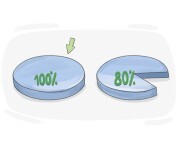
to an absolute or complete extent
ganap, lubos
Lubusan siyang mali tungkol sa resulta ng paglilitis.

exactly at the specified time, neither late nor early
sa oras, tamang oras
Natatapos niya ang kanyang mga gawain nang tama sa oras nang walang anumang paalala.
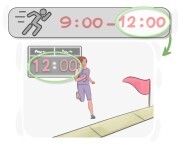
used to indicate that something should have happened or been done earlier
oras na talaga, dapat noon pa
Oras na talaga para tawagan mo ang nanay mo.
