
Книга Headway - Вище середнього - Блок 12
Тут ви знайдете словниковий запас з Unit 12 підручника Headway Upper Intermediate, такі як "cushy", "digest", "apparent" тощо.
Огляд
Картки
форми
Правопис
Вікторина

![to [take] time](/assets/img/no-pic-700w.png "to [take] time")
to need a significant amount of time to be able to happen, be completed, or achieved
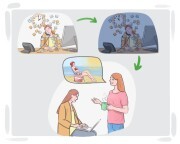
used to tell someone to change their life style and start doing more exciting or important things

займися вже своїм життям, знайди собі щось путнє
Якщо твій план на вихідні — сваритися з незнайомцями в інтернеті, знайди собі щось путнє.
![to [kill] (the|) time](https://cdn.langeek.co/photo/44152/thumb/350?type=jpeg "to [kill] (the|) time")
to spend or use time in a way that does not achieve anything or have a particular goal
used to express that after failing twice, one is bound to succeed on the third try
Третій раз lucky, Бог любить трійцю
Після двох невдалих спроб отримати роботу, він думав, третій раз — щасливий.
used in a situation when there is only a little time to do something and one must be careful not to waste any of it
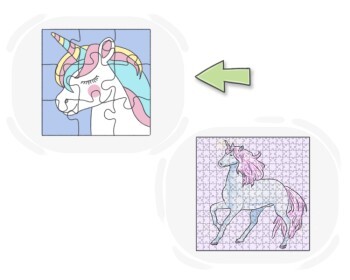
involving minimal effort or hardship
легкий, приємний
Після багатьох років наполегливої праці вона була вдячна за свій новий легкий спосіб життя на пенсії.
to become lively and energetic
оживати, сповнюватися життям
Вечірка ожила, коли гурт почав грати.
![to [bet] {one's} (life|boots|bottom dollar)](https://cdn.langeek.co/photo/46670/thumb/350?type=jpeg "to [bet] {one's} (life|boots|bottom dollar)")
to express strongly and confidently that something is undoubtedly true or will certainly happen
бути абсолютно впевненим, точно знати
Можеш бути абсолютно впевненим, вона попросить знижку.
used to encourage someone who has just missed an opportunity or failed to succeed in a particular field
Кращої удачі наступного разу, Щасти наступного разу
Ти не виграв цього разу, але кращої удачі наступного разу.
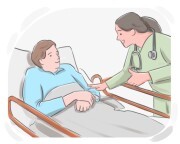
another chance for someone to become more healthy, energetic, or adopting a more optimistic view on life

for a limited period, usually until a certain condition changes
на даний момент, поки що
Вона на даний час виконує обов'язки тимчасового менеджера, поки не буде знайдено постійну заміну.
to remain strong, valuable, or effective over a long period, despite changes or challenges
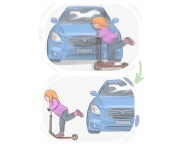
just before it is too late
в самий останній момент, якраз вчасно
to be willing to do whatever it takes to avoid trouble or conflict and have a peaceful and stress-free existence
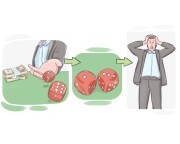
used to say that it is typical of a person to experience an unfortunate event
це вся моя доля, така вже моя доля
Саме того дня, коли я забуваю парасольку, починається злива. Така вже моя доля.
to be in or to get oneself into a situation that may result in an unpleasant or dangerous outcome
ризикувати чимось, наражатися на ризик
Відкладаючи ремонт, орендодавець наражався на ризик серйознішого позову.

to complete or conduct a task, job, etc.
виконати, виконати завдання або роботу
Дуже важливо провести ретельний аналіз ринкових тенденцій перед запуском нового продукту.

a careful and systematic study of a subject to discover new facts or information about it
дослідження
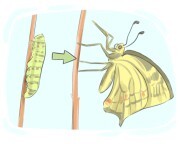
to start or grow to be
ставати
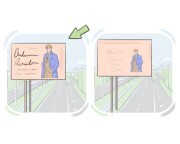
easy to see or notice
очевидний, помітний
Його очевидний дискомфорт був очевидний з його мови тіла.
![to [take] {sth} into account](https://cdn.langeek.co/photo/42092/thumb/350?type=jpeg "to [take] {sth} into account")
to consider something when trying to make a judgment or decision
врахувати щось, брати щось до уваги
Суддя врахував його вік і стан здоров'я, ухвалюючи вирок.
to start or begin something, often with a sense of urgency or purpose
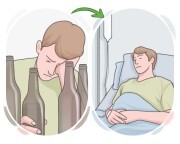
to experience and be affected by something bad or unpleasant
страждати, зазнавати
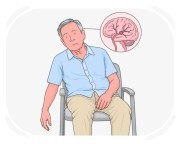
a dangerous condition in which a person loses consciousness as a result of a blood vessel breaking open or becoming blocked in their brain, which could kill or paralyze a part of their body
інсульт, удар
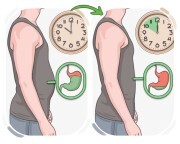
to break down food in the body and to absorb its nutrients and necessary substances
перетравлювати, засвоювати
Деякі продукти легше перетравлювати, ніж інші.
to make two or more strangers get comfortable with each other and engage in a conversation
розтопити лід, розрядити атмосферу
У перший день занять учителька використала просту гру, щоб розтопити лід.
![to [stand] on {one's} own (two|) feet](https://cdn.langeek.co/photo/41700/thumb/350?type=jpeg "to [stand] on {one's} own (two|) feet")
to be able to take care of oneself without needing any assistance from others
стояти на власних ногах, бути самостійним
Вона більше не хоче грошей батьків; хоче стояти на власних ногах.
to attract and hold someone's attention or interest
захоплювати, привертати
![to [follow] {one's} nose](https://cdn.langeek.co/photo/45994/thumb/350?type=jpeg "to [follow] {one's} nose")
to follow one's intuition instead of rules or what others say
довіритися чуттю, іти за інтуїцією
Коли правила не допомогли, вона довірилася чуттю й напряму зателефонувала клієнту.
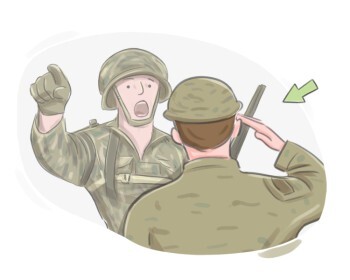
to act accordingly to someone or something's advice, commands, or instructions
слідувати
the way according to which something normally happens or is done
шаблон, модель
to gain weight, often in a short period of time
набирати, погладшувати
Я намагався набрати вагу до футбольного сезону.
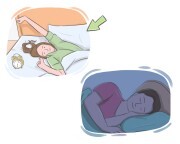
to remove oneself from social interaction or avoid contact with others
віддалятися, ізолюватися
used to express acceptance or resignation to the way things are, particularly when faced with an unpleasant or difficult situation

used to show one's confidence in dealing with another person's behavior and using it to their disadvantage
не тільки ти так умієш, я теж можу відповісти так само
Вона ігнорувала мої листи, тож я подумав: гаразд, не тільки вона так уміє.
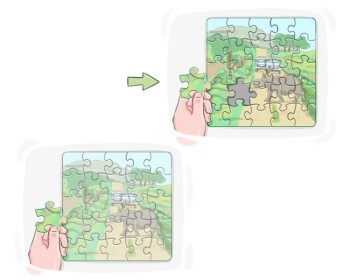
to a necessary amount
достатньо, вистачає
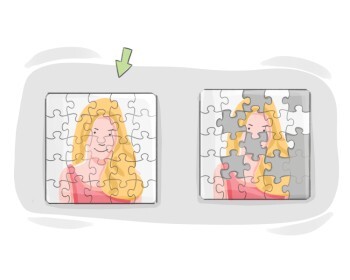
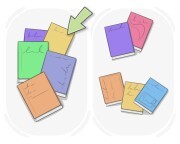
used to refer to every number, part, amount of something or a particular group
весь, всі
Вона витратила все свої гроші на новий телефон.
used to refer to every one of two or more people or things, when you are thinking about them separately
кожен, кожна
a plentiful or abundant amount of something
багато, достатньо
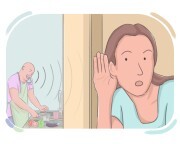
to a very small degree or extent
ледве
Інструкції були ледве достатньо чіткими, щоб їх виконувати.
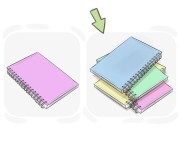
used to refer to a number of things or people, more than two but not many
кілька
У музеї було виставлено кілька картин відомих художників епохи Відродження.
not any of the members of a group of people or things
жоден, ніхто
used to say there is none of something
немає, ні
Нам не пощастило знайти ключі.
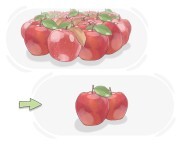
a small unspecified number of people or things
мало
Я зробив кілька кроків до дверей.
a small unspecified number of people or things
мало
Я зробив кілька кроків до дверей.
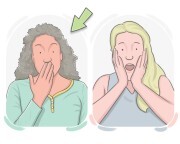
used to indicate a small or limited amount of something, often uncountable
трохи, легенько
Я відчуваю себе трохи голодним після прогулянки.
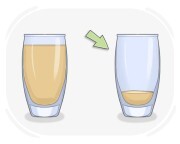
used to indicate a small degree, amount, etc.
малый
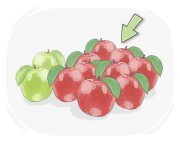
used to refer to the largest number or amount
більшість
Команда показала винятково хороші результати, причому більшість учасників активно долучилися.
to become interested or enthusiastic about something, often to the point of obsession
someone or something that is irritating, troublesome, or causes inconvenience
![to [hit] {sb} like a ton of bricks](https://cdn.langeek.co/photo/45659/thumb/350?type=jpeg "to [hit] {sb} like a ton of bricks")
to experience the sudden, surprising, and overwhelming impact of something, that catches someone off guard and leaves them feeling stunned or overwhelmed
приголомшити, вдарити як грім
Коли вона побачила лікарняний рахунок, це вдарило по ній як грім.
used to express relief that something has finally happened, after a long delay or period of waiting
at any convenient or available time, without the need for careful planning or scheduling
used to indicate satisfaction or approval with a change or improvement in a situation

used to express surprise, disbelief, or amazement about something that has just been said or observed
Уяви собі!, Оце так!
Вона переїжджає в те саме місто, що й я, наступного місяця, уявіть собі !
a variety of unspecified things or situations
used to refer nostalgically to a past time or era, often implying that the time being referred to was a better or more enjoyable time
used to indicate that there is nothing more to say or do about a particular matter
used to say that unfortunate or unexpected events sometimes occur and that it is a natural part of life to experience them
used to describe a day that is particularly difficult or frustrating
used to say that difficult or challenging situations are a natural part of life and are meant to test our strength and resilience
to stop talking about or discussing something, especially when there is no need for further elaboration or action
used to ask for someone's opinion or reaction to a particular idea, proposal, or suggestion
used to encourage or praise someone for their positive attitude or determination in a difficult or challenging situation
to have an intuition or a premonition about something without any logical or rational explanation
to reach a conclusion or make a choice after careful consideration and evaluation of various options or possibilities
дійти до, прийти до
Сторони, залучені до суперечки, дійшли до врегулювання поза судом.
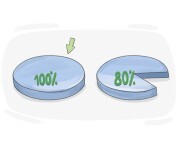
to an absolute or complete extent
повністю, абсолютно
Я мертвий впевнений, що він взяв ключі.
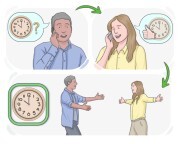
exactly at the specified time, neither late nor early
своєчасний
Він регулярно вчився, щоб завершити свою програму вчасно.
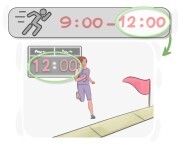
used to indicate that something should have happened or been done earlier
давно час, уже давно пора
Компанії вже давно час вирішити цю проблему.
