
Boken Headway - Övre mellannivå - Enhet 12
Här hittar du ordförrådet från Enhet 12 i Headway Upper Intermediate kursboken, såsom "cushy", "digest", "apparent", etc.
Recension
Flashcards
former
Stavning
Quiz

![to [take] time](/assets/img/no-pic-700w.png "to [take] time")
to need a significant amount of time to be able to happen, be completed, or achieved
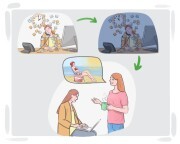
used to tell someone to change their life style and start doing more exciting or important things

skaffa dig ett liv, hitta något vettigare att göra
Du har uppdaterat biljettsidan i sex timmar; skaffa dig ett liv.
![to [kill] (the|) time](https://cdn.langeek.co/photo/44152/thumb/350?type=jpeg "to [kill] (the|) time")
to spend or use time in a way that does not achieve anything or have a particular goal
used to express that after failing twice, one is bound to succeed on the third try
Tredje gången lucky, Tredje gången gillt
Jag har redan misslyckats två gånger, men tredje gången gillt, jag är säker på att jag kommer att klara det här testet!
used in a situation when there is only a little time to do something and one must be careful not to waste any of it
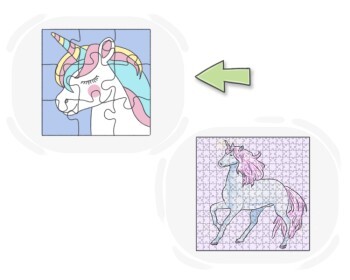
involving minimal effort or hardship
lätt, bekväm
Hans lätta uppdrag tillät honom att arbeta hemifrån och sätta sin egen schemaläggning.
to become lively and energetic
få liv, bli livligt
Marknaden får liv varje lördagsmorgon.
![to [bet] {one's} (life|boots|bottom dollar)](https://cdn.langeek.co/photo/46670/thumb/350?type=jpeg "to [bet] {one's} (life|boots|bottom dollar)")
to express strongly and confidently that something is undoubtedly true or will certainly happen
vara helt säker, veta säkert
Han kommer att neka till allt, det är jag helt säker på.
used to encourage someone who has just missed an opportunity or failed to succeed in a particular field
Bättre lycka nästa gång, Mer lycka nästa gång
Det gick inte som planerat, men kom ihåg, bättre lycka nästa gång.
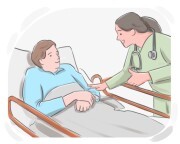
another chance for someone to become more healthy, energetic, or adopting a more optimistic view on life
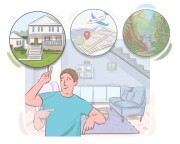
for a limited period, usually until a certain condition changes
för tillfället, tills vidare
Jag tar hand om den här uppgiften för tillfället, men vi borde diskutera en mer permanent lösning.
to remain strong, valuable, or effective over a long period, despite changes or challenges
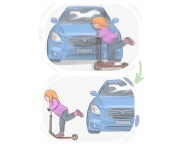
just before it is too late
to be willing to do whatever it takes to avoid trouble or conflict and have a peaceful and stress-free existence
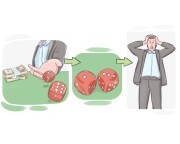
used to say that it is typical of a person to experience an unfortunate event
typiskt min otur, sån är min tur
Varje gång jag börjar spara pengar går något sönder. Typiskt min otur.
to be in or to get oneself into a situation that may result in an unpleasant or dangerous outcome
löpa risk för något, utsätta sig för risken
Om vi skär ner budgeten igen löper vi risk att förlora erfaren personal.

to complete or conduct a task, job, etc.
genomföra, utföra
Teknikern kommer att utföra rutinmässigt underhåll på maskinerna för att förhindra eventuella problem.

a careful and systematic study of a subject to discover new facts or information about it
forskning
Forskningen om användningen av sociala medier avslöjade intressanta trender bland tonåringar.
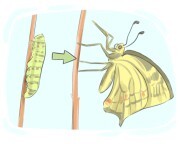
to start or grow to be
bli, bli
Det blev uppenbart att de inte var förberedda för presentationen.
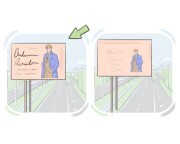
easy to see or notice
tydlig, synlig
Det blev tydligt att de inte hade för avsikt att avsluta projektet i tid.
![to [take] {sth} into account](https://cdn.langeek.co/photo/42092/thumb/350?type=jpeg "to [take] {sth} into account")
to consider something when trying to make a judgment or decision
ta något i beaktande, ta hänsyn till något
Hennes erfarenhet bör tas i beaktande, även om hon saknar formella meriter.
to start or begin something, often with a sense of urgency or purpose
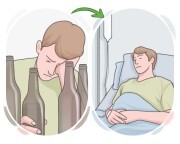
to experience and be affected by something bad or unpleasant
lida, uthärda
Han led mycket smärta efter olyckan.
a dangerous condition in which a person loses consciousness as a result of a blood vessel breaking open or becoming blocked in their brain, which could kill or paralyze a part of their body
stroke, slaganfall
Rehabiliteringsterapi är ofta nödvändigt för att hjälpa stroke-överlevare att återfå förlorade färdigheter och förbättra deras livskvalitet.
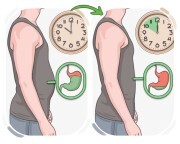
to break down food in the body and to absorb its nutrients and necessary substances
smälta, absorbera
Att smälta proteiner innebär verkan av magsyror.
to make two or more strangers get comfortable with each other and engage in a conversation
bryta isen, lätta upp stämningen
Lite småprat kan hjälpa till att bryta isen mellan nya kollegor.
![to [stand] on {one's} own (two|) feet](https://cdn.langeek.co/photo/41700/thumb/350?type=jpeg "to [stand] on {one's} own (two|) feet")
to be able to take care of oneself without needing any assistance from others
stå på egna ben, klara sig själv
Sluta lösa alla problem åt honom; han måste lära sig att stå på egna ben.
to attract or hold someone's attention or interest
fånga, dra till sig
Den fängslande melodin och den smittande rytmen i låten fångade lyssnarna och gjorde den till en omedelbar hit.
![to [follow] {one's} nose](https://cdn.langeek.co/photo/45994/thumb/350?type=jpeg "to [follow] {one's} nose")
to follow one's intuition instead of rules or what others say
gå på magkänsla, lita på sin intuition
Han struntade i allas råd och gick på magkänsla in i journalistiken.
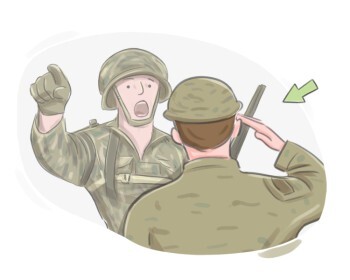
to act accordingly to someone or something's advice, commands, or instructions
följa
Hon följde receptet löst och lade till sin egen twist till rätten.
the way according to which something normally happens or is done
mönster, modell
Ekonomer studerar mönster på marknaden för att förutsäga framtida trender och utvecklingar.
to gain weight, often in a short period of time
lägga på sig, gå upp i vikt
Det är lätt för mig att gå upp i vikt om jag inte tränar regelbundet.
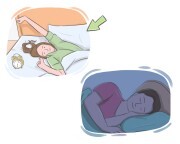
not in a state of sleep or unconsciousness
vaken, alert
Hunden stannade vaken för att hålla vakt över huset.
to remove oneself from social interaction or avoid contact with others
dra sig tillbaka, isolera sig
Efter en lång arbetsvecka såg hon fram emot att dra sig tillbaka till sin lägenhet för någon välbehövlig avkoppling.
used to express acceptance or resignation to the way things are, particularly when faced with an unpleasant or difficult situation

used to show one's confidence in dealing with another person's behavior and using it to their disadvantage
du är inte den enda som kan, jag kan svara likadant
Om du vill vara småaktig är du inte den enda som kan.
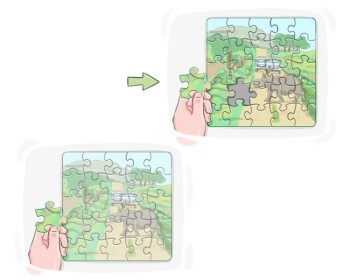
to a necessary amount
tillräcklig, nog
Hans förklaring var tillräckligt tydlig för att alla skulle förstå.
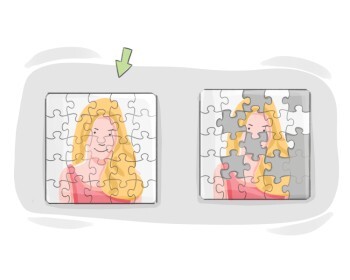
including every part, member, etc.
hel, fullständig
Hela gruppen jublade för det vinnande laget.
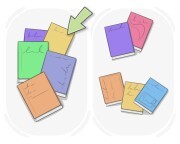
used to refer to every number, part, amount of something or a particular group
alla, varje
Han ägnade all sin tid åt att plugga inför provet.
used to refer to every one of two or more people or things, when you are thinking about them separately
varje, var och en
a plentiful or abundant amount of something
mycket, rikligt
Det finns många anledningar att besöka nationalparken, inklusive den vackra naturen och vandringslederna.
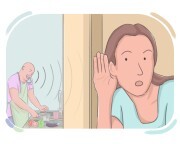
to a very small degree or extent
knappt, nästan inte
Frågan knappt behandlades i de inledande skedena av diskussionen.
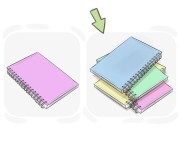
used to refer to a number of things or people, more than two but not many
flera
Hon fick flera inbjudningar till olika evenemang denna helg.
not any of the members of a group of people or things
ingen, inget
Trots att ha genomsökt hela samlingen intresserade ingen av böckerna i hyllan honom.
used to say there is none of something
ingen, det finns ingen
Receptet kräver inget socker alls.
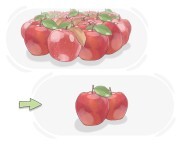
a small unspecified number of people or things
få, några
Det finns några äpplen kvar i korgen.
a small unspecified number of people or things
få, några
Det finns några äpplen kvar i korgen.
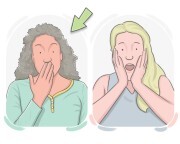
used to indicate a small or limited amount of something, often uncountable
lite, lätt
Rummet är lite kallt idag.
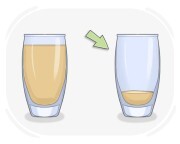
used to indicate a small degree, amount, etc.
lite, en liten
Det finns lite utrymme för fel i denna uppgift.
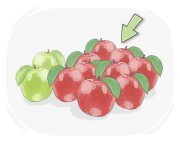
used to refer to the largest number or amount
de flesta, största delen
I undersökningen uttryckte de flesta deltagarna tillfredsställelse med produkten.
to become interested or enthusiastic about something, often to the point of obsession
someone or something that is irritating, troublesome, or causes inconvenience
![to [hit] {sb} like a ton of bricks](https://cdn.langeek.co/photo/45659/thumb/350?type=jpeg "to [hit] {sb} like a ton of bricks")
to experience the sudden, surprising, and overwhelming impact of something, that catches someone off guard and leaves them feeling stunned or overwhelmed
slå ner som en bomb, träffa som ett slag
Tanken att jag kanske aldrig skulle se den platsen igen träffade mig som ett slag.
used to express relief that something has finally happened, after a long delay or period of waiting
at any convenient or available time, without the need for careful planning or scheduling
used to indicate satisfaction or approval with a change or improvement in a situation

used to express surprise, disbelief, or amazement about something that has just been said or observed
Tänk dig det!, Det var som tusan!
Är det han som hittade lösningen? Tänk dig det, jag skulle inte ha gissat.
a variety of unspecified things or situations
used to refer nostalgically to a past time or era, often implying that the time being referred to was a better or more enjoyable time
used to indicate that there is nothing more to say or do about a particular matter
used to say that unfortunate or unexpected events sometimes occur and that it is a natural part of life to experience them
used to describe a day that is particularly difficult or frustrating
used to say that difficult or challenging situations are a natural part of life and are meant to test our strength and resilience
to stop talking about or discussing something, especially when there is no need for further elaboration or action
used to ask for someone's opinion or reaction to a particular idea, proposal, or suggestion
used to encourage or praise someone for their positive attitude or determination in a difficult or challenging situation
to have an intuition or a premonition about something without any logical or rational explanation
to reach a conclusion or make a choice after careful consideration and evaluation of various options or possibilities
komma till, nå till
Styrelsen träffades för att diskutera förslaget och kom fram till en resolution.
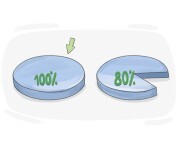
to an absolute or complete extent
helt, absolut
Han var helt emot idén från början.
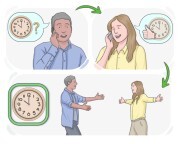
exactly at the specified time, neither late nor early
i tid, prickligt
Tåget anlände i tid till stationen.
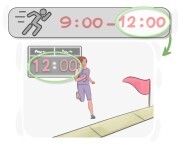
used to indicate that something should have happened or been done earlier
det var på tiden, hög tid
Det var på tiden att vi slutade låtsas att allt är bra.
