
Le livre Headway - Intermédiaire Supérieur - Unité 12
Ici, vous trouverez le vocabulaire de l'Unité 12 du manuel Headway Upper Intermediate, comme "cushy", "digest", "apparent", etc.
Réviser
Flashcards
formes
Orthographe
Quiz

![to [take] time](/assets/img/no-pic-700w.png "to [take] time")
to need a significant amount of time to be able to happen, be completed, or achieved
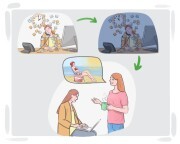
used to tell someone to change their life style and start doing more exciting or important things

trouve-toi une vie, trouve-toi mieux à faire
Si ton programme du week-end, c'est de te disputer avec des inconnus en ligne, trouve-toi mieux à faire.
![to [kill] (the|) time](https://cdn.langeek.co/photo/44152/thumb/350?type=jpeg "to [kill] (the|) time")
to spend or use time in a way that does not achieve anything or have a particular goal
used to express that after failing twice, one is bound to succeed on the third try
La troisième fois sera la bonne, Jamais deux sans trois
Après deux tentatives infructueuses pour obtenir le poste, il pensait, jamais deux sans trois.
used in a situation when there is only a little time to do something and one must be careful not to waste any of it
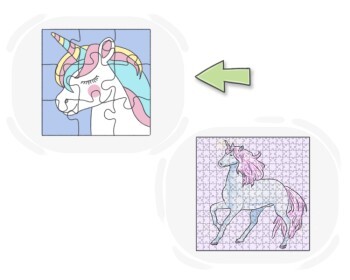
involving minimal effort or hardship
facile, pépère
Après des années de travail exigeant, elle était reconnaissante pour son nouveau style de vie de retraite tranquille.
to become lively and energetic
s'animer, prendre vie
La fête s'est animée quand le groupe a commencé à jouer.
![to [bet] {one's} (life|boots|bottom dollar)](https://cdn.langeek.co/photo/46670/thumb/350?type=jpeg "to [bet] {one's} (life|boots|bottom dollar)")
to express strongly and confidently that something is undoubtedly true or will certainly happen
être absolument sûr, en être certain
Tu peux être absolument sûr qu'elle demandera une réduction.
used to encourage someone who has just missed an opportunity or failed to succeed in a particular field
plus de chance la prochaine fois, peut-être la prochaine fois
Vous n'avez pas gagné cette fois, mais bonne chance la prochaine fois.
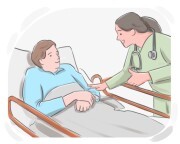
another chance for someone to become more healthy, energetic, or adopting a more optimistic view on life
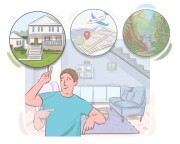
for a limited period, usually until a certain condition changes
pour le moment, pour l'instant
Elle sert pour le moment de gestionnaire intérimaire jusqu'à ce qu'un remplaçant permanent soit trouvé.
to remain strong, valuable, or effective over a long period, despite changes or challenges
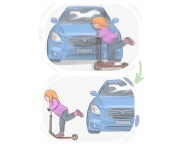
just before it is too late
to be willing to do whatever it takes to avoid trouble or conflict and have a peaceful and stress-free existence
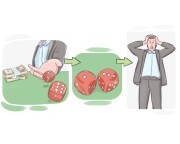
used to say that it is typical of a person to experience an unfortunate event
c'est toute ma vie, typique de ma chance
Le seul jour où j'oublie mon parapluie, il pleut à verse. Typique de ma chance.
to be in or to get oneself into a situation that may result in an unpleasant or dangerous outcome
courir le risque de quelque chose, s'exposer au risque de quelque chose
En retardant les réparations, le propriétaire s'est exposé au risque d'un procès plus important.
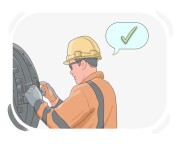
to complete or conduct a task, job, etc.
exécuter
Il est essentiel de effectuer une analyse approfondie des tendances du marché avant de lancer un nouveau produit.

a careful and systematic study of a subject to discover new facts or information about it
recherche
Le scientifique a mené des recherches approfondies sur les effets du changement climatique.
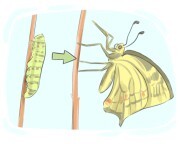
to start or grow to be
devenir
Comment puis-je devenir un individu plus confiant ?
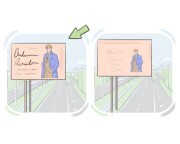
easy to see or notice
apparent
Sa confusion apparente indiquait qu'il ne comprenait pas les instructions.
![to [take] {sth} into account](https://cdn.langeek.co/photo/42092/thumb/350?type=jpeg "to [take] {sth} into account")
to consider something when trying to make a judgment or decision
tenir compte de quelque chose, prendre quelque chose en considération
Le juge a tenu compte de son âge et de son état de santé pour fixer la peine.
to start or begin something, often with a sense of urgency or purpose
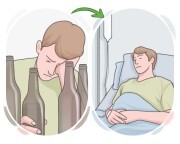
to experience and be affected by something bad or unpleasant
souffrir
L'année dernière, la région a souffert d'une grave sécheresse.
a dangerous condition in which a person loses consciousness as a result of a blood vessel breaking open or becoming blocked in their brain, which could kill or paralyze a part of their body
accident vasculaire cérébral
Les symptômes d'un AVC peuvent inclure un engourdissement ou une faiblesse soudaine du visage, du bras ou de la jambe, surtout d'un côté du corps.
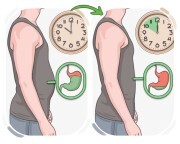
to break down food in the body and to absorb its nutrients and necessary substances
digérer
Il faut du temps à l'estomac pour digérer les glucides complexes.
to make two or more strangers get comfortable with each other and engage in a conversation
briser la glace, détendre l'atmosphère
La prof a utilisé un petit jeu pour briser la glace le premier jour de cours.
![to [stand] on {one's} own (two|) feet](https://cdn.langeek.co/photo/41700/thumb/350?type=jpeg "to [stand] on {one's} own (two|) feet")
to be able to take care of oneself without needing any assistance from others
voler de ses propres ailes, se débrouiller seul
Elle ne veut plus de l'argent de ses parents ; elle veut voler de ses propres ailes.
to attract or hold someone's attention or interest
captiver, attirer
Le titre du journal m'a attrapé dès que je l'ai vu.
![to [follow] {one's} nose](https://cdn.langeek.co/photo/45994/thumb/350?type=jpeg "to [follow] {one's} nose")
to follow one's intuition instead of rules or what others say
se fier à son instinct, suivre son intuition
Quand les règles n'ont pas aidé, elle a suivi son intuition et a appelé le client directement.
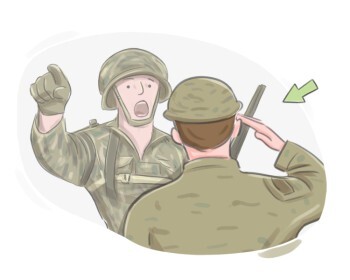
to act accordingly to someone or something's advice, commands, or instructions
suivre
Il a du mal à suivre des instructions complexes.
the way according to which something normally happens or is done
modèle
Elle a remarqué un modèle récurrent de comportement chez son ami qui indiquait qu'il se sentait stressé.
to gain weight, often in a short period of time
prendre, grossir
J'ai essayé de prendre du poids pour la saison de football.
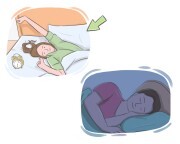
not in a state of sleep or unconsciousness
éveillé, conscient
Le bruit à l'extérieur l'a gardée éveillée pendant la majeure partie de la nuit.
to remove oneself from social interaction or avoid contact with others
se retirer, s'isoler
En tant qu'introvertie, elle a souvent besoin de se retirer des situations sociales pour recharger son énergie.
used to express acceptance or resignation to the way things are, particularly when faced with an unpleasant or difficult situation

used to show one's confidence in dealing with another person's behavior and using it to their disadvantage
tu n'es pas le seul à savoir faire ça, moi aussi je peux répondre pareil
Elle a ignoré mes e-mails, alors je me suis dit : très bien, elle n'est pas la seule à savoir faire ça.
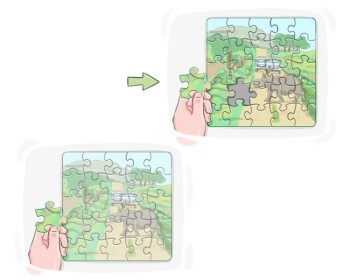
to a necessary amount
assez
As-tu assez chaud, ou devrais-je te prendre une couverture ?
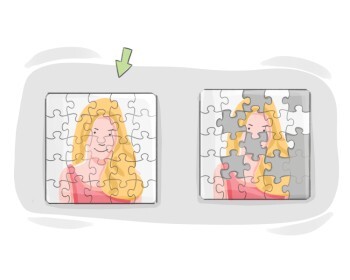
including every part, member, etc.
entier
Elle a lu le livre entier d'une seule traite.
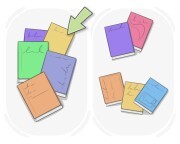
used to refer to every number, part, amount of something or a particular group
tout, toute, tous, toutes
Elle a dépensé tout son argent pour un nouveau téléphone.
used to refer to every one of two or more people or things, when you are thinking about them separately
chaque, chacun
a plentiful or abundant amount of something
beaucoup, plein
Le fermier a récolté beaucoup de pommes cette saison, plus que jamais auparavant.
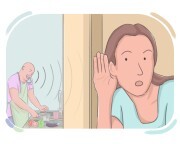
to a very small degree or extent
à peine
Les instructions étaient à peine assez claires pour être suivies.
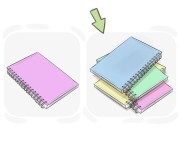
used to refer to a number of things or people, more than two but not many
plusieurs
Plusieurs amis nous ont rejoints pour le dîner hier soir.
not any of the members of a group of people or things
aucun, aucune
Elle a demandé des volontaires, mais aucun des employés n'était prêt à rester tard.
used to say there is none of something
pas de
Nous n'avons pas eu de chance à trouver les clés.
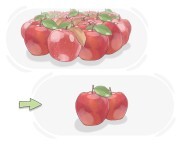
a small unspecified number of people or things
peu de
J'ai fait quelques pas vers la porte.
a small unspecified number of people or things
peu de
J'ai fait quelques pas vers la porte.
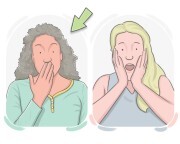
used to indicate a small or limited amount of something, often uncountable
un peu, légèrement
Je me sens un peu affamé après la marche.
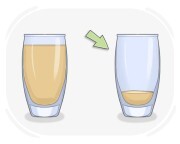
used to indicate a small degree, amount, etc.
peu de
Elle a montré peu d'intérêt pour le sujet.
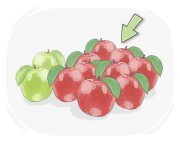
used to refer to the largest number or amount
la plupart de, le plus de
L'équipe a performé exceptionnellement bien, avec la plupart des membres contribuant activement.
to become interested or enthusiastic about something, often to the point of obsession
someone or something that is irritating, troublesome, or causes inconvenience
![to [hit] {sb} like a ton of bricks](https://cdn.langeek.co/photo/45659/thumb/350?type=jpeg "to [hit] {sb} like a ton of bricks")
to experience the sudden, surprising, and overwhelming impact of something, that catches someone off guard and leaves them feeling stunned or overwhelmed
tomber dessus comme une massue, faire l'effet d'un choc
Quand elle a vu la facture de l'hôpital, ça lui est tombé dessus comme une massue.
used to express relief that something has finally happened, after a long delay or period of waiting
at any convenient or available time, without the need for careful planning or scheduling
used to indicate satisfaction or approval with a change or improvement in a situation
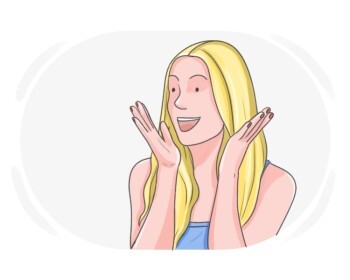
used to express surprise, disbelief, or amazement about something that has just been said or observed
Imagine ça !, Tu parles !
Elle déménage dans la même ville que moi le mois prochain, tu te rends compte !
a variety of unspecified things or situations
used to refer nostalgically to a past time or era, often implying that the time being referred to was a better or more enjoyable time
used to indicate that there is nothing more to say or do about a particular matter
used to say that unfortunate or unexpected events sometimes occur and that it is a natural part of life to experience them
used to describe a day that is particularly difficult or frustrating
used to say that difficult or challenging situations are a natural part of life and are meant to test our strength and resilience
to stop talking about or discussing something, especially when there is no need for further elaboration or action
used to ask for someone's opinion or reaction to a particular idea, proposal, or suggestion
used to encourage or praise someone for their positive attitude or determination in a difficult or challenging situation
to have an intuition or a premonition about something without any logical or rational explanation
to reach a conclusion or make a choice after careful consideration and evaluation of various options or possibilities
parvenir à, arriver à
Les parties impliquées dans le litige sont parvenues à un règlement en dehors du tribunal.
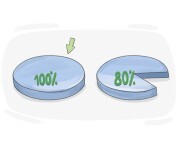
to an absolute or complete extent
complètement, absolument
Je suis mort certain qu'il a pris les clés.
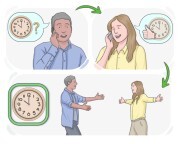
exactly at the specified time, neither late nor early
à l’heure
Il a étudié régulièrement pour terminer son programme à temps.
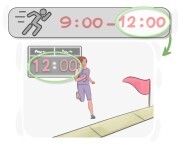
used to indicate that something should have happened or been done earlier
il était temps, ce n'était pas trop tôt
Il était temps que l'entreprise règle ce problème.
