pattern

Headway - Upper Intermediate - Unit 12

Here you will find the vocabulary from Unit 12 in the Headway Upper Intermediate coursebook, such as "cushy", "digest", "apparent", etc.

Review

Flashcards

Forms

Spelling

Quiz

Start learning
Headway - Upper Intermediate
to [take] time
to take time
[phrase]

to need a significant amount of time to be able to happen, be completed, or achieved
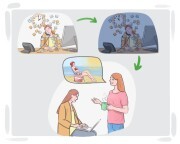
Ex: Learning a new language can take time, patience, and practice. 
Close
Sign in
get a life
get a life
[sentence]

used to tell someone to change their life style and start doing more exciting or important things

Ex: Stop spying on your ex's posts and get a life. 
Close
Sign in
to [kill] (the|) time

to spend or use time in a way that does not achieve anything or have a particular goal

Ex: When the meeting was delayed, they killed time by chatting with each other. 
Close
Sign in
third time lucky
third time lucky
[interjection]

used to express that after failing twice, one is bound to succeed on the third try

Ex: Third time lucky—I’m going to get this job on my third interview! 
Close
Sign in
no time to lose

used in a situation when there is only a little time to do something and one must be careful not to waste any of it
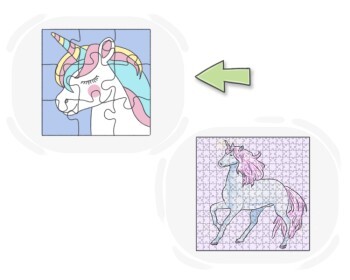
Ex: We need to get started immediately. There's no time to lose. 
Close
Sign in
cushy
cushy
[Adjective]

involving minimal effort or hardship

Ex: He enjoyed his cushy job, which required minimal hours and offered generous pay. 
Close
Sign in
to [come] to life

to become lively and energetic

Ex: As the music started, the party came to life with dancing and laughter. 
Close
Sign in
to [bet] {one's} (life|boots|bottom dollar)

to express strongly and confidently that something is undoubtedly true or will certainly happen

Ex: I'd bet my life he knew about the plan before the meeting. 
Close
Sign in
better luck next time
[interjection]

used to encourage someone who has just missed an opportunity or failed to succeed in a particular field
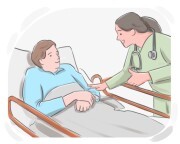
Ex: That was a tough break, but better luck next time. 
Close
Sign in
new lease of life

another chance for someone to become more healthy, energetic, or adopting a more optimistic view on life
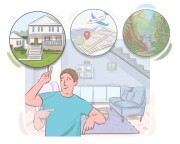
Ex: His return to the game gave the team a new lease of life, and they played better than ever. 
Close
Sign in
for the time being

for a limited period, usually until a certain condition changes

Ex: For the time being, I am focusing on my studies before deciding on my career path. 
Close
Sign in
to [stand] the test of time

to remain strong, valuable, or effective over a long period, despite changes or challenges
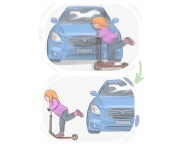
Ex: A stable relationship stands the test of time. 
Close
Sign in
in the nick of time

just before it is too late

Ex: He arrives in the nick of time to catch his flight before the gate closes. 
Close
Sign in
to [do] (anything|) for a quiet life

to be willing to do whatever it takes to avoid trouble or conflict and have a peaceful and stress-free existence
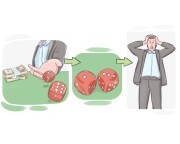
Ex: He did anything for a quiet life, yet here he is. 
Close
Sign in
story of {one's} life

used to say that it is typical of a person to experience an unfortunate event

Ex: I finally found a parking space, and then my meter was broken. Story of my life. 
Close
Sign in
to [run] the risk of {sth}

to be in or to get oneself into a situation that may result in an unpleasant or dangerous outcome
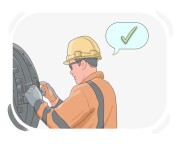
Ex: By not wearing a helmet while biking, you run the risk of a head injury in case of an accident. 
Close
Sign in
to carry out

to complete or conduct a task, job, etc.

Ex: The research team will carry out experiments to test the hypothesis and gather data. 
Close
Sign in
research
research
[noun]

a careful and systematic study of a subject to discover new facts or information about it
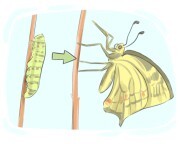
Ex: Mark spent hours in the library doing research for his history paper. 
Close
Sign in
to become
to become
[Verb]

to start or grow to be

Ex: He's training to become a pilot at a flight school. 
Close
Sign in
apparent
apparent
[Adjective]

easy to see or notice

Ex: His apparent discomfort was evident from his body language. 
Close
Sign in
to [take] {sth} into account

to consider something when trying to make a judgment or decision

Ex: We need to take the extra costs into account before we approve the project. 
Close
Sign in
to [get] {sth} going

to start or begin something, often with a sense of urgency or purpose
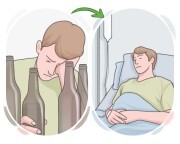
Ex: We need to get the project going before the deadline approaches. 
Close
Sign in
to suffer
to suffer
[Verb]

to experience and be affected by something bad or unpleasant

Ex: They suffered the consequences of their actions. 
Close
Sign in
stroke
stroke
[noun]

a dangerous condition in which a person loses consciousness as a result of a blood vessel breaking open or becoming blocked in their brain, which could kill or paralyze a part of their body
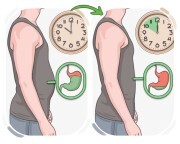
Ex: A stroke occurs when a blood vessel in the brain either becomes blocked (ischemic stroke) or bursts (hemorrhagic stroke). 
Close
Sign in
to digest
to digest
[Verb]

to break down food in the body and to absorb its nutrients and necessary substances

Ex: Our bodies use enzymes to digest food in the stomach. 
Close
Sign in
to [break] the ice

to make two or more strangers get comfortable with each other and engage in a conversation

Ex: He told a lighthearted joke to break the ice at the beginning of the meeting. 
Close
Sign in
to [stand] on {one's} own (two|) feet

to be able to take care of oneself without needing any assistance from others

Ex: After college, he finally learned to stand on his own feet. 
Close
Sign in
to grab
to grab
[Verb]

to attract or hold someone's attention or interest

Ex: The movie's intriguing plot and captivating visuals grabbed the audience from the very beginning. 
Close
Sign in
to [follow] {one's} nose

to follow one's intuition instead of rules or what others say
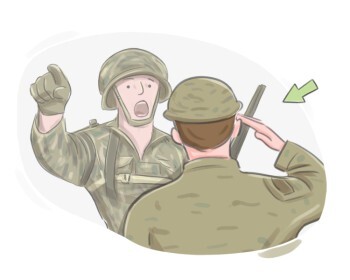
Ex: I didn't read the reviews; I just followed my nose and chose the smaller restaurant. 
Close
Sign in
to follow
to follow
[Verb]

to act accordingly to someone or something's advice, commands, or instructions

Ex: She followed her doctor's advice and improved her health. 
Close
Sign in
pattern
pattern
[noun]

the way according to which something normally happens or is done

Ex: The weather pattern in this region typically includes rainy seasons followed by dry spells. 
Close
Sign in
to put on
to put on
[Verb]

to gain weight, often in a short period of time
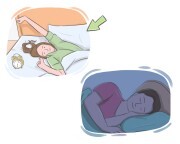
Ex: She's put on a few pounds since the holidays. 
Close
Sign in
awake
awake
[Adjective]

not in a state of sleep or unconsciousness

Ex: He was fully awake and alert during the early morning meeting. 
Close
Sign in
to withdraw

to remove oneself from social interaction or avoid contact with others

Ex: Feeling overwhelmed by the crowd, she decided to withdraw to a quiet corner of the room where she could be alone. 
Close
Sign in
that is life (for you|)

used to express acceptance or resignation to the way things are, particularly when faced with an unpleasant or difficult situation

Ex: I don’t think I was fairly treated, but then that’s life, isn’t it? 
Close
Sign in
two (can|could) play (that|this|the) game

used to show one's confidence in dealing with another person's behavior and using it to their disadvantage
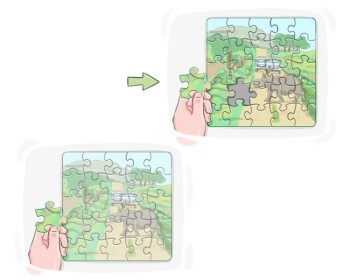
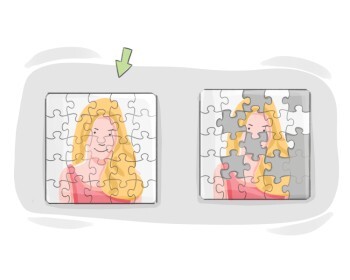
Ex: If he starts leaking stories, two can play that game. 
Close
Sign in
enough
enough
[determiner]

to a necessary amount

Ex: The soup wasn't hot enough to serve. 
Close
Sign in
whole
whole
[Adjective]

including every part, member, etc.

Ex: He ate the whole pizza by himself. 
Close
Sign in
all
all
[determiner]

used to refer to every number, part, amount of something or a particular group

Ex: All books on this shelf belong to me. 
Close
Sign in
each
each
[determiner]

used to refer to every one of two or more people or things, when you are thinking about them separately

Close
Sign in
plenty
plenty
[pronoun]

a plentiful or abundant amount of something

Ex: She found plenty of interesting books at the library to read over the summer. 
Close
Sign in
a great deal
a great deal
[phrase]

to a large extent

Ex: She cares for him a great deal, which is why she's always there when he needs her. 
Close
Sign in
hardly
hardly
[Adverb]

to a very small degree or extent

Ex: She hardly knew him, yet she agreed to help. 
Close
Sign in
several
several
[determiner]

used to refer to a number of things or people, more than two but not many

Ex: He owns several cars, each for a different purpose. 
Close
Sign in
none
none
[determiner]

not any of the members of a group of people or things
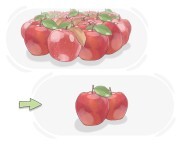
Ex: None of the students in the class had completed the assignment on time. 
Close
Sign in
no
no
[determiner]

used to say there is none of something

Ex: There is no reason to be afraid. 
Close
Sign in
few
few
[determiner]

a small unspecified number of people or things
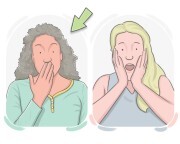
Ex: Few people understand the complexity of this issue. 
Close
Sign in
few
few
[determiner]

a small unspecified number of people or things

Ex: Few people understand the complexity of this issue. 
Close
Sign in
a little
a little
[Adverb]

used to indicate a small or limited amount of something, often uncountable
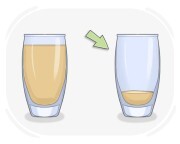
Ex: She smiled a little when she heard the news. 
Close
Sign in
little
little
[determiner]

used to indicate a small degree, amount, etc.
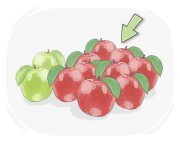
Ex: I have little time to finish the project. 
Close
Sign in
most
most
[determiner]

used to refer to the largest number or amount

Ex: He eats most vegetables, but he doesn't like broccoli. 
Close
Sign in
to [get] the bug

to become interested or enthusiastic about something, often to the point of obsession

Ex: After attending a gaming convention, she got the bug and now spends all her weekends playing video games. 
Close
Sign in
(such|what) a pain
such a pain
[phrase]

someone or something that is irritating, troublesome, or causes inconvenience

Ex: What a pain writing good grant descriptions can be if you don't know where to begin. 
Close
Sign in
to [hit] {sb} like a ton of bricks

to experience the sudden, surprising, and overwhelming impact of something, that catches someone off guard and leaves them feeling stunned or overwhelmed

Ex: The news of her accident hit me like a ton of bricks. 
Close
Sign in
(and|) not before time (too|)

used to express relief that something has finally happened, after a long delay or period of waiting

Ex: A new law is proposed to curb this type of blatantly dishonest description, and not before time 
Close
Sign in
any old time
any old time
[phrase]

at any convenient or available time, without the need for careful planning or scheduling

Ex: I'm free all day tomorrow, so we can meet at any old time. 
Close
Sign in
(that|this) [is] more like it

used to indicate satisfaction or approval with a change or improvement in a situation
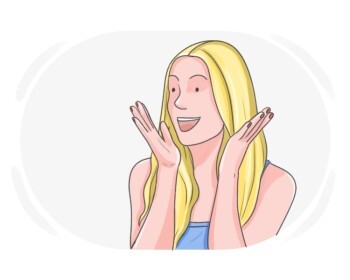
Ex: "I've done twice as much today as yesterday!" "Well, that's more like it! Congratulations!" 
Close
Sign in
fancy that
fancy that
[interjection]

used to express surprise, disbelief, or amazement about something that has just been said or observed

Ex: Fancy that! Tell me more about your new hobby. 
Close
Sign in
this and that

a variety of unspecified things or situations

Ex: I’ve been busy with this and that, so I haven’t had time to relax. 
Close
Sign in
those were the days

used to refer nostalgically to a past time or era, often implying that the time being referred to was a better or more enjoyable time

Ex: When I was a kid, we spent our summers at the beach. Those were the days! 
Close
Sign in
that is all {~noun}
that is all
[sentence]

used to indicate that there is nothing more to say or do about a particular matter

Ex: The presentation was clear, and that is all I need to know. 
Close
Sign in
these things happen

used to say that unfortunate or unexpected events sometimes occur and that it is a natural part of life to experience them

Ex: The project got delayed, and we’re all frustrated, but these things happen. 
Close
Sign in
to [be|have] one of those days

used to describe a day that is particularly difficult or frustrating

Ex: I’m sorry for snapping, I’m just having one of those days. 
Close
Sign in
these things are sent to try us

used to say that difficult or challenging situations are a natural part of life and are meant to test our strength and resilience

Ex: I know it’s hard, but these things are sent to try us—we’ll get through it. 
Close
Sign in
to [leave] it at that

to stop talking about or discussing something, especially when there is no need for further elaboration or action

Ex: I was furious but just left it at that since he obviously didn't care about me. 
Close
Sign in
how does {sth} grab you?

used to ask for someone's opinion or reaction to a particular idea, proposal, or suggestion

Ex: How does going to Hawaii for Christmas grab you? 
Close
Sign in
that is the spirit

used to encourage or praise someone for their positive attitude or determination in a difficult or challenging situation

Ex: Yeah, that's the spirit! 
Close
Sign in
to [have] (a|the|this) feeling

to have an intuition or a premonition about something without any logical or rational explanation

Ex: I had a feeling it was going to end this way. 
Close
Sign in
to come to

to reach a conclusion or make a choice after careful consideration and evaluation of various options or possibilities
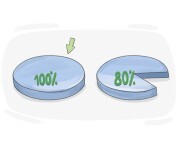
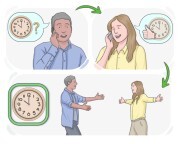
Ex: After hours of debate, the committee finally came to a unanimous decision. 
Close
Sign in
dead
dead
[Adverb]

to an absolute or complete extent

Ex: She was dead wrong about the outcome of the trial. 
Close
Sign in
on time
on time
[Adverb]

exactly at the specified time, neither late nor early
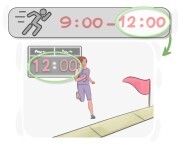
Ex: He completes his tasks on time without any reminders. 
Close
Sign in
(about|high) time
about time
[phrase]

used to indicate that something should have happened or been done earlier

Ex: It is about time you called your mother. 
Close
Sign in
LanGeek
Download LanGeek app