Elenco di Parole Livello C1 - Corpo umano
Qui imparerai alcune parole inglesi sull'anatomia del corpo umano, come "ottico", "anatomia", "pupilla", ecc., preparate per gli studenti di livello C1.
Revisione
Flashcard
Ortografia
Quiz

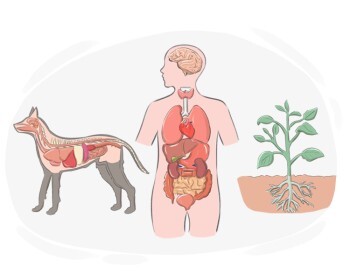
the branch of science that is concerned with the physical structure of humans, animals, or plants

anatomia
Eccelleva nella sua classe di anatomia, affascinata dagli intricati dettagli del corpo umano.

relating to sight or vision
ottico
L'azienda è specializzata nella produzione di apparecchiature ottiche di alta qualità per la ricerca scientifica.

relating to the mouth or structures in and around it
orale
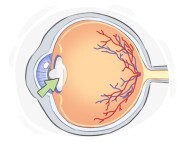
(anatomy) the clear elastic part of the eye that concentrates light in order for things to be seen clearly
obiettivo
Il cristallino dell'occhio focalizza la luce sulla retina, consentendo una visione chiara.
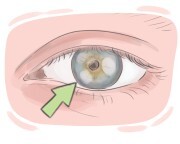
(anatomy) the small round black area in the center of the eye, through which light enters
pupilla
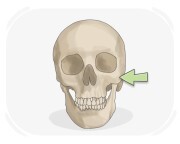
the bone that is just below the eye
zigomo
Ammirava gli zigomi alti di sua nonna, un tratto che sembrava essere di famiglia.

the hard inside surface at the top of the mouth
palato
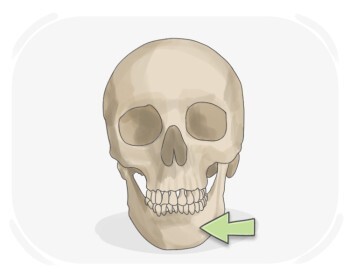
either of the bones that form the jaw, particularly the lower jaw
mandibola
Il movimento di masticazione della mandibola permette la macinazione e la scomposizione del cibo durante la digestione.

any of the temporary teeth in young children that falls out and is later replaced with a permanent one
dente da latte
Il bambino ha esclamato con orgoglio: "Guarda, mamma, mi è caduto il mio dente da latte!" tenendo in mano il dentino.
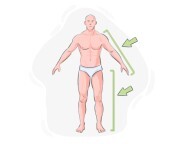
an arm, leg, wing, flipper, or similar jointed appendage of a person or animal
arto, membro

the area at the end of a finger
punta delle dita
Sentì una goccia di pioggia sulla punta del dito, segnalando l'inizio di una leggera pioggerella.

a hand closed tightly with the fingers bent into the palm
pugno
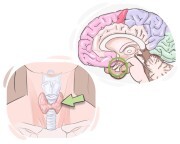
an organ in the body that produces certain chemical substances to be used in the body or to be discharged into the surroundings
ghiandola
Il medico ha prescrito farmaci per stimolare la produzione di insulina da parte della ghiandola pancreatica nel paziente con diabete.

the liquid produced in the mouth to make chewing and swallowing easier and to prepare food for digestion
saliva
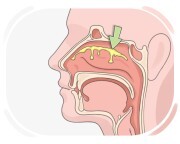
a thick slimy substance produced by mucous membranes, inside the nose or the mouth, to lubricate and protect them
muco

a body hormone produced in case of anger, fear, or excitement that makes the heart beat faster and the body react quicker
adrenalina
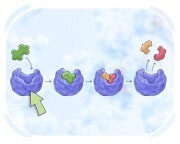
a biological molecule, usually a protein, that speeds up a specific chemical reaction without being consumed in the process
enzima
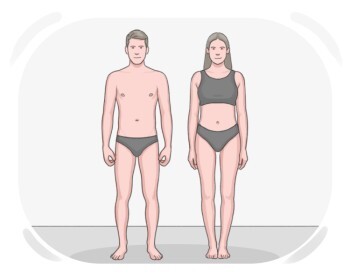
the human body or skin, especially considered as physical rather than spiritual
carne

the upper part of the human body, excluding the arms and the head
torso
L'istruttore di yoga ha guidato la classe in una serie di pose per rafforzare i muscoli del torso e migliorare la stabilità del core.
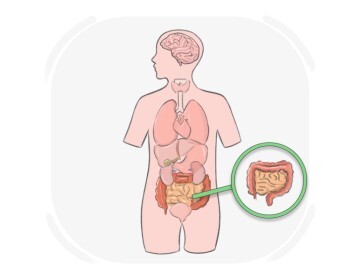
the lower part of digestive tract responsible for food absorption
intestino
Il nutrizionista ha sottolineato l'importanza delle fibre per mantenere un intestino sano e movimenti intestinali regolari.

the round dark area on a person's chest, which from female ones babies can drink milk
capezzolo
Il medico ha esaminato il seno del paziente, notando una secrezione dal capezzolo che richiedeva ulteriori indagini.
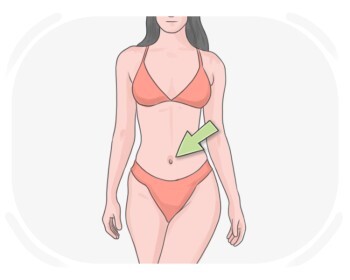
the elevated or empty part in the middle of the stomach, made by cutting the umbilical cord just after birth
ombelico
In alcune culture, l'ombelico è considerato un simbolo di fertilità ed è adornato con gioielli decorativi.
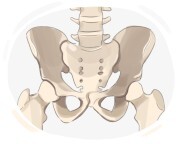
either of the two bones, on each side of the body, forming a large portion of the pelvis
bacino
La figura snella della modella metteva in mostra i suoi prominenti ossa dell'anca, guadagnandole elogi sulla passerella.

the flat area formed by the upper legs of a person who is sitting down
grembo
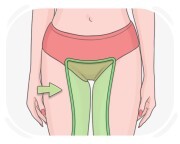
the place where the legs join the front part of the body, including the region of the sex organs
inguine
the external sex organs of the body
genitali
Ha sentito un dolore acuto e improvviso ai genitali dopo essersi colpito accidentalmente con un pallone da calcio.
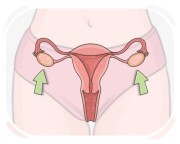
either of the two organs in women or female animals that produce eggs for reproduction
ovaia

the part of the body of a woman or female mammal where the baby develops before birth
utero
La madre cantava ninne nanne al suo bambino non ancora nato, sperando di calmarlo e confortarlo nel grembo.
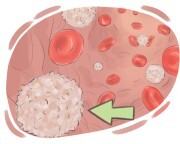
one of the many cells that protects the body against diseases
globuli bianchi
Alcune malattie, come la leucemia, possono causare livelli anormali di globuli bianchi nel flusso sanguigno.
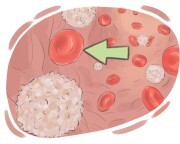
one of the many cells of red color carrying oxygen in the body
globulo rosso
La carenza di ferro può portare a una diminuzione della produzione di globuli rossi, con conseguente affaticamento e debolezza.

a long, thin cell or threadlike structure that forms part of muscle or nervous tissue
fibra

to take air or substances into the lungs by breathing in
inspirare
Inspirò bruscamente quando vide le notizie inaspettate.

to breathe air or smoke out through the mouth or nose
esalare
Il medico le ha chiesto di inspirare e poi di espirare nello spirometro.
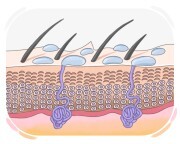
(of a cell, gland, or organ) to produce and release a liquid substance in the body
secernere
Le ghiandole sudoripare secernono il sudore, aiutando a regolare la temperatura corporea.
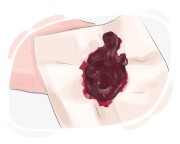
a thickened or dried mass of blood that if formed in a blood vessel may impede blood circulation
coagulo
Si consiglia ai viaggiatori di muoversi regolarmente durante i voli lunghi per ridurre il rischio di sviluppare coaguli di sangue nelle gambe.
a gland in the male body that produces fluid for semen and surrounds the urethra, aiding in urine control
prostata, ghiandola prostatica
L'urologo ha raccomandato una biopsia della prostata per valutare ulteriormente la presenza di cellule anormali all'interno della ghiandola.