
Seznam Slovíček Úrovně C1 - Lidská Anatomie
Zde se naučíte některá anglická slova o anatomii lidského těla, jako jsou "optický", "anatomie", "zornice" atd., připravená pro studenty úrovně C1.
Revize
Kartičky
Pravopis
Kvíz

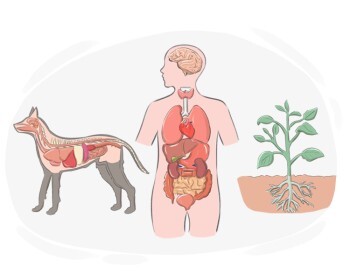
the branch of science that is concerned with the physical structure of humans, animals, or plants

anatomie
Vynikala ve své třídě anatomie, fascinována složitými detaily lidského těla.
relating to sight or vision
optický, vizuální
Společnost se specializuje na výrobu vysoce kvalitních optických zařízení pro vědecký výzkum.

relating to the mouth or structures in and around it
orální, ústní
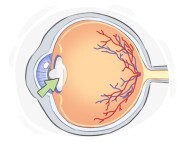
(anatomy) the clear elastic part of the eye that concentrates light in order for things to be seen clearly
čočka, oční čočka
Čočka oka zaostřuje světlo na sítnici, což umožňuje jasné vidění.
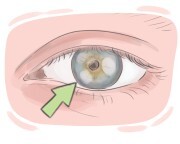
(anatomy) the small round black area in the center of the eye, through which light enters
zornice
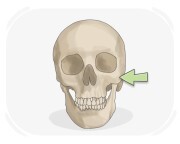
the bone that is just below the eye
lícní kost, kost pod okem
Obdivovala vysoké lícní kosti své babičky, rys, který se zdál být rodinný.

the hard inside surface at the top of the mouth
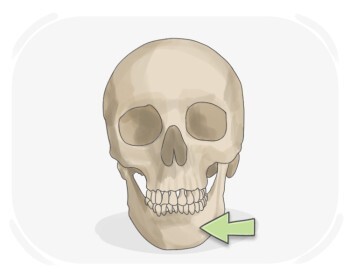
either of the bones that form the jaw, particularly the lower jaw
čelistní kost, dolní čelist
Žvýkací pohyb čelistní kosti umožňuje mletí a rozkládání potravy během trávení.
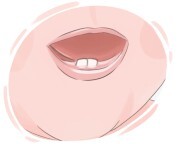
any of the temporary teeth in young children that falls out and is later replaced with a permanent one
mléčný zub, dočasný zub
Batole hrdě zvolalo: "Podívej, mami, můj mléčný zub vypadl!" a drželo malý zub v ruce.
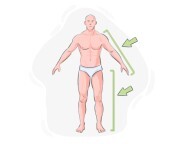
an arm, leg, wing, flipper, or similar jointed appendage of a person or animal
končetina, úd
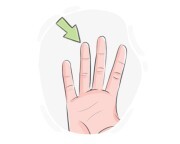
the area at the end of a finger
koneček prstu, špička prstu
Cítila kapku deště na špičce prstu, což signalizovalo začátek lehkého mrholení.

a hand closed tightly with the fingers bent into the palm
pěst, hrst
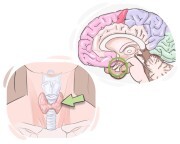
an organ in the body that produces certain chemical substances to be used in the body or to be discharged into the surroundings
žláza, sekretorický orgán
Lékař předepsal léky na stimulaci produkce inzulínu žlázou slinivky břišní u pacienta s diabetem.

the liquid produced in the mouth to make chewing and swallowing easier and to prepare food for digestion
slina
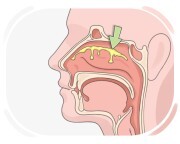
a thick slimy substance produced by mucous membranes, inside the nose or the mouth, to lubricate and protect them
hlen, sliz

a body hormone produced in case of anger, fear, or excitement that makes the heart beat faster and the body react quicker
adrenalin
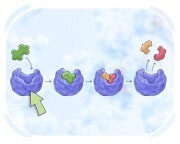
a biological molecule, usually a protein, that speeds up a specific chemical reaction without being consumed in the process
enzym, ferment
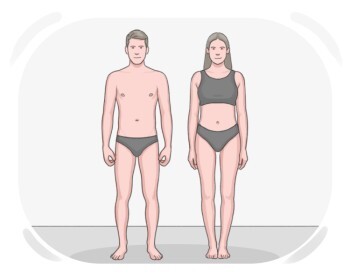
the human body or skin, especially considered as physical rather than spiritual

the upper part of the human body, excluding the arms and the head
trup, horní část těla
Instruktor jógy vedl třídu sérií póz k posílení svalů trupu a zlepšení stability jádra.
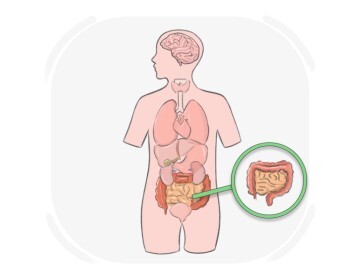
the lower part of digestive tract responsible for food absorption
střevo, břicho

the round dark area on a person's chest, which from female ones babies can drink milk
bradavka, prsní bradavka
Lékař vyšetřil pacientovo prso a zaznamenal výtok z bradavky, který vyžadoval další vyšetření.
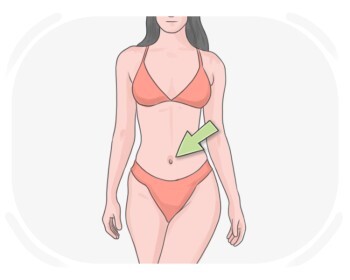
the elevated or empty part in the middle of the stomach, made by cutting the umbilical cord just after birth
pupek, břišní pupík
V některých kulturách je pupek považován za symbol plodnosti a je zdoben dekorativními šperky.
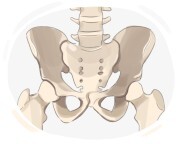
either of the two bones, on each side of the body, forming a large portion of the pelvis
kyčelní kost, kost pánevní
Štíhlá postava modelky ukazovala její výrazné kyčelní kosti, což jí vyneslo uznání na mole.

the flat area formed by the upper legs of a person who is sitting down
klín, lůno
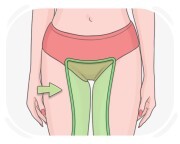
the place where the legs join the front part of the body, including the region of the sex organs
tříslo, rozkrok
the external sex organs of the body
genitálie, pohlavní orgány
Po náhodném zásahu fotbalovým míčem pocítil náhlou ostrou bolest ve svých pohlavních orgánech.
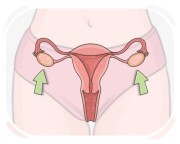
either of the two organs in women or female animals that produce eggs for reproduction
vaječník

the part of the body of a woman or female mammal where the baby develops before birth
děloha, lůno
Matka zpívala ukolébavky svému nenarozenému dítěti, doufajíc, že je uklidní a utěší v lůně.
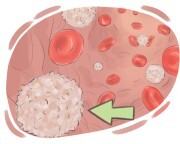
one of the many cells that protects the body against diseases
bílá krvinka, leukocyt
Některá onemocnění, jako je leukémie, mohou způsobit abnormální hladiny bílých krvinek v krevním oběhu.
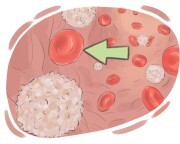
one of the many cells of red color carrying oxygen in the body
červená krvinka, erytrocyt
Nedostatek železa může vést ke snížení produkce červených krvinek, což má za následek únavu a slabost.

a long, thin cell or threadlike structure that forms part of muscle or nervous tissue
vlákno, svalové vlákno

to take air or substances into the lungs by breathing in
vdechovat, nasávat
Když uviděl neočekávané zprávy, prudce se nadechl.

to breathe air or smoke out through the mouth or nose
vydechovat, vypouštět vzduch
Po zadržení dechu pomalu vydechla a uvolnila se.
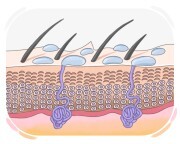
(of a cell, gland, or organ) to produce and release a liquid substance in the body
vylučovat, produkovat
Potní žlázy vylučují pot, což pomáhá regulovat tělesnou teplotu.
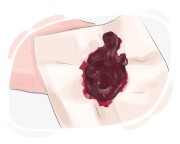
a thickened or dried mass of blood that if formed in a blood vessel may impede blood circulation
krevní sraženina, trombus
Cestujícím se doporučuje pravidelně se pohybovat během dlouhých letů, aby snížili riziko vzniku krevních sraženin v nohách.
a gland in the male body that produces fluid for semen and surrounds the urethra, aiding in urine control
prostata, předstojná žláza
Urolog doporučil biopsii prostaty k dalšímu posouzení přítomnosti abnormálních buněk v žláze.
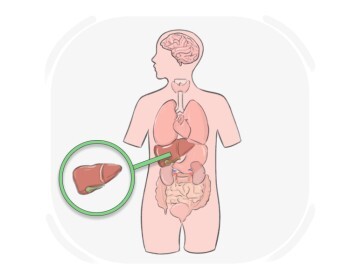
a large organ in the abdomen that performs many metabolic functions, including processing nutrients, producing bile, and removing harmful substances from the blood
játra, játra
