pattern

C1 Level Wordlist - The Human Anatomy

Here you will learn some English words about the anatomy of the human body, such as "optical", "anatomy", "pupil", etc. prepared for C1 learners.

Review

Flashcards

Forms

Spelling

Quiz

Start learning
CEFR C1 Vocabulary
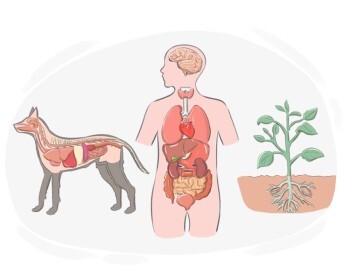
anatomy
anatomy
[noun]

the branch of science that is concerned with the physical structure of humans, animals, or plants
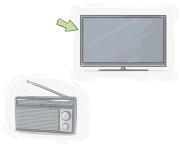
Ex: She excelled in her anatomy class, fascinated by the intricate details of the human body. 
Close
Sign in
optical
optical
[Adjective]

relating to sight or vision

Ex: Optical illusions play tricks on the mind, challenging our perception of reality. 
Close
Sign in
oral
oral
[Adjective]

of or relating to the mouth, mouth region, or structures located in the mouth

Ex: The oral cavity contains the tongue and teeth. 
Close
Sign in
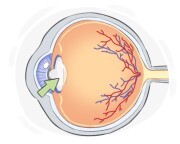
lens
lens
[noun]

(anatomy) the clear elastic part of the eye that concentrates light in order for things to be seen clearly
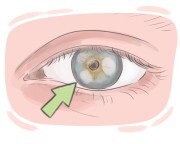
Ex: A healthy diet rich in antioxidants can help maintain the clarity and flexibility of the lens. 
Close
Sign in
pupil
pupil
[noun]

(anatomy) the small round black area in the center of the eye, through which light enters
Ex: The optometrist used a flashlight to examine the dilation of the patient's pupils. 
Close
Sign in
cheekbone
cheekbone
[noun]

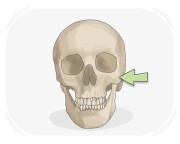
the bone that is just below the eye

Ex: The makeup artist applied highlighter to accentuate the model's cheekbones, creating a sculpted look. 
Close
Sign in
roof of the mouth

the hard inside surface at the top of the mouth
Ex: The dentist examined the patient's palate, the roof of the mouth, for signs of oral abnormalities. 
Close
Sign in
jawbone
jawbone
[noun]

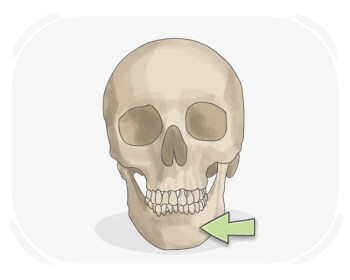
either of the bones that form the jaw, particularly the lower jaw
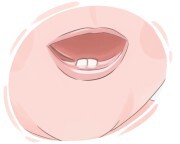
Ex: The boxer's opponent landed a powerful punch to his jawbone, causing him to stagger backward. 
Close
Sign in
baby tooth

any of the temporary teeth in young children that falls out and is later replaced with a permanent one
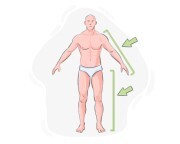
Ex: The child eagerly awaited the arrival of the Tooth Fairy after losing their first baby tooth. 
Close
Sign in
limb
limb
[noun]

an arm or a leg of a person or any four-legged animal, or a wing of any bird

Ex: The athlete injured his limb during the race and had to withdraw from the competition. 
Close
Sign in
fingertip
fingertip
[noun]

the area at the end of a finger

Ex: She carefully touched the delicate flower's petals with her fingertip. 
Close
Sign in
fist
fist
[noun]

the hand with the fingers tightly bent toward the palm

Ex: He clenched his fist tightly in frustration, feeling the anger boiling inside him. 
Close
Sign in
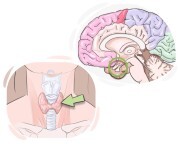
gland
gland
[noun]

an organ in the body that produces certain chemical substances to be used in the body or to be discharged into the surroundings

Ex: The endocrine system includes glands such as the thyroid and adrenal glands, which regulate hormones in the body. 
Close
Sign in
saliva
saliva
[noun]

the liquid produced in the mouth to make chewing and swallowing easier and to prepare food for digestion
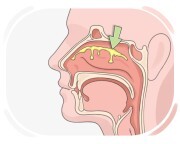
Ex: The mouth produces saliva, which helps to moisten food and initiate the process of digestion. 
Close
Sign in
mucus
mucus
[noun]

a thick slimy substance produced by mucous membranes, inside the nose or the mouth, to lubricate and protect them

Ex: When you have a cold, your body produces excess mucus to help trap and expel harmful viruses and bacteria. 
Close
Sign in
adrenaline

a body hormone produced in case of anger, fear, or excitement that makes the heart beat faster and the body react quicker

Ex: When faced with danger, the body releases adrenaline, triggering the fight-or-flight response. 
Close
Sign in
enzyme
enzyme
[noun]

a substance that all living organisms produce that brings about a chemical reaction without being altered itself

Ex: Enzymes play a crucial role in digestion, breaking down food into smaller molecules that can be absorbed by the body. 
Close
Sign in
flesh
flesh
[noun]

the soft parts of the human body

Ex: She winced as the needle pierced her flesh during the vaccination. 
Close
Sign in
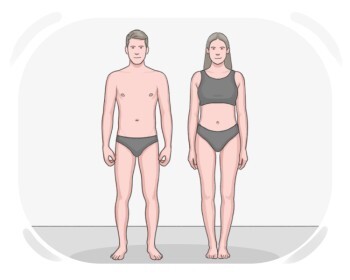
torso
torso
[noun]

the upper part of the human body, excluding the arms and the head
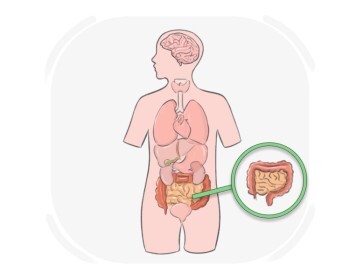
Ex: The artist sculpted a lifelike statue of a human torso, capturing the muscular contours with precision. 
Close
Sign in
gut
gut
[noun]

the lower part of digestive tract responsible for food absorption

Ex: The surgeon made an incision through the abdomen to access the gut during the intestinal surgery. 
Close
Sign in
nipple
nipple
[noun]

the round dark area on a person's chest, which from female ones babies can drink milk
Ex: The baby latched onto the mother's nipple, eagerly nursing for nourishment. 
Close
Sign in
navel
navel
[noun]

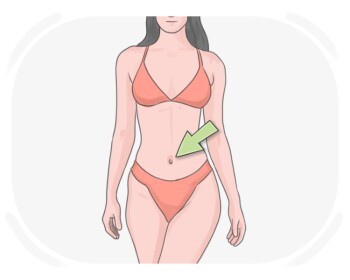
the elevated or empty part in the middle of the stomach, made by cutting the umbilical cord just after birth
Ex: In some cultures, the navel is considered a sacred symbol representing the connection between mother and child. 
Close
Sign in
hipbone
hipbone
[noun]

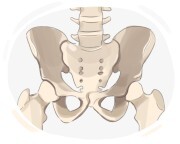
either of the two bones, on each side of the body, forming a large portion of the pelvis

Ex: The dancer's movements accentuated the curve of her hipbones, adding grace to her performance. 
Close
Sign in
lap
lap
[noun]

the upper part of the legs that form a flat surface when one is seated

Ex: She rested her book on her lap, enjoying the warmth of the sun as she read in the garden. 
Close
Sign in
groin
groin
[noun]

the place where the legs join the front part of the body, including the region of the sex organs

Ex: He felt a sharp pain in his groin after pulling a muscle while lifting weights at the gym. 
Close
Sign in
genitals
genitals
[noun]

the external sex organs of the body

Ex: The doctor conducted a thorough examination of the patient's genitals during the routine check-up. 
Close
Sign in
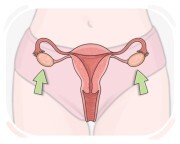
ovary
ovary
[noun]

either of the two organs in women or female animals that produce eggs for reproduction

Ex: The doctor conducted an ultrasound to examine the woman's ovaries for any abnormalities. 
Close
Sign in
womb
womb
[noun]

the part of the body of a woman or female mammal where the baby develops before birth
Ex: The fetus nestled snugly within the safety of the womb, protected and nourished by the mother's body. 
Close
Sign in
white blood cell

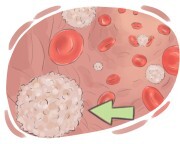
one of the many cells that protects the body against diseases
Ex: White blood cells play a crucial role in the immune system, defending the body against infections and foreign invaders. 
Close
Sign in
red blood cell

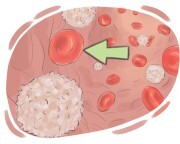
one of the many cells of red color carrying oxygen in the body

Ex: Red blood cells, also known as erythrocytes, are responsible for transporting oxygen from the lungs to tissues throughout the body. 
Close
Sign in
fiber
fiber
[noun]

any strand of muscle or nervous tissues

Ex: The microscopic examination revealed damaged muscle fibers in the injured athlete's thigh. 
Close
Sign in
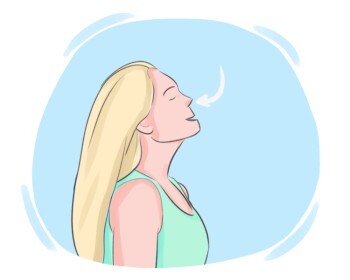
to inhale
to inhale
[Verb]

to take air or substances into the lungs by breathing in
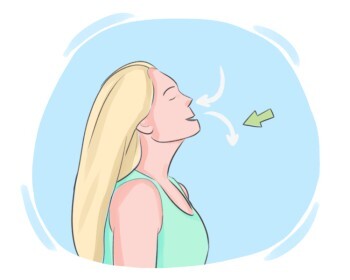
Ex: The swimmer took a deep breath and prepared to inhale before diving into the pool. 
Close
Sign in
to exhale
to exhale
[Verb]

to breathe air or smoke out through the mouth or nose
Ex: After holding her breath, she slowly exhaled and relaxed. 
Close
Sign in
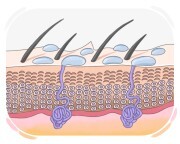
to secrete

(of a cell, gland, or organ) to produce and release a liquid substance in the body
Ex: Salivary glands secrete enzymes that aid in the digestion of food. 
Close
Sign in
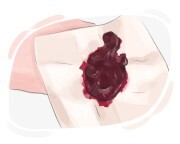
blood clot

a thickened or dried mass of blood that if formed in a blood vessel may impede blood circulation
Ex: A blood clot formed in the artery, causing a blockage and restricting blood flow to the heart muscle. 
Close
Sign in
prostate
prostate
[noun]

a gland in the male body that produces fluid for semen and surrounds the urethra, aiding in urine control

Ex: The prostate is a small, walnut-sized organ located below the bladder and in front of the rectum in men. 
Close
Sign in
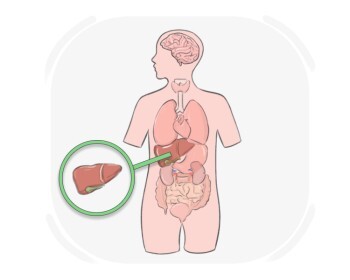
liver
liver
[noun]

a vital organ in the body that cleans the blood of harmful substances

Ex: The liver is responsible for filtering toxins from the bloodstream, helping to detoxify the body and maintain overall health. 
Close
Sign in
LanGeek
Download LanGeek app