pattern

法律と規制 - 裁判手続と訴訟

レビュー

フラッシュカード

語形

綴り

クイズ

学習を開始
Words Related to Law and Regulation
to sue
to sue
[動詞]

to bring a charge against an individual or organization in a law court

訴える, 訴訟を起こす

訴える, 訴訟を起こす

Ex: The dissatisfied customer decided to sue the company for breach of contract. 

不満を持った顧客は、契約違反で会社を訴えることに決めた。

lawsuit
lawsuit
[名詞]

a complaint or claim that someone brings to a law court for settlement

訴訟, 裁判

訴訟, 裁判

Ex: She filed a lawsuit against the company for wrongful termination. 

彼女は不当解雇で会社に対して訴訟を起こした。

case
case
[名詞]

a matter that is to be dealt with in a court of law

事件, 事例

事件, 事例

Ex: The defense attorney requested more time to review the details of the case before proceeding to trial. 

弁護人は、裁判に進む前に事件の詳細を検討するためにもっと時間を要求した。

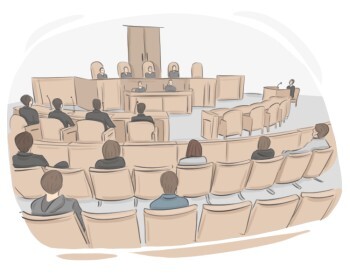
court
court
[名詞]

the place in which legal proceedings are conducted

裁判所, 法廷

裁判所, 法廷

Ex: The attorney presented a compelling case in court. 

弁護士は裁判所で説得力のある事件を提示しました。

family court
family court
[名詞]

a court that decides on family matters such as divorce

家庭裁判所, 家事法院

家庭裁判所, 家事法院

Ex: They had to go to family court to finalize their divorce and settle custody arrangements. 

彼らは離婚を最終化し、親権の取り決めを解決するために家庭裁判所に行かなければならなかった。

court of appeals

a higher court that reviews decisions made by lower courts to determine if there were errors

控訴裁判所, 上訴裁判所

控訴裁判所, 上訴裁判所

Ex: The case was taken to the court of appeals. 

その事件は控訴裁判所に持ち込まれた。

court order
court order
[名詞]

an order given by a judge or court regarding a case

裁判所命令, 法的命令

裁判所命令, 法的命令

Ex: The judge issued a court order requiring the company to cease operations until further notice. 

裁判官は、会社に対してさらなる通知があるまで事業を停止することを要求する裁判所命令を発行しました。

contempt of court

disrespect or disobedience toward a court and its rules

法廷侮辱, 法廷軽視

法廷侮辱, 法廷軽視

Ex: He was charged with contempt of court. 

彼は法廷侮辱の罪で起訴された。

to hear
to hear
[動詞]

(of a court case) to listen, examine, and judge based on the evidence presented, statements given, etc.

聞く, 審理する

聞く, 審理する

Ex: The court will hear the case next week. 

裁判所は来週その事件を審理します。

hearing
hearing
[名詞]

(law) an official gathering in a court of law, especially without the presence of the jury, to find out information about a case and listen to evidence

聴聞, 審理

聴聞, 審理

Ex: The judge scheduled a hearing to review the evidence presented by both parties. 

裁判官は、両当事者から提出された証拠を検討するために審問を予定した。

legal proceeding

an official process in a court of law to settle a legal matter

法的手続き, 訴訟手続き

法的手続き, 訴訟手続き

Ex: The company began legal proceedings against the contractor. 

同社は請負業者に対して法的措置を開始しました。

to represent
to represent
[動詞]

to serve as a legal or business representative

代表する, の代わりに行動する

代表する, の代わりに行動する

Ex: The attorney was hired to represent the client in court and manage their legal affairs. 

弁護士は、裁判所でクライアントを代表し、その法的業務を管理するために雇われました。

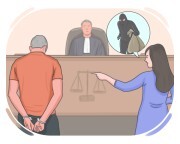
dock
dock
[名詞]

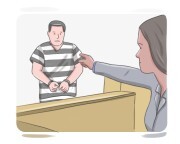
an enclosed area in a courtroom where the defendant sits during trial

被告席, 被告人席

被告席, 被告人席

Ex: The accused waited nervously in the dock. 

被告は被告席で緊張して待っていた。

witness stand

the place in a courtroom where a witness sits to give evidence

証人台, 証人席

証人台, 証人席

Ex: She took the witness stand to tell her story. 

彼女は自分の話をするために証人台に立ちました。

to testify
to testify
[動詞]

to make a statement as a witness in court saying something is true

証言する, 宣誓供述する

証言する, 宣誓供述する

Ex: Witnesses are called to testify about what they saw during the accident. 

事故中に見たことについて証言するために証人が呼ばれます。

to acquit
to acquit
[動詞]

to officially decide and declare in a law court that someone is not guilty of a crime

無罪を言い渡す, 無罪と宣言する

無罪を言い渡す, 無罪と宣言する

Ex: The company was accused of wrongdoing, but after a thorough investigation, they were acquitted of any illegal activities. 

その会社は不正行為で告発されたが、徹底的な調査の後、違法行為のすべてから無罪となった。

appeal
appeal
[名詞]

a legal procedure in which a higher court is asked to review and overturn a lower court's decision

控訴

控訴

Ex: The appeal process can take several months. 

上訴のプロセスには数か月かかることがあります。

appellant
appellant
[名詞]

a person who appeals in a higher court against a decision made in a lower court

上訴人, 控訴人

上訴人, 控訴人

Ex: The appellant filed an appeal after losing the trial. 

控訴人は裁判に負けた後、控訴を申し立てた。

dissent
dissent
[名詞]

a formal statement in which a judge disagrees with the opinion or decision of the majority

反対意見, 少数意見

反対意見, 少数意見

Ex: The justice wrote a powerful dissent challenging the court's reasoning. 

裁判官は、裁判所の論理に挑戦する強力な反対意見を書いた。

to litigate
to litigate
[動詞]

to initiate legal action against another party or person

訴訟を起こす, 争う

訴訟を起こす, 争う

Ex: The company decided to litigate after the breach of contract. 

会社は契約違反の後、訴訟を起こすことを決めた。

litigation
litigation
[名詞]

the formal procedure of resolving disputes through the court system

訴訟, 裁判手続き

訴訟, 裁判手続き

Ex: The company is involved in litigation over patent rights. 

その会社は特許権に関する訴訟に関与している。

plea
plea
[名詞]

(law) a formal statement made by someone confirming or denying their accusation

陳述, 抗弁

陳述, 抗弁

Ex: The defendant entered a plea of not guilty to the charges. 

被告は、起訴内容に対して無罪の答弁を提出しました。

to plead
to plead
[動詞]

to state in a court of law, in front of the judge and the jury, whether someone is guilty or not guilty of a crime

申し立てる

申し立てる

Ex: The defendant pleaded not guilty to the charges of robbery and assault. 

被告は強盗と暴行の罪に対して無罪を主張しました。

trial
trial
[名詞]

a legal process where a judge and jury examine evidence in court to decide if the accused is guilty

裁判, 公判

裁判, 公判

Ex: The trial lasted for several weeks as witnesses testified and evidence was presented. 

裁判は数週間続き、証人が証言し、証拠が提示されました。

pretrial
pretrial
[名詞]

a meeting or process before a trial to plan the case and decide what will be discussed in court

予備審理, 準備手続き

予備審理, 準備手続き

Ex: The lawyers attended a pretrial conference. 

弁護士たちは審理前会議に出席しました。

recess
recess
[名詞]

a short break during a court trial

裁判の休憩, 法廷の休廷

裁判の休憩, 法廷の休廷

Ex: The judge announced a recess for lunch. 

裁判官は昼食のための休憩を発表しました。

to remand
to remand
[動詞]

to send a case back to a court of lower authority for additional reconsideration or review

差し戻す, 戻す

差し戻す, 戻す

Ex: The appellate court remanded the case to the lower court for further proceedings. 

控訴裁判所は、さらなる手続きのために事件を下級裁判所に差し戻した。

jury duty
jury duty
[名詞]

a civic obligation requiring individuals to serve as members of a jury in a court of law

陪審義務, 陪審サービス

陪審義務, 陪審サービス

Ex: She was summoned for jury duty and had to report to the courthouse for potential selection. 

彼女は陪審義務で召喚され、選出の可能性のために裁判所に報告しなければならなかった。

litigant
litigant
[名詞]

(law) a person or party involved in a legal case

訴訟当事者, 訴訟の当事者

訴訟当事者, 訴訟の当事者

Ex: The small business owner found himself as a litigant in a contract dispute with a former partner over the terms of their dissolved agreement. 

その中小企業の所有者は、解散した合意の条件をめぐって元パートナーとの契約紛争で訴訟当事者として自分自身を見出した。
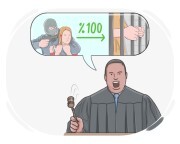
to affirm
to affirm
[動詞]

to confirm a legal decision or judgment

確認する, 承認する

確認する, 承認する

Ex: The court affirmed the previous ruling. 

裁判所は前の判決を確認しました。

count
count
[名詞]

a specific crime someone is accused of

訴因, 容疑

訴因, 容疑

Ex: He faced three counts of theft. 

彼は窃盗の三つの訴因に直面した。

to impeach
to impeach
[動詞]

to formally charge or accuse someone of a crime or misdemeanor

告発する, 非難する

告発する, 非難する

Ex: The police decided to impeach him after they found evidence linking him to the robbery. 

警察は、彼を強盗に関連づける証拠を見つけた後、告発することを決めた。

to issue
to issue
[動詞]

to officially start a legal process against someone, often with a document

発行する, 発布する

発行する, 発布する

Ex: Authorities issued an order to freeze the accounts. 

当局は口座を凍結する命令を発行しました。

LanGeek
LanGeekアプリをダウンロード