


pattern

本 English File - 中上級 - レッスン9A

ここでは、English File Upper Intermediateコースブックのレッスン9Aからの語彙を見つけることができます。例えば、「宣伝」、「訴える」、「輸出」などです。

レビュー

フラッシュカード

語形

綴り

クイズ

学習を開始
English File - Upper Intermediate
to claim
to claim
[動詞]

to say that something is the case without providing proof for it

主張する, 断言する

主張する, 断言する

Ex: The controversial article regularly claims that a UFO sighting occurred last night. 
misleading
misleading
[形容詞]

intended to give a wrong idea or make one believe something that is untrue

誤解を招く, 欺瞞的な

誤解を招く, 欺瞞的な

Ex: The advertisement contained misleading information about the effectiveness of the weight loss product. 
advertisement

any movie, picture, note, etc. designed to promote products or services to the public

広告, 宣伝

広告, 宣伝

Ex: I saw an interesting advertisement about a new Italian restaurant in town. 
brand
brand
[名詞]

the name that a particular product or service is identified with

ブランド, 商標名

ブランド, 商標名

Ex: Apple is known for its innovative products and strong brand identity worldwide. 
publicity
publicity
[名詞]

actions or information that are meant to gain the support or attention of the public

宣伝,  プロモーション

宣伝, プロモーション

Ex: The company used social media publicity to promote its new product, generating buzz before the launch. 
to sue
to sue
[動詞]

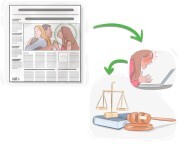
to bring a charge against an individual or organization in a law court

訴える, 訴訟を起こす

訴える, 訴訟を起こす

Ex: The dissatisfied customer decided to sue the company for breach of contract. 
slogan
slogan
[名詞]

a short memorable phrase that is used in advertising to draw people's attention toward something

スローガン, 標語

スローガン, 標語

Ex: The company's slogan "Just Do It" became synonymous with their brand, inspiring millions of athletes worldwide. 
advertising campaign

a coordinated and strategic effort to promote a product, service, or brand using a series of advertisements or marketing messages over a period of time

広告キャンペーン, マーケティングキャンペーン

広告キャンペーン, マーケティングキャンペーン

Ex: The company launched an advertising campaign featuring popular influencers to promote their new line of skincare products. 
consumer
consumer
[名詞]

someone who buys and uses services or goods

消費者, 顧客

消費者, 顧客

Ex: As a consumer, she prefers products that are eco-friendly and sustainable. 
business
business
[名詞]

the activity of providing services or products in exchange for money

ビジネス, 事業

ビジネス, 事業

Ex: Her passion for photography led her to start a business. 
to become
to become
[動詞]

to start or grow to be

なる,  になる

なる, になる

Ex: He's training to become a pilot at a flight school. 
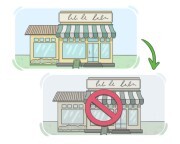
to close down

(of a business, shop, company, etc.) to no longer be open or operating, particularly permanently

永久に閉鎖する, 営業を停止する

永久に閉鎖する, 営業を停止する

Ex: The factory will close down next month. 
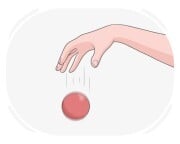
to drop
to drop
[動詞]

to let or make something fall to the ground

落とす, 落下させる

落とす, 落下させる

Ex: Supplies are being dropped for the refugees. 
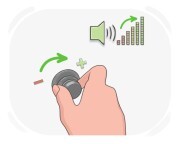
to grow
to grow
[動詞]

to become greater in size, amount, number, or quality

成長する, 増える

成長する, 増える

Ex: The company's profits continue to grow steadily. 
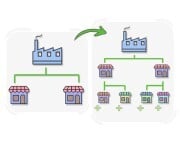
to expand
to expand
[動詞]

to become something greater in quantity, importance, or size

拡大する, 広げる

拡大する, 広げる

Ex: The company's operations expanded rapidly, opening new branches in multiple cities. 
to export
to export
[動詞]

to send goods or services to a foreign country for sale or trade

輸出する, 海外に売る

輸出する, 海外に売る

Ex: The agricultural sector often exports crops and produce to international markets. 
to import
to import
[動詞]

to buy goods from a foreign country and bring them to one's own

輸入する, 外国から買う

輸入する, 外国から買う

Ex: Businesses often import raw materials from other countries for manufacturing. 
to launch
to launch
[動詞]

to start an organized activity or operation

開始する, 立ち上げる

開始する, 立ち上げる

Ex: They plan to launch a marketing campaign to promote the event. 
to manufacture

to produce products in large quantities by using machinery

製造する, 生産する

製造する, 生産する

Ex: The company manufactures electronic devices, such as smartphones and tablets. 
market
market
[名詞]

a public place where people buy and sell groceries

市場, マーケット

市場, マーケット

Ex: He set up a stand at the market to sell homemade jams and preserves. 
to merge
to merge
[動詞]

to combine and create one whole

合併する, 統合する

合併する, 統合する

Ex: The two companies decided to merge, forming a larger and more competitive organization. 
to produce
to produce
[動詞]

to make something using raw materials or different components

生産する,  製造する

生産する, 製造する

Ex: How did you manage to produce a meal so quickly? 
to set up
to set up
[動詞]

to establish a fresh entity, such as a company, system, or organization

設立する, 創設する

設立する, 創設する

Ex: She set up a charity to support underprivileged children in the community. 
to take over
to take over
[動詞]

to begin to be in charge of something, often previously managed by someone else

引き継ぐ, 乗っ取る

引き継ぐ, 乗っ取る

Ex: He hopes to take over the leadership role and guide the team to success. 
new
new
[形容詞]

recently invented, made, etc.

新しい, 新規

新しい, 新規

Ex: The new software update includes several innovative features not seen before. 
product
product
[名詞]

something that is created or grown for sale

製品, 商品

製品, 商品

Ex: The bakery's best-selling product is its freshly baked bread. 
to flop
to flop
[動詞]

to move in a loose, uncontrolled, or erratic manner

ばたつく, もがく

ばたつく, もがく

Ex: The fish flopped around on the deck of the boat after being caught. 
market leader

a specific product that outsells the other products of its kind

市場のリーダー, 主力製品

市場のリーダー, 主力製品

Ex: The brand has maintained its position as the market leader in smartphones, consistently outpacing its competitors in sales. 
head
head
[名詞]

a person in a leadership or authority position within a specific organization or group

頭, リーダー

頭, リーダー

Ex: As the head of marketing, she has many responsibilities. 
office
office
[名詞]

a place where people work, particularly behind a desk

オフィス, 事務所

オフィス, 事務所

Ex: The bustling office in the city center was filled with employees typing away on their computers. 
branch
branch
[名詞]

a store, office, etc. that belongs to a larger business, organization, etc. and is representing it in a certain area

支店, 支社

支店, 支社

Ex: The bank opened a new branch in the city center to better serve its growing customer base. 
boom
boom
[名詞]

a time of great economic growth

ブーム, 経済ブーム

ブーム, 経済ブーム

Ex: During the economic boom of the 1990s, many technology companies flourished and saw unprecedented growth. 
to do
to do
[動詞]

to perform an action that is not mentioned by name

する, 行う

する, 行う

Ex: What are you doing tomorrow? 
to make
to make
[動詞]

to form, produce, or prepare something, by putting parts together or by combining materials

作る, 製作する

作る, 製作する

Ex: The students will make a model of the solar system for the science fair. 
deal
deal
[名詞]

an agreement between two or more parties, typically involving the exchange of goods, services, or property

取引, 契約

取引, 契約

Ex: The two companies signed a lucrative deal to collaborate on a new product line. 
decision
decision
[名詞]

a choice or judgment that is made after adequate consideration or thought

決定, 選択

決定, 選択

Ex: After much deliberation, she finally made the decision to pursue a career in medicine. 
job
job
[名詞]

the work that we do regularly to earn money

仕事, 職業

仕事, 職業

Ex: He enjoys his job because it allows him to be creative. 
loss
loss
[名詞]

the act or process of no longer having someone or something

喪失, 損失

喪失, 損失

Ex: The loss of her keys caused her to be late. 
market research

the act of gathering information about what people need or buy the most and why

市場調査, マーケットリサーチ

市場調査, マーケットリサーチ

Ex: Before launching the new product, the company conducted extensive market research to understand consumer preferences and trends. 
redundant
redundant
[形容詞]

surpassing what is needed or required, and so, no longer of use

冗長な, 不必要な

冗長な, 不必要な

Ex: His position at the company became redundant after the department was restructured. 
well
well
[副詞]

in a way that is right or satisfactory

よく, 正しく

よく, 正しく

Ex: She performed well in the exam, earning top marks. 
badly
badly
[副詞]

in a way that is not satisfactory, acceptable, or successful

ひどく, 不満足な方法で

ひどく, 不満足な方法で

Ex: He performed badly on the exam. 
to [mix] business with pleasure

to combine enjoyable activities with one's work

仕事と楽しみを兼ねる, 仕事ついでに楽しむ

仕事と楽しみを兼ねる, 仕事ついでに楽しむ

Ex: I had a conference in Paris, so I mixed business with pleasure and stayed for the weekend. 
unfinished business

a thing that has not been completed, discussed, or dealt with yet

未完了の業務, 未解決の問題

未完了の業務, 未解決の問題

Ex: After the meeting ended, there was still some unfinished business, and the team had to schedule another session to finalize the details. 
to [mind] {one's} own business

to only concern oneself with one's own private matters and not to interfere in those of others

自分のことだけ気にする, 余計な口出しをしない

自分のことだけ気にする, 余計な口出しをしない

Ex: "Where have you been?" Mind your own business! 
none of {one's} business

used to tell someone that it is not necessary for them to know about something and that they should stop questioning about it

誰にも関係ない, 他人が口を出すことではない

誰にも関係ない, 他人が口を出すことではない

Ex: When asked about her savings, Mary politely replied, "That's none of your business." 
to [mean] business

to be very serious about fulfilling one's intentions

本気である, 冗談ではない

本気である, 冗談ではない

Ex: When she said she would quit if nothing changed, everyone knew she meant business. 
to get down to

to start focusing on and engaging in a task or activity in a serious or determined manner

真剣に取り掛かる, 集中して取り組む

真剣に取り掛かる, 集中して取り組む

Ex: She needed to get down to studying for her final exams. 
to [go] out of business

to cease to exist as a functional company or business due to financial challenges or difficulties

廃業する, 店をたたむ

廃業する, 店をたたむ

Ex: The bookstore went out of business after years of falling sales. 
any
any
[限定詞]

used to say that it does not matter which individual or amount from a group is chosen or referred to

どの, どれでも

どの, どれでも

Ex: You may sit in any chair you like. 
other
other
[形容詞]

being the one that is different, extra, or not included

他の, 異なる

他の, 異なる

Ex: I spent the other half of my salary on groceries. 
LanGeek
LanGeekアプリをダウンロード