pattern

情報と物の管理に関する動詞 - 比較と対比のための動詞

ここでは、「似ている」、「異なる」、「等しい」など、比較と対照を指すいくつかの英語の動詞を学びます。

レビュー

フラッシュカード

語形

綴り

クイズ

学習を開始
Categorized English Verbs of Managing Information and Objects
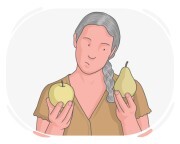
to compare
to compare
[動詞]

to examine or look for the differences between of two or more objects

比較する, 見比べる

比較する, 見比べる

Ex: Before choosing a hotel, it's wise to compare customer reviews online. 
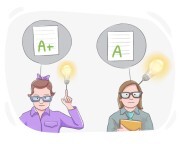
to resemble
to resemble
[動詞]

to be similar to someone or something in appearance, character, or other qualities

似ている,  類似している

似ている, 類似している

Ex: Emma closely resembles her mother, especially around the eyes. 
to pass for
to pass for
[動詞]

to be mistaken or accepted as something or someone else, often because of a resemblance or similarity

として通る, と間違われる

として通る, と間違われる

Ex: With a bit of makeup and the right outfit, she could easily pass for a celebrity. 

少しのメイクと適切な服装で、彼女は簡単に有名人 として通る ことができた。

to approximate

to be similar to something in quality or nature

似ている, 近づく

似ている, 近づく

Ex: Her skills approximate those of a professional artist. 

彼女のスキルはプロのアーティストのそれに近い。

to equal
to equal
[動詞]

to be the same as something in value, meaning, or effect

等しい, 同等である

等しい, 同等である

Ex: In his argument, technological progress equals environmental destruction. 
to tally
to tally
[動詞]

to match something else, showing similarity or consistency

一致する, 符合する

一致する, 符合する

Ex: The witness's description of the suspect's appearance closely tallied with the police sketch. 

目撃者による容疑者の外見の説明は警察のスケッチと密接に一致した。

to equate
to equate
[動詞]

to view or describe something as similar or equal, often suggesting they have equal importance or value

同等と見なす, 同等視する

同等と見なす, 同等視する

Ex: Some people equate wealth with happiness, believing that money brings contentment. 

一部の人々は富を幸福と同等と見なし、お金が満足をもたらすと信じています。

to rival
to rival
[動詞]

to be equal to or compete closely with someone or something in terms of skill, ability, or performance

競う, 張り合う

競う, 張り合う

Ex: The quality of their product rivaled that of the leading brand. 
to parallel
to parallel
[動詞]

to match something closely, suggesting similarity or equivalence

並行する, 同等にする

並行する, 同等にする

Ex: Her artwork often parallels the style of famous painters from the Renaissance era. 
to liken
to liken
[動詞]

to compare or represent something as similar to something else

比較する, 例える

比較する, 例える

Ex: The author often likens the struggle of the protagonist to that of a mythical hero facing great challenges. 

著者はしばしば主人公の苦闘を、大きな挑戦に直面する神話の英雄のそれに例える。
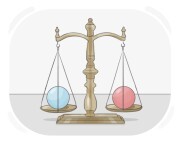
to correspond

to agree or be consistent with something else

一致する,  対応する

一致する, 対応する

Ex: The witness's account corresponds with the available evidence. 
to match
to match
[動詞]

to be the same as or similar to something else

一致する, 匹敵する

一致する, 匹敵する

Ex: His tie perfectly matched his suit. 
to match up
to match up
[動詞]

(of information) to align or correspond, indicating accuracy or reliability

一致する, 符合する

一致する, 符合する

Ex: The witness's account of the crime scene matches up with the police report. 

犯罪現場の目撃者の証言は警察の報告書と一致する。

to conform
to conform
[動詞]

to correspond closely with or be consistent with something

一致する,  従う

一致する, 従う

Ex: The results conform closely to our original predictions. 
to blend in
to blend in
[動詞]

to match well with the environment and become a part of the surroundings

溶け込む, 調和する

溶け込む, 調和する

Ex: The detective needed to blend in with the crowd to observe discreetly. 

探偵は目立たずに観察するために 群衆に溶け込む 必要があった。

to fit in
to fit in
[動詞]

to be socially fit for or belong within a particular group or environment

周囲になじむ, 社会的にその環境になじむ

周囲になじむ, 社会的にその環境になじむ

Ex: Moving to a new school can be challenging, but she quickly found a way to fit in with her classmates. 

新しい学校に引っ越すのは大変かもしれませんが、彼女はすぐにクラスメートと打ち解ける方法を見つけました。

to sound
to sound
[動詞]

to give the impression of or appear as if something is a particular way or possesses specific qualities

聞こえる, 思われる

聞こえる, 思われる

Ex: That sounds an interesting book to read. 
to seem
to seem
[動詞]

to appear to be or do something particular

思われる, 見える
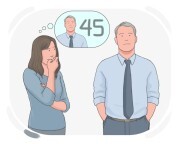
思われる, 見える

Ex: Choose whichever path seems right for you. 
to look
to look
[動詞]

to have a particular appearance or give a particular impression

見える, 見た目がする

見える, 見た目がする

Ex: What does your new car look like? 
to appear
to appear
[動詞]

to seem as if someone or something is being or doing a particular thing

見える, 思われる
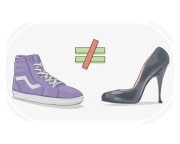
見える, 思われる

Ex: The new employee appeared nervous during the interview. 
to differ
to differ
[動詞]

to be different from something or someone

異なる, 違う

異なる, 違う

Ex: His opinion on the matter differs significantly from that of his colleagues. 
to differentiate

to recognize the difference present between two people or things

区別する, 見分ける

区別する, 見分ける

Ex: Can you please differentiate between the symptoms of flu and those of a common cold? 
to contrast
to contrast
[動詞]

to compare two people or things so that their differences are noticeable

対比する
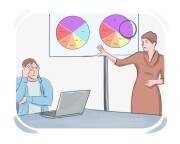
対比する

Ex: The two leaders were contrasted in terms of their political views. 
to collate
to collate
[動詞]

to compare different pieces of information and examine them to find their differences

比較する, 照合する

比較する, 照合する

Ex: I need some time to collate the data from the surveys and compare the responses to identify any trends or patterns. 

調査からのデータを比較し、回答を比較して傾向やパターンを特定するには、少し時間が必要です。
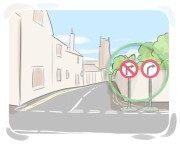
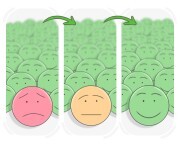
to contradict

(of pieces of evidence, facts, statements, etc.) to be opposite or very different in a way that it is impossible for all to be true at the same time

矛盾する

矛盾する

Ex: The witness's testimony contradicted the forensic evidence presented in court, leading to doubts about the accuracy of the case. 

証人の証言は、法廷で提示された法医学的証拠と矛盾し、事件の正確性について疑問を投げかけた。
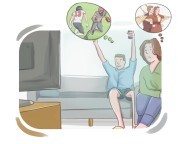
to conflict
to conflict
[動詞]

(of two ideas, opinions, etc.) to oppose each other

対立する,  衝突する

対立する, 衝突する

Ex: Can you please explain why your statement conflicts with the information provided in the textbook? 
to clash
to clash
[動詞]

to be incompatible or in conflict because of important differences

食い違う,  衝突する

食い違う, 衝突する

Ex: His account clashes with what the other witness described. 
to vary
to vary
[動詞]

to differ or deviate from a standard or expected condition

異なる, 変化する

異なる, 変化する

Ex: The results of the experiment vary significantly from the predicted outcomes, indicating unexpected factors at play. 
to stand out
to stand out
[動詞]

to be prominent and easily noticeable

よく目立つ, 周囲から際立つ

よく目立つ, 周囲から際立つ

Ex: The glowing neon sign made the cafe stand out among the other businesses on the street. 

輝くネオンサインが、そのカフェを通りの他の店の中でも目立たせた。

LanGeek
LanGeekアプリをダウンロード