pattern

Verbs of Managing Information and Objects - Verbs for Comparison and Contrast

Here you will learn some English verbs referring to comparison and contrast such as "resemble", "differ", and "equal".

Review

Flashcards

Forms

Spelling

Quiz
Start learning
Categorized English Verbs of Managing Information and Objects
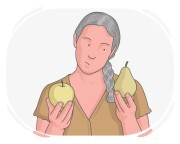
to compare

to examine or look for the differences between of two or more objects

Ex: She literally took an hour comparing prices before making a purchase. 
Close
Sign in
to resemble

to have a similar appearance or characteristic to someone or something else

Ex: The two sisters closely resemble each other, sharing the same eyes and smile. 
Close
Sign in
to pass for

to be mistaken or accepted as something or someone else, often because of a resemblance or similarity

Ex: With a bit of makeup and the right outfit, she could easily pass for a celebrity. 
Close
Sign in
to approximate

to be similar to something in quality or nature

Ex: Her skills approximate those of a professional artist. 
Close
Sign in
to equal
to equal
[Verb]

to be the same as something in value, meaning, or effect

Ex: For many, success equals hard work and determination. 
Close
Sign in
to tally
to tally
[Verb]

to match something else, showing similarity or consistency

Ex: The witness's description of the suspect's appearance closely tallied with the police sketch. 
Close
Sign in
to equate
to equate
[Verb]

to view or describe something as similar or equal, often suggesting they have equal importance or value
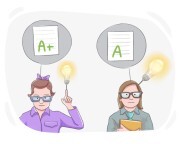
Ex: Some people equate wealth with happiness, believing that money brings contentment. 
Close
Sign in
to rival
to rival
[Verb]

to be equal to or compete closely with someone or something in terms of skill, ability, or performance

Ex: The new smartphone model aims to rival its competitors in terms of features and performance. 
Close
Sign in
to parallel

to match something closely, suggesting similarity or equivalence

Ex: The new software update aims to parallel the functionality of its competitor's product. 
Close
Sign in
to liken
to liken
[Verb]

to compare or represent something as similar to something else
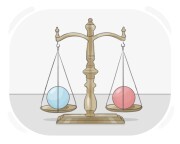
Ex: The author often likens the struggle of the protagonist to that of a mythical hero facing great challenges. 
Close
Sign in
to correspond

to match or be similar to something else

Ex: The data collected from the experiment closely corresponds to the predictions made by the scientific model. 
Close
Sign in
to match
to match
[Verb]

to be the same as or similar to something else

Ex: His skills in tennis match those of a professional player. 
Close
Sign in
to match up

(of information) to align or correspond, indicating accuracy or reliability

Ex: The witness's account of the crime scene matches up with the police report. 
Close
Sign in
to conform

to be similar to or in accordance with something

Ex: The new design of the product conforms to the latest industry trends and consumer preferences. 
Close
Sign in
to blend in

to match well with the environment and become a part of the surroundings
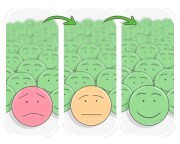
Ex: The detective needed to blend in with the crowd to observe discreetly. 
Close
Sign in
to fit in
to fit in
[Verb]

to be socially fit for or belong within a particular group or environment
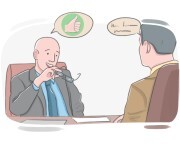
Ex: Moving to a new school can be challenging, but she quickly found a way to fit in with her classmates. 
Close
Sign in
to sound
to sound
[Verb]

to give the impression of or appear as if something is a particular way or possesses specific qualities
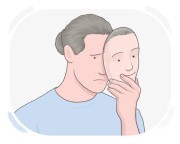
Ex: That sounds an exciting adventure to embark on. 
Close
Sign in
to seem
to seem
[Verb]

to appear to be or do something particular
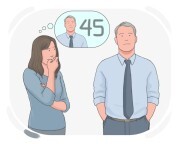
Ex: Choose whichever path seems right for you. 
Close
Sign in
to look
to look
[Verb]

to have a particular appearance or give a particular impression

Ex: What does your new car look like? 
Close
Sign in
to appear
to appear
[Verb]

to seem as if someone or something is being or doing a particular thing
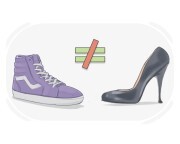
Ex: She appears upset about something, judging by the frown on her face. 
Close
Sign in
to differ
to differ
[Verb]

to be different from something or someone

Ex: His opinion on the matter differs significantly from that of his colleagues. 
Close
Sign in
to differentiate

to recognize the difference present between two people or things

Ex: The teacher helps her students differentiate between similar-sounding words by highlighting their distinct meanings and usage. 
Close
Sign in
to contrast

to compare two people or things so that their differences are noticeable
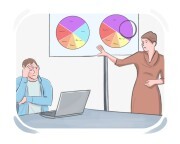
Ex: She is currently contrasting the different approaches to problem-solving. 
Close
Sign in
to collate

to compare different pieces of information and examine them to find their differences
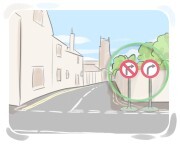
Ex: I need some time to collate the data from the surveys and compare the responses to identify any trends or patterns. 
Close
Sign in
to contradict

(of pieces of evidence, facts, statements, etc.) to be opposite or very different in a way that it is impossible for all to be true at the same time
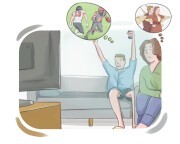
Ex: The witness's testimony contradicted the forensic evidence presented in court, leading to doubts about the accuracy of the case. 
Close
Sign in
to conflict

(of two ideas, opinions, etc.) to oppose each other

Ex: His personal beliefs often conflict with the principles of his profession, leading to internal struggles. 
Close
Sign in
to clash
to clash
[Verb]

to be different from each other, resulting in incompatibility or disagreement

Ex: Their personalities clash, as they have opposing views on almost every topic. 
Close
Sign in
to vary
to vary
[Verb]

to differ or deviate from a standard or expected condition

Ex: The results of the experiment vary significantly from the predicted outcomes, indicating unexpected factors at play. 
Close
Sign in
to stand out

to be prominent and easily noticeable

Ex: The glowing neon sign made the cafe stand out among the other businesses on the street. 
Close
Sign in
LanGeek
Download LanGeek app