


pattern

'Off'および'In'を使用した句動詞 - 制限、抑圧または害 (In)

レビュー

フラッシュカード

語形

綴り

クイズ

学習を開始
Phrasal Verbs With 'Off' & 'In'
to bring in
to bring in
[動詞]

(of law enforcers) to arrest someone and take them to the police station

連れてくる, 警察署に連行する

連れてくる, 警察署に連行する

Ex: The officers brought the captured suspect in during the early hours. 

警官は早朝に逮捕された容疑者を連れてきた

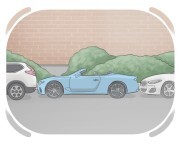
to box in
to box in
[動詞]

to physically confine or surround a person or thing so closely that they cannot move away or escape

包囲する, 閉じ込める

包囲する, 閉じ込める

Ex: The team strategically boxed the opponents in during the game. 

チームは試合中に戦略的に相手を包囲した

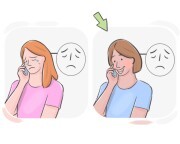
to keep in
to keep in
[動詞]

to suppress one's emotions or feelings

抑える, こらえる

抑える, こらえる

Ex: She tried to keep in her frustration and not show it to her team. 

彼女は自分のフラストレーションを抑え、チームに見せないようにした。

to run in
to run in
[動詞]

to take someone suspected of a crime or violation into custody, typically by law enforcement

逮捕する, 拘束する

逮捕する, 拘束する

Ex: The police had to run in the suspect after a high-speed chase. 

警察は高速チェイスの後、容疑者を拘束しなければならなかった。

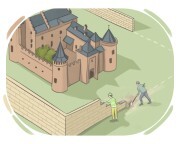
to shut in
to shut in
[動詞]

to encircle something entirely from all sides

囲む, 取り囲む

囲む, 取り囲む

Ex: She shut the garden in with a beautiful hedge. 

彼女は美しい生垣で庭を囲んだ

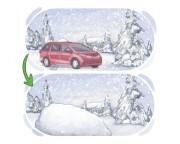
to snow in
to snow in
[動詞]

to make something, such as an area, a vehicle, or a structure, impossible or difficult to use or enter due to a significant amount of snow

雪に埋める, 雪で封鎖する

雪に埋める, 雪で封鎖する

Ex: In the mountainous areas, it's not uncommon for certain passes to snow in, making them inaccessible for periods of time. 

山岳地帯では、特定の峠が雪で閉ざされることが珍しくなく、一時的にアクセス不能になることがあります。

to stay in
to stay in
[動詞]

to remain inside a place, typically one's home, and not go outside for a period of time due to reasons such as illness, personal preference, or safety

家にいる, 屋内に留まる

家にいる, 屋内に留まる

Ex: The pet owner stayed in with her pets, providing them comfort and attention during a thunderstorm. 

ペットの飼い主は雷雨の間、ペットと一緒に家の中に留まり、彼らに快適さと注意を提供しました。

to hold in
to hold in
[動詞]

to suppress the expression of one's feelings

抑える, こらえる

抑える, こらえる

Ex: Despite her disappointment, she held her frustration in. 

失望にもかかわらず、彼女は自分の欲求不満を抑えた

to lock in
to lock in
[動詞]

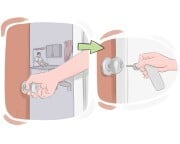
to shut someone or oneself in a place by locking the door

閉じ込める, 自分を閉じ込める

閉じ込める, 自分を閉じ込める

Ex: During the storm, they locked themselves in the cabin for safety. 

嵐の間、彼らは安全のためにキャビンに閉じこもりました

to do in
to do in
[動詞]

to murder someone

殺す, 始末する

殺す, 始末する

Ex: In the crime novel, the antagonist plotted to do in the main character to eliminate the threat. 

犯罪小説では、敵対者が主人公を殺す計画を立てて脅威を排除しました。

to fall in
to fall in
[動詞]

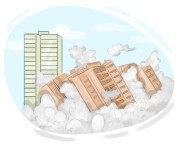
to collapse under pressure, often due to structural weakness

崩れる, 陥没する

崩れる, 陥没する

Ex: The old well, weakened by erosion, finally fell in after a heavy rainstorm. 

浸食によって弱くなった古い井戸は、激しい雨の後に最終的に崩壊しました

to cave in
to cave in
[動詞]

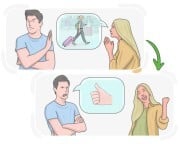
to finally agree to something, even if one were against it at first

折れる, 屈服する

折れる, 屈服する

Ex: After hours of debate, they caved in and accepted the proposal. 

何時間もの議論の末、彼らは折れて提案を受け入れた。

to rub in
to rub in
[動詞]

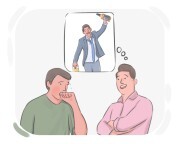
to insistently bring up a sensitive topic in conversation, causing discomfort to the person being discussed

傷口に塩を塗る, 敏感な話題をしつこく持ち出す

傷口に塩を塗る, 敏感な話題をしつこく持ち出す

Ex: Please avoid rubbing in the embarrassing incident from last night; he's embarrassed enough as it is. 

昨夜の恥ずかしい出来事を擦り込むのは避けてください;彼はもう十分に恥ずかしい思いをしています。

LanGeek
LanGeekアプリをダウンロード