

언어적 행동의 동사 - 부정적인 의사소통을 위한 동사

여기에서는 "모욕하다", "자랑하다", "험담하다"와 같은 부정적인 의사 소통을 나타내는 몇 가지 영어 동사를 배우게 됩니다.

review-disable

리뷰

flashcard-disable

플래시카드

spelling-disable

철자법

quiz-disable

퀴즈

학습 시작
언어적 행동의 동사
to offend [동사]
اجرا کردن

모욕하다

Ex: The controversial decision of the company to cut bonuses deeply offended the employees .

회사의 논란이 되는 보너스 삭감 결정은 직원들을 깊이 모욕했습니다.

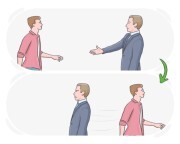
to insult [동사]
اجرا کردن

모욕하다

Ex: Making fun of someone 's accent can be hurtful and is likely to insult them .

누군가의 악센트를 놀리는 것은 상처를 줄 수 있으며 그들을 모욕할 가능성이 있습니다.

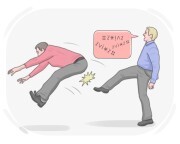
to affront [동사]
اجرا کردن

모욕하다

Ex: The sarcastic tone of his response did not go unnoticed and managed to affront his colleagues .

그의 답변의 냉소적인 어조는 눈에 띄지 않았고 동료들을 모욕하는 데 성공했다.

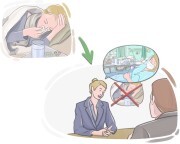
to slight [동사]
اجرا کردن

경시하다

Ex: He chose to slight his colleague by not acknowledging the hard work she had put into the project .

그는 그녀가 프로젝트에 기울인 노력을 인정하지 않음으로써 동료를 경시하기로 선택했다.

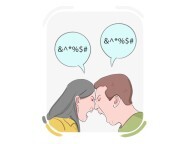
to curse [동사]
اجرا کردن

욕하다

Ex: The heated argument caused both parties to curse at each other , escalating the conflict .

격렬한 논쟁으로 양측이 서로를 욕하며, 갈등이 고조되었다.

to swear [동사]
اجرا کردن

욕하다

Ex: Upset by the news , she could n't help but swear under her breath .

소식에 화가 난 그녀는 혼잣말로 을 할 수밖에 없었다.

to cuss [동사]
اجرا کردن

욕하다

Ex: After losing the friendly card game , the good-natured friends started to cuss at each other in a teasing manner .

친선 카드 게임에서 진 후, 성격이 좋은 친구들은 장난스럽게 서로 욕하기 시작했습니다.

to boast [동사]
اجرا کردن

자랑하다

Ex: At the family reunion , the proud grandmother could n't resist boasting about her grandchildren 's academic accomplishments and talents .

가족 모임에서 자랑스러운 할머니는 손자들의 학업 성취와 재능에 대해 자랑하지 않을 수 없었습니다.

to brag [동사]
اجرا کردن

자랑하다

Ex: The student could n't resist bragging about the high score on the challenging exam .

학생은 도전적인 시험에서 높은 점수에 대해 자랑하지 않을 수 없었다.

to crow [동사]
اجرا کردن

자랑하다

Ex: The author took every opportunity to crow about the positive reviews and high sales of their latest book .

저자는 그들의 최신 책에 대한 긍정적인 리뷰와 높은 판매량에 대해 자랑하기 위해 모든 기회를 잡았다.

اجرا کردن

자랑하다

Ex: Instead of quietly proving his point , he chose to gasconade about his intelligence during the class discussion .

조용히 자신의 주장을 증명하는 대신, 그는 수업 토론 중 자신의 지능에 대해 자랑하기로 선택했다.

اجرا کردن

과장하다

Ex: Do n't believe everything he says ; he has a habit of exaggerating the challenges he faces .

그가 말하는 모든 것을 믿지 마세요; 그는 자신이 직면한 도전을 과장하는 습관이 있습니다.

اجرا کردن

자랑하다

Ex: She tends to rodomontade about her accomplishments , making it difficult for anyone to have a genuine conversation with her .

그녀는 자신의 성과에 대해 자랑하는 경향이 있어 누구와도 진정한 대화를 나누기 어렵게 만듭니다.

اجرا کردن

과장하다

Ex: The comedian was known for his ability to hyperbolize everyday situations , making them hilariously absurd in his routines .

그 코미디언은 일상적인 상황을 과장하는 능력으로 유명했으며, 그의 공연에서 그 상황들을 매우 우스꽝스럽게 만들었다.

to oversell [동사]
اجرا کردن

과대평가하다

Ex: The enthusiastic salesperson had a tendency to oversell the benefits of the product , leading to customer dissatisfaction .

열정적인 판매원은 제품의 이점을 과장해서 판매하는 경향이 있어 고객 불만을 초래했습니다.

اجرا کردن

과장하다

Ex: The news article aimed to present the facts objectively and not overstate the impact of the recent events .

그 뉴스 기사는 사실을 객관적으로 제시하고 최근 사건의 영향을 과장하지 않는 것을 목표로 했습니다.

to play up [동사]
اجرا کردن

강조하다

Ex: He plays up his connections to make himself seem more influential .

그는 자신을 더 영향력 있는 사람으로 보이기 위해 자신의 연결을 강조한다.

to gossip [동사]
اجرا کردن

가십을 퍼뜨리다

Ex: The group of friends spent hours gossiping about the latest celebrity scandals and gossip .

친구 그룹은 최근 유명인의 스�들과 가십에 대해 몇 시간 동안 수다를 떨었습니다.

to talk [동사]
اجرا کردن

험담하다

Ex: She did n't want to post anything on social media because she knew people would talk .

그녀는 사람들이 이야기할 것을 알았기 때문에 소셜 미디어에 아무것도 게시하고 싶지 않았습니다.

to muckrake [동사]
اجرا کردن

폭로하다

Ex:

그 잡지는 다양한 영향력 있는 기업들의 윤리적 결함을 밝히는 먹크레이킹에 대한 헌신으로 유명해졌습니다.

to tattle [동사]
اجرا کردن

고자질하다

Ex: The neighbor had a habit of tattling about others ' activities , pointing out perceived missteps in an attempt to stay informed .

그 이웃은 다른 사람들의 활동에 대해 고자질하는 습관이 있었고, 정보를 얻기 위해 인지된 실수를 지적했습니다.