
Książka Solutions - Zaawansowany - Jednostka 2 - 2F
Tutaj znajdziesz słownictwo z Unit 2 - 2F w podręczniku Solutions Advanced, takie jak "aliteracja", "komnata", "poważność" itp.
Przegląd
Fiszki
Pisownia
Test

the use of the same letter or sound at the beginning of the words in a verse or sentence, used as a literary device

aliteracja
Pisarze używają aliteracji, aby poprawić nastrój i ton swojego pisania.
a comparison between two different things, done to explain the similarities between them
analogia
the use of similar vowels close to each other in nonrhyming syllables as a literary device
asonans, powtórzenie samogłosek
Powtarzanie dźwięków samogłosek w jego przemowie wykazało jego użycie asonansu.
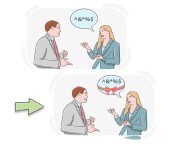
a word or expression that is used instead of a harsh or insulting one in order to be more tactful and polite
eufemizm, łagodzące wyrażenie
Firmy często używają eufemizmu 'redukcja zatrudnienia' zamiast 'zwolnienia', aby opisać proces zmniejszania liczby pracowników.
a technique used in speech and writing to exaggerate the extent of something
hiperbola, przesada
W reklamie produkt został opisany za pomocą hiperboli, twierdząc, że może "zmienić twoje życie" po jednym użyciu.
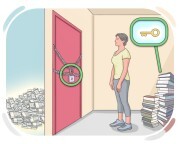
a figure of speech in which a word or expression is used to describe something by implying a comparison with something else
metafora, przenośnia
a word that mimics the sound it represents
onomatopeja, słowo naśladujące dźwięk
Literatura dziecięca często używa onomatopei, aby zaangażować młodych czytelników.
a literary device where human qualities or characteristics are attributed to non-human entities, objects, or ideas
uosobienie, wcielenie
Nauczyła swoich uczniów, jak personifikacja poprawia obrazowanie w pisaniu.
a word or phrase that compares two things or people, highlighting the similarities, often introduced by 'like' or 'as'
porównanie, podobieństwo
Porównanie "jak ryba bez wody" oddaje poczucie wyobcowania i dyskomfortu protagonisty w nieznanym otoczeniu.

a private room that is mostly used as bedroom
komnata, sypialnia
a physical feeling or perception produced by stimulation of the body or a sense organ
wrażenie, czucie
immediately or without delay

having a curve or inclination in a specific direction
zgięty, pochylony
Łodyga kwiatu była zgięta, przez co kwiat opadł.
exceptionally unique or noticeably different from the norm in a good way
wyjątkowy, unikalny
Jego wyjątkowe podejście do przywództwa przekształciło firmę.
the attribute of color that distinguishes one color from another based on its position in the color spectrum or wheel
odcień, ton
Każdy odcień w tęczy płynnie przechodził w następny.
to willingly accept or welcome someone or something into one's home or surroundings
przyjmować, witać
to do what one wants or desires, without worrying about the opinions or desires of others
robić, co się chce

to experience a sense of awe or admiration for something
zachwycać się, podziwiać
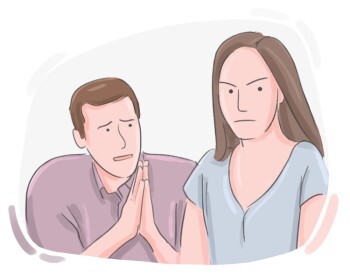
to ask someone for something very earnestly or pleadingly
błagać, prosić
the quality of being serious, sincere, and focused in attitude or behavior
poważanie, szczerość
Poważność studenta w poszukiwaniu wiedzy była widoczna w jego pytaniach.
to move in a secretive or sneaky manner
przekradać się, przemykać się
