pattern

Słownictwo do IELTS Academic (Wynik 5) - Wojna

Tutaj nauczysz się niektórych angielskich słów związanych z wojną, które są niezbędne do podstawowego akademickiego egzaminu IELTS.

Przegląd

Fiszki

formy

Pisownia

Test

Zacznij naukę
Vocabulary for IELTS Academic (Band 5)
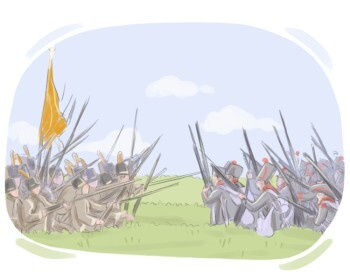
battle
battle
[Rzeczownik]

a fight between opposing armed forces, particularly during a war

bitwa, walka
bitwa, walka

Ex: The decisive battle changed the course of the war. 
combat
combat
[Rzeczownik]

armed fighting between opposing forces, especially during a war

walka,  bój

walka, bój

Ex: The unit was trained for close combat in difficult terrain. 
captain
captain
[Rzeczownik]

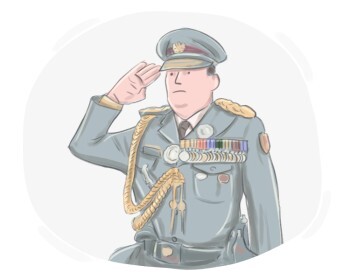
a military officer with a rank above that of a lieutenant and below that of a major

kapitan, dowódca
kapitan, dowódca

Ex: The captain led his platoon through the dangerous terrain. 
commander
commander
[Rzeczownik]

an officer who is in charge of a military unit, force, or operation

dowódca,  komendant

dowódca, komendant

Ex: Daniel served as commander of the military base for two years. 
cavalry
cavalry
[Rzeczownik]

a group of soldiers in an army who fight by armored vehicles

kawaleria, wojska pancerne

kawaleria, wojska pancerne

Ex: The cavalry's tanks were essential in securing the front line. 

Czołgi kawalerii były niezbędne do zabezpieczenia linii frontu.

general
general
[Rzeczownik]

a high-ranking officer in the army, air force, or marines

generał

generał

Ex: The general addressed the troops, outlining the strategy for the upcoming campaign with confidence and clarity. 
tactics
tactics
[Rzeczownik]

the art or science of employing military forces and strategies in order to achieve victory over an enemy

taktyki, strategie

taktyki, strategie

Ex: The navy's tactics were very effective in destroying the enemy's fleet. 

Taktyka marynarki była bardzo skuteczna w niszczeniu floty wroga.

resistance
resistance
[Rzeczownik]

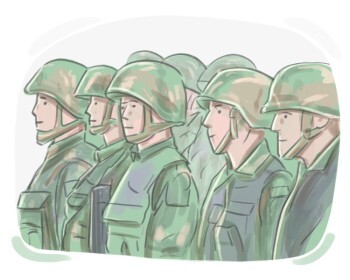
military action taken to oppose or prevent an enemy's advance

opór, sprzeciw
opór, sprzeciw

Ex: The troops organized fierce resistance at the border. 
army
army
[Rzeczownik]

a country's military force trained to fight on land

armia, wojska lądowe

armia, wojska lądowe

Ex: The army conducted exercises to improve its combat readiness. 
spy
spy
[Rzeczownik]

a person who secretly collects information about another country, organization, or group, especially for a government

szpieg,  agent

szpieg, agent

Ex: Authorities arrested a spy who had been passing military information abroad. 
war zone
war zone
[Rzeczownik]

a region in which a war is taking place

strefa wojny, obszar konfliktu

strefa wojny, obszar konfliktu

Ex: The city turned into a war zone after the invasion began. 

Miasto zamieniło się w strefę wojny po rozpoczęciu inwazji.

front line
front line
[Rzeczownik]

the area where opposing forces meet or engage, often in a military conflict

linia frontu, pierwsza linia

linia frontu, pierwsza linia

Ex: The soldiers took their positions along the front line, preparing for the imminent attack. 

Żołnierze zajęli swoje pozycje wzdłuż linii frontu, przygotowując się do nadchodzącego ataku.
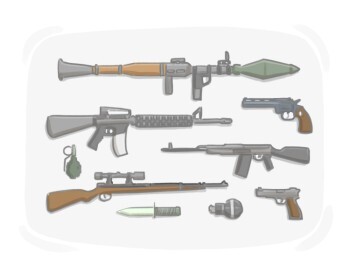
weapon
weapon
[Rzeczownik]

an object that can physically harm someone or something, such as a gun, bomb, knife, etc.

broń, uzbrojenie
broń, uzbrojenie

Ex: The soldier carried a rifle as his primary weapon during combat. 
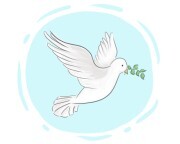
peace
peace
[Rzeczownik]

a period or state where there is no war or violence

pokój
pokój

Ex: After years of conflict, the region finally experienced a period of lasting peace and stability. 
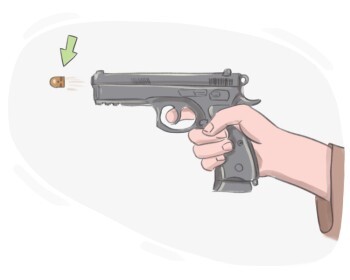
bullet
bullet
[Rzeczownik]

a small metal projectile designed to be fired from a firearm

kula,  pocisk

kula, pocisk

Ex: A stray bullet shattered the shop window. 
colonization
colonization
[Rzeczownik]

the act of taking control of another country and sending people to settle there

kolonizacja

kolonizacja

Ex: Historians debate the long-term impacts of colonization on global economies. 

Historycy dyskutują o długoterminowych skutkach kolonizacji dla globalnych gospodarek.
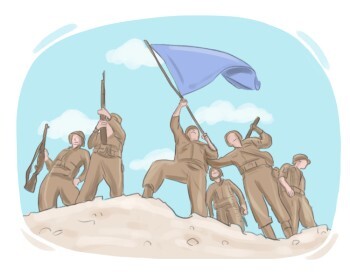
conquest
conquest
[Rzeczownik]

the act of taking possession of an area by using military force

podbój

podbój

Ex: After years of war, the conquest of the region was finally complete. 

Po latach wojny podbój regionu w końcu został ukończony.

reinforcement
reinforcement
[Rzeczownik]

the additional troops or supplies sent to support an army

wzmocnienie

wzmocnienie

Ex: The arrival of reinforcements boosted the morale of the exhausted battalion. 

Przybycie posiłków podniosło morale wyczerpanego batalionu.

uprising
uprising
[Rzeczownik]

a situation in which people join together to fight against those in power

powstanie, bunt

powstanie, bunt

Ex: The uprising began with peaceful protests but turned violent after police intervention. 

Powstanie rozpoczęło się od pokojowych protestów, ale stało się gwałtowne po interwencji policji.

to attack
to attack
[Czasownik]

to begin using weapons against a place or enemy during a war

atakować, napadać
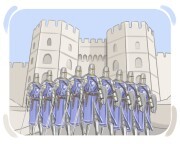
atakować, napadać

Ex: The military decided to attack the enemy stronghold under the cover of darkness. 
to defend
to defend
[Czasownik]

to not let any harm come to someone or something

bronić, chronić
bronić, chronić

Ex: The brave soldier defended the country during the battle. 
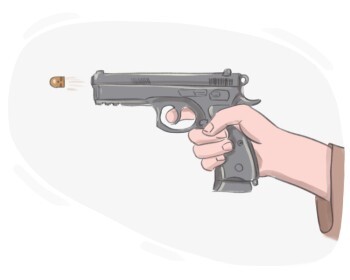
to fire
to fire
[Czasownik]

to shoot a bullet, shell, etc. from a weapon

strzelać, oddać strzał
strzelać, oddać strzał

Ex: The police officer is firing rounds to disperse the crowd. 
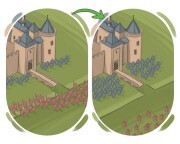
to retreat
to retreat
[Czasownik]

(of military forces) to withdraw from a position, especially because of danger, defeat, or enemy pressure

wycofywać się,  cofać się
wycofywać się, cofać się

Ex: The soldiers retreated to a more defensible position. 
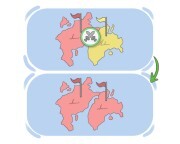
to conquer
to conquer
[Czasownik]

to gain control of a place or people using armed forces

podbić, zająć

podbić, zająć

Ex: Conquering a city often involves overcoming both physical and strategic challenges. 

Podbicie miasta często wiąże się z pokonaniem zarówno fizycznych, jak i strategicznych wyzwań.
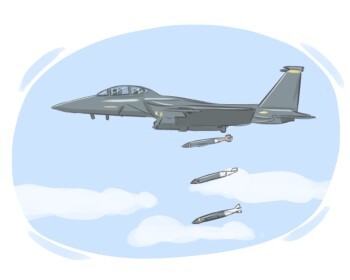
to bombard
to bombard
[Czasownik]

to drop bombs on someone or something continuously

bombardować, ostrzeliwać

bombardować, ostrzeliwać

Ex: The artillery unit was ordered to bombard the enemy's positions before the ground assault. 

Jednostce artylerii nakazano zbombardowanie pozycji wroga przed atakiem lądowym.

to capture
to capture
[Czasownik]

to seize or get control of something by force

zdobyć, zająć

zdobyć, zająć

Ex: The army captured the fortress after a long battle. 
alliance
alliance
[Rzeczownik]

an organization or group of people, countries, or entities united by a formal agreement for mutual benefit

sojusz, koalicja

sojusz, koalicja

Ex: The military alliance was formed to deter external threats. 
colonel
colonel
[Rzeczownik]

a senior military officer, typically ranking above lieutenant colonel and below brigadier general

pułkownik,  pułkownik

pułkownik, pułkownik

Ex: Daniel's father retired from the army with the rank of colonel. 
invasion
invasion
[Rzeczownik]

the act of entering another country or territory by military force, especially in order to occupy or control it

inwazja,  najazd

inwazja, najazd

Ex: The country strengthened its defenses after the invasion began. 
veteran
veteran
[Rzeczownik]

a person who has previously served in the armed forces, especially one who served during a war

weteran,  były wojskowy

weteran, były wojskowy

Ex: Sarah's grandfather was a veteran of the Second World War. 
bombardment
bombardment
[Rzeczownik]

a continuous attack on an area using bombs

bombardowanie, ostrzał

bombardowanie, ostrzał

Ex: The UN called for a ceasefire to stop the bombardment of residential areas. 

ONZ wezwała do zawieszenia broni, aby zatrzymać bombardowanie obszarów mieszkalnych.

LanGeek
Pobierz aplikację LanGeek