pattern

Vocabulary for IELTS Academic (Band 5) - War

Here, you will learn some English words related to War that are necessary for the Basic Academic IELTS exam.

Review

Flashcards

Forms

Spelling

Quiz

Start learning
Vocabulary for IELTS Academic (Band 5)
battle
battle
[noun]

a fight between opposing armed forces, particularly during a war
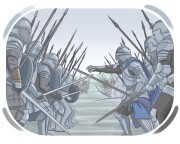
Ex: The decisive battle changed the course of the war. 
Close
Sign in
combat
combat
[noun]

a fight between different military forces during a war

Ex: The soldiers were trained for combat in harsh environments. 
Close
Sign in
captain
captain
[noun]

a military officer with a rank above that of a lieutenant and below that of a major
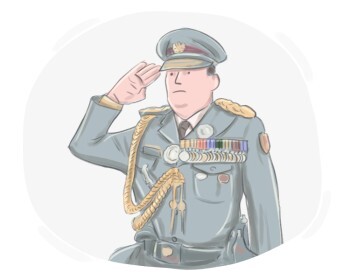
Ex: The captain led his platoon through the dangerous terrain. 
Close
Sign in
commander
commander
[noun]

an officer in charge of a military operation or a group of soldiers

Ex: The commander briefed his team on the mission objectives and the strategic plan for the operation. 
Close
Sign in
cavalry
cavalry
[noun]

a group of soldiers in an army who fight by armored vehicles

Ex: The cavalry led the charge during the battle. 
Close
Sign in
general
general
[noun]

a high-ranking officer in the army, Air Force, or Marines

Ex: The general addressed the troops, outlining the strategy for the upcoming campaign with confidence and clarity. 
Close
Sign in
tactics
tactics
[noun]

the art or science of employing military forces and strategies in order to achieve victory over an enemy

Ex: The navy's tactics were very effective in destroying the enemy's fleet. 
Close
Sign in
resistance

military action taken to oppose or prevent an enemy's advance
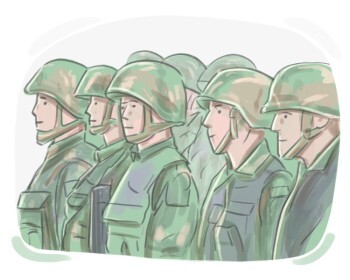
Ex: The troops organized fierce resistance at the border. 
Close
Sign in
army
army
[noun]

a country's military force trained to fight on land

Ex: The army conducted exercises to improve its combat readiness. 
Close
Sign in
spy
spy
[noun]

someone who is employed by a government to obtain secret information on another person, country, company, etc.

Ex: The spy used hidden cameras to gather intelligence on the enemy's activities. 
Close
Sign in
war zone
war zone
[noun]

a region in which a war is taking place

Ex: Journalists risk their lives to report from the war zone. 
Close
Sign in
front line

the area where opposing forces meet or engage, often in a military conflict
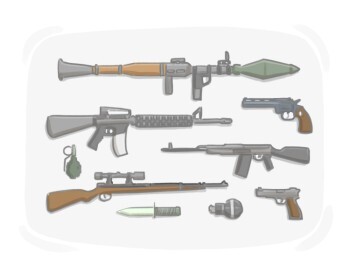
Ex: The soldiers braved harsh conditions as they advanced to the front line during the battle. 
Close
Sign in
weapon
weapon
[noun]

an object that can physically harm someone or something, such as a gun, bomb, knife, etc.
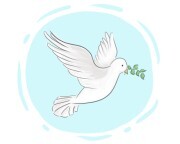
Ex: The soldier carried a rifle as his primary weapon during combat. 
Close
Sign in
peace
peace
[noun]

a period or state where there is no war or violence
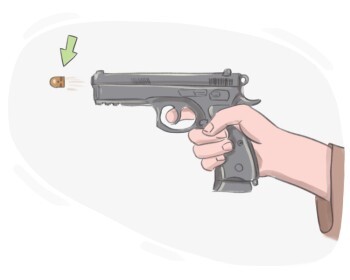
Ex: After years of conflict, the region finally experienced a period of lasting peace and stability. 
Close
Sign in
bullet
bullet
[noun]

a small cylindrical metal object designed to be fired from a gun

Ex: The soldier loaded the bullet into his rifle, preparing for battle. 
Close
Sign in
colonization

the act of taking control of another country and sending people to settle there
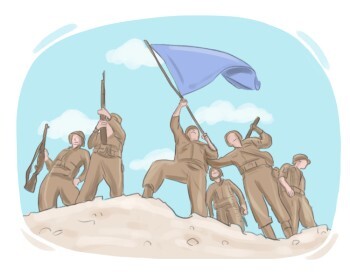
Ex: The colonization of the Americas by European powers began in the 15th century. 
Close
Sign in
conquest
conquest
[noun]

the act of taking possession of an area by using military force

Ex: The Roman conquest of Britain began in 43 AD. 
Close
Sign in
reinforcement

the additional troops or supplies sent to support an army

Ex: The general requested reinforcements after the enemy broke through the front lines. 
Close
Sign in
uprising
uprising
[noun]

a situation in which people join together to fight against those in power

Ex: The peasant uprising was brutally crushed by the king's army. 
Close
Sign in
to attack
to attack
[Verb]

to begin using weapons against a place or enemy during a war
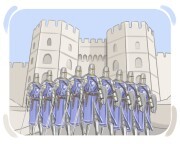
Ex: The military decided to attack the enemy stronghold under the cover of darkness. 
Close
Sign in
to defend
to defend
[Verb]

to not let any harm come to someone or something
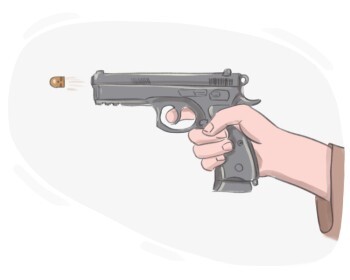
Ex: The brave soldier defended the country during the battle. 
Close
Sign in
to fire
to fire
[Verb]

to shoot a bullet, shell, etc. from a weapon
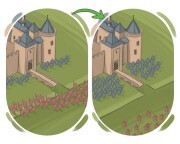
Ex: The police officer is firing rounds to disperse the crowd. 
Close
Sign in
to retreat

(of military) to move away in order to escape the danger because one has been defeated or is weak
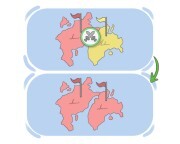
Ex: Faced with overwhelming enemy forces, the battalion decided to retreat from the battlefield. 
Close
Sign in
to conquer

to gain control of a place or people using armed forces
Ex: The army worked strategically to conquer the enemy's territory. 
Close
Sign in
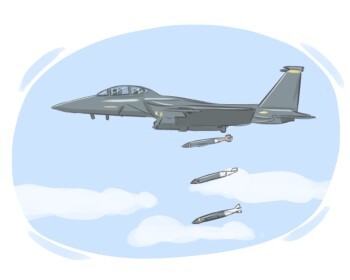
to bombard

to drop bombs on someone or something continuously

Ex: During the war, the enemy aircraft would bombard the city with relentless airstrikes. 
Close
Sign in
to capture

to seize or get control of something by force

Ex: The army captured the fortress after a long battle. 
Close
Sign in
alliance
alliance
[noun]

an organization or group of people, countries, or entities united by a formal agreement for mutual benefit

Ex: The military alliance was formed to deter external threats. 
Close
Sign in
colonel
colonel
[noun]

a high-ranking officer in the army, marine corps, or air force, whose rank is between a lieutenant colonel and brigadier general

Ex: The colonel inspected the troops, ensuring that everyone was prepared for the upcoming mission. 
Close
Sign in
invasion
invasion
[noun]

the act of invading or entering a territory, country, or region by force or without permission, often with the intent to control or dominate the area and its inhabitants

Ex: The invasion of Normandy was a turning point in World War II. 
Close
Sign in
veteran
veteran
[noun]

a former member of the armed forces who has fought in a war

Ex: The veterans gathered at the memorial to honor fallen comrades on Veterans Day. 
Close
Sign in
bombardment

a continuous attack on an area using bombs

Ex: The city endured weeks of bombardment during the war, leaving ruins everywhere. 
Close
Sign in
LanGeek
Download LanGeek app