
Słownictwo do IELTS Academic (Wynik 8-9) - Geologia
Tutaj nauczysz się niektórych angielskich słów związanych z geologią, które są niezbędne do akademickiego egzaminu IELTS.
Przegląd
Fiszki
Pisownia
Test


a large, rigid section of the Earth's lithosphere that moves, leading to geological activity like earthquakes and volcanic eruptions

płyta, płyta tektoniczna
the scientific study of the Earth's lithosphere and the processes that shape its structure, including the movement of tectonic plates, earthquakes, and volcanic activity
tektonika, badanie płyt tektonicznych
Uniwersytety na całym świecie oferują specjalistyczne kursy i stopnie naukowe w dziedzinie tektoniki, przyciągając studentów pasjonujących się zrozumieniem geologicznej dynamiki Ziemi.
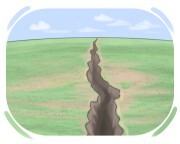
(in geology) a narrow break or crack that partially divides a rock or surface without completely separating it
szczelina, pęknięcie
Głębokie szczeliny pokrywały ściany kruszącego się kanionu uformowanego przez erozję na przestrzeni wieków.
a geological process where one tectonic plate moves under another and sinks into the Earth's mantle
subdukcja, zanurzenie
Japonia doświadcza częstych trzęsień ziemi z powodu subdukcji płyty pacyficznej pod płytę morza filipińskiego.
the gravitational balance between Earth's rigid lithosphere and the underlying, semi-fluid asthenosphere, influencing variations in surface elevation
izostazja, równowaga izostatyczna
Koncepcja izostazji jest kluczowa dla zrozumienia dynamiki ruchów skorupy ziemskiej i subsydencji na obszarach z basenami sedymentacyjnymi.
the Earth's rigid outer layer, made up of the crust and upper mantle, and divided into tectonic plates
litosfera, sztywna zewnętrzna warstwa Ziemi
Litosfera jest kluczowa dla wspierania różnorodnych ekosystemów Ziemi, zapewniając podstawę życia.
a layer of semi-fluid rock beneath the Earth's crust that allows tectonic plates to move
astenosfera, półpłynna warstwa skały pod skorupą ziemską
Plastyczne właściwości astenosfery pozwalają jej absorbować naprężenia i odkształcenia, zmniejszając prawdopodobieństwo kruchego pęknięcia.
a landscape formed from the dissolution of soluble rocks, characterized by sinkholes, caves, and underground drainage systems
kras, krajobraz krasowy
Alpy Dynarskie w Europie znane są z krajobrazów krasowych, charakteryzujących się poszarpanymi górami wapiennymi, głębokimi wąwozami i płaskowyżami krasowymi.
the geological process of mountain building, usually occurring due to the collision or convergence of tectonic plates
orogeneza, górotwórczość
Góry Ural, oddzielające Europę od Azji, powstały w wyniku orogenezy podczas kolizji płyt kontynentalnych.
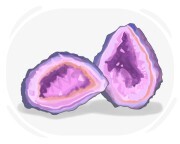
a hollow rock with a cavity inside, lined with crystals or mineral material, formed through natural processes and often valued for its aesthetic qualities
geoda, druza
Geody są często cięte i polerowane, aby poprawić atrakcyjność wizualną kryształów wewnątrz, zamieniając je w elementy dekoracyjne.
a volcanic rock that often contains diamonds, formed during explosive eruptions from the Earth's mantle, and is of particular interest in diamond exploration and mining
kimberlit, skała kimberlitowa
Geolodzy analizują skład mineralny kimberlitu, aby ocenić jego potencjał zawartości diamentów.
the geological process involving the expansion and movement of glaciers, shaping landscapes through erosion, deposition, and the formation of distinctive glacial landforms
zlodowacenie, epoka lodowcowa
Charakterystyczne doliny w kształcie litery U na obszarach górskich często świadczą o skutkach zlodowacenia.
a deposit of rocks, sediment, and glacial material left by a moving glacier, forming distinctive landforms along its edges or terminus
morena, osad lodowcowy
Cechy moreny w krajobrazie służyły jako markery nawigacyjne dla wczesnych odkrywców w regionach zlodowaconych.
a streamlined, elongated hill formed by glacial action, with a teardrop shape and the steeper end facing the direction of ice movement
drumlin, wydłużone wzgórze utworzone przez działalność lodowcową
Opływowy profil drumlinu sugerował proces formowania i osadzania się lodu.
the scientific study of earthquakes and seismic waves, providing insights into Earth's interior, tectonic plate movement, and earthquake hazards
sejsmologia, badanie trzęsień ziemi
Sejsmologia odgrywa kluczową rolę w określaniu wielkości i głębokości trzęsień ziemi, pomagając w systemach wczesnego ostrzegania.
a large, basin-shaped volcanic crater formed by the collapse of a volcano after a massive eruption
kaldera, krater wulkaniczny
Kaldera Yellowstone w Stanach Zjednoczonych jest jedną z największych i najbardziej znanych kalder na świecie.
the physical and chemical changes occurring in sediments between their deposition and their consolidation into sedimentary rock
diageneza, proces diagenezy
Procesy diagenezy często zachodzą w płytkim podłożu, w odległości kilku kilometrów od powierzchni Ziemi, gdzie warunki sprzyjają reakcjom mineralnym i przepływowi płynów.
