pattern

Czasowniki Procesów Mentalnych - Czasowniki dla Założenia i Oszacowania

Tutaj nauczysz się niektórych angielskich czasowników odnoszących się do przypuszczenia i szacowania, takich jak "zgadywać", "przypuszczać" i "spekulować".

Przegląd

Fiszki

formy

Pisownia

Test

Zacznij naukę
Categorized English Verbs Denoting Mental Processes
to guess
to guess
[Czasownik]

to estimate or form a conclusion about something without sufficient information to verify its accuracy

zgadywać, przypuszczać

zgadywać, przypuszczać

Ex: Let's play a game where you guess the movie from a single screenshot. 
to think
to think
[Czasownik]

to imagine, expect, or intend something

myśleć, wyobrażać sobie
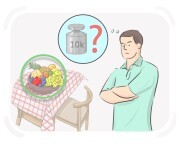
myśleć, wyobrażać sobie

Ex: I never thought I'd be able to run a marathon, but I did it. 
to reckon
to reckon
[Czasownik]

to guess something using available information

szacować, obliczać
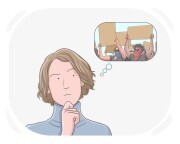
szacować, obliczać

Ex: After assessing the project requirements, the team tried to reckon the time needed for completion. 
to suppose
to suppose
[Czasownik]

to think or believe that something is possible or true, without being sure

przypuszczać, sądzić
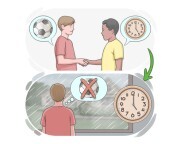
przypuszczać, sądzić

Ex: I suppose she’ll be at the meeting since she confirmed her attendance earlier. 
to presume
to presume
[Czasownik]

to think that something is true based on probability or likelihood

przypuszczać, zakładać
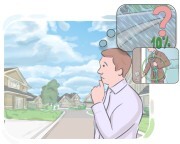
przypuszczać, zakładać

Ex: Without clear evidence, she could only presume that the meeting would be rescheduled. 
to assume
to assume
[Czasownik]

to think that something is true without having proof or evidence

zakładać, przypuszczać

zakładać, przypuszczać

Ex: She often assumes that everyone agrees with her perspective. 
to surmise
to surmise
[Czasownik]

to come to a conclusion without enough evidence

przypuszczać, domyślać się
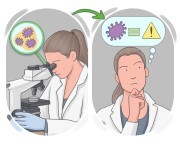
przypuszczać, domyślać się

Ex: Unable to find the missing document, he could only surmise that it might have been misplaced. 
to speculate
to speculate
[Czasownik]

to form a theory or opinion about a subject without knowing all the facts

spekulować, formułować teorie
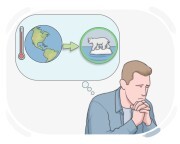
spekulować, formułować teorie

Ex: Observing the unusual behavior, scientists began to speculate about the potential causes of the phenomenon. 
to theorize
to theorize
[Czasownik]

to formulate a hypothesis to explain something, often as a starting point for further investigation or study

teoretyzować, formułować hipotezę

teoretyzować, formułować hipotezę

Ex: Scientists theorized that the changes in temperature were causing the polar ice caps to melt more rapidly. 
to hypothesize
to hypothesize
[Czasownik]

to propose a theory or explanation based on limited evidence

hipotezować, wysuwać hipotezę

hipotezować, wysuwać hipotezę

Ex: Before conducting the experiment, scientists need to hypothesize about the expected outcomes based on existing knowledge. 
to conjecture
to conjecture
[Czasownik]

to form an idea or opinion about something with limited information or unclear evidence

domyślać się, przypuszczać

domyślać się, przypuszczać

Ex: When the news spread about the missing person, neighbors started to conjecture about the possible reasons for their disappearance. 
to imagine
to imagine
[Czasownik]

to suppose or guess something without concrete evidence

wyobrażać sobie, przypuszczać
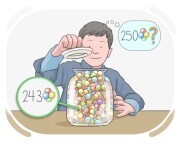
wyobrażać sobie, przypuszczać

Ex: We can only imagine how much effort went into organizing this event. 
to guesstimate
to guesstimate
[Czasownik]

to estimate something by calculating and guessing

szacować, robić przybliżone oszacowanie

szacować, robić przybliżone oszacowanie

Ex: I had to guesstimate the number of attendees for the event since not everyone RSVP'd. 
to estimate
to estimate
[Czasownik]

to guess the value, number, quantity, size, etc. of something without exact calculation

oszacować, ocenić
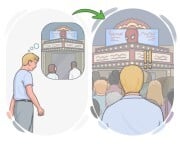
oszacować, ocenić

Ex: I estimate that there are about 100 people at the party. 
to underestimate
to underestimate
[Czasownik]

to guess or calculate a value, size, etc. to be lower than it actually is

nie doceniać, lekceważyć
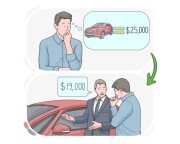
nie doceniać, lekceważyć

Ex: I underestimated the time it would take to complete the assignment. 
to overestimate
to overestimate
[Czasownik]

to guess or calculate a value, size, or etc. to be higher than it actually is

przeceniać, przeszacowywać

przeceniać, przeszacowywać

Ex: I tend to overestimate the time it takes to complete tasks. 
to extrapolate
to extrapolate
[Czasownik]

to estimate something using past experiences or known data

ekstrapolować, prognozować

ekstrapolować, prognozować

Ex: We can extrapolate future trends in technology based on the rapid advancements in recent years. 
to approximate
to approximate
[Czasownik]

to make a rough guess about quantities or time

oszacować, przybliżyć
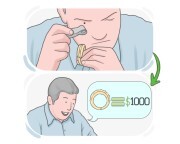
oszacować, przybliżyć

Ex: Can you approximate the cost of the repairs without detailed information? 
to value
to value
[Czasownik]

to determine or assign a monetary worth to something

wyceniać, oszacować

wyceniać, oszacować

Ex: The appraiser was called in to value the antique furniture. 
to valuate
to valuate
[Czasownik]

to determine the worth or importance of something

wyceniać, oceniać

wyceniać, oceniać

Ex: The real estate agent will valuate the property before listing it on the market. 
to project
to project
[Czasownik]

to guess or predict future outcomes or trends based on current data or analysis

prognozować, przewidywać

prognozować, przewidywać

Ex: The financial analyst will project the company's revenue for the next fiscal year. 
LanGeek
Pobierz aplikację LanGeek