
Czasowniki Procesów Mentalnych - Czasowniki do popełniania błędów
Tutaj nauczysz się niektórych angielskich czasowników odnoszących się do popełniania błędów, takich jak "err", "slip up" i "blunder".
Przegląd
Fiszki
formy
Pisownia
Test

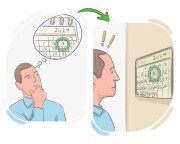
to be wrong or make an error

pomylić się, popełnić błąd
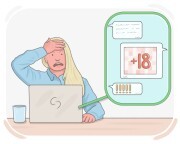
to be at fault or make mistakes, especially in one's thinking, judgment, or actions
błądzić, popełniać błąd
Chociaż okazjonalne błądzenie jest wybaczalne, uporczywe lub konsekwentne błędy mogą wymagać rozliczenia.
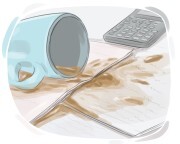
to commit an embarrassing and serious mistake out of carelessness or stupidity
popełnić gafę, zrobić poważny błąd
Popełnili poważny błąd w swoich obliczeniach, co doprowadziło do rozbieżności finansowych.
to ruin a situation through mistakes or poor judgment
schrzanić, spartaczyć
Zawaliła rozmowę kwalifikacyjną, przychodząc spóźniona i nieprzygotowana.
to make a mistake
pomylić się, zaliczyć wpadkę
W ferworze debaty przypadkowo popełniła błąd i źle zacytowała statystykę.
to make a mistake
zepsuć, popełnić błąd
Technik zepsuł instalację, powodując problemy techniczne.
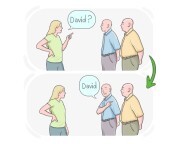
to confuse one thing for another thing
mylić, mieszać
Pomylili kierunki i skończyli w złej dzielnicy.

to fail to recognize a person or thing properly by assuming that they are another person or thing
pomylić, mieszać
W słabym oświetleniu często myli się przedmioty, które na pierwszy rzut oka wyglądają podobnie.
to interpret or understand something incorrectly
błędnie interpretować, źle zrozumieć
Media nieumyślnie źle zinterpretowały oświadczenie polityka, prowadząc do fałszywych nagłówków.
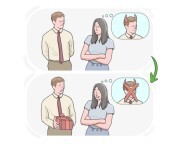
to form an incorrect opinion or assessment about someone or something
błędnie oceniać, mylnie osądzać
Nauczyciel zdał sobie sprawę, że błędnie ocenił potencjał i umiejętności ucznia.
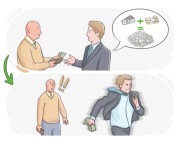
to be deceived or tricked by someone or something
dać się nabrać, być oszukanym
Wiele osób dało się nabrać na fałszywą wiadomość, rozpowszechniając dezinformację w mediach społecznościowych.
to fail to understand the full or true meaning, intention, or scope of a situation, idea, or statement
źle zrozumieć, mylnie interpretować
Ona źle zrozumiała instrukcje i dodała złe składniki do przepisu.
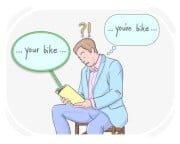
to read or understand a text incorrectly
źle przeczytać, źle zrozumieć
Podążając za mapą, źle odczytałem zakręt i całkowicie się zgubiłem.
to have an incorrect understanding or idea about something
źle zrozumieć, mieć błędne wyobrażenie
Ważne jest, aby nie błędnie rozumieć praktyk kulturowych, ale starać się je zrozumieć.
to fail to understand something or someone correctly
źle zrozumieć, niewłaściwie interpretować
Ona źle zrozumiała instrukcje i źle wykonała zadanie.
to understand or explain something incorrectly
błędnie interpretować, źle zrozumieć
Często się zdarza błędnie interpretować subtelne wskazówki w komunikacji, takie jak ton i język ciała.
