
Необходимый Словарный Запас для GRE - Тело
Здесь вы выучите некоторые английские слова по анатомии, такие как "кишка", "диафрагма", "трахея" и т. д., которые необходимы для экзамена GRE.
Обзор
Флэш-карточки
Правописание
Тест

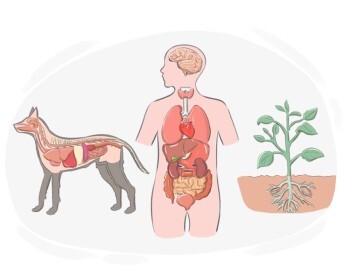
the branch of science that is concerned with the physical structure of humans, animals, or plants

анатомия
Анатомия — это фундаментальный предмет для студентов, стремящихся к карьере в медицине и биологии.

the upper part of the human body, excluding the arms and the head
туловище
Художник вылепил реалистичную статую человеческого торса, точно передав мышечные контуры.
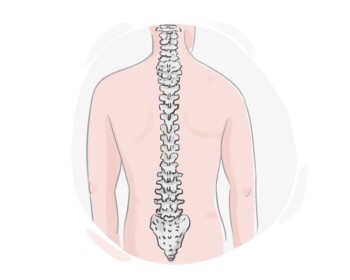
(anatomy) any of the bony segments and cartilages of the spinal column
позвонок
Травмы позвонка могут привести к параличу или потере чувствительности.
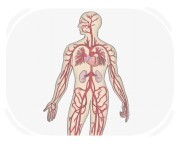
any blood vessel, carrying the blood to different organs of body from the heart
артерия
Стенки артерий толще и более мускулистые по сравнению с венами, что позволяет им выдерживать высокое давление крови, перекачиваемой сердцем.
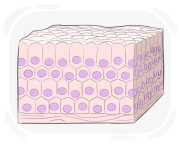
a group of cells in the body of living things, forming their different parts
ткань
Мышечная ткань обеспечивает движение и поддерживает структуру тела.
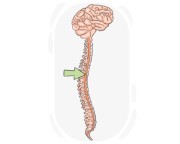
the inner part of the spine containing a mass of nerves that connects the brain to almost all the body parts
спинной мозг
Повреждение спинного мозга может привести к постоянной потере движения или чувствительности.
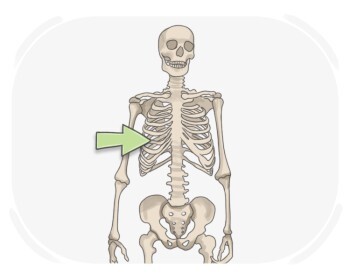
(anatomy) the bony structure in the chest formed by the ribs which protects organs in the thoracic cavity
грудная клетка
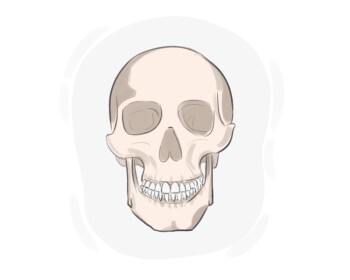
(anatomy) the bone structure that surrounds and protects the brain
череп
Череп защищает нежные структуры мозга.
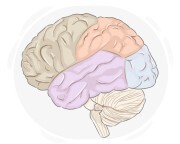
(anatomy) the outer layer of the anterior part of the brain, called cerebrum, containing gray matter
кора мозга
Кора головного мозга — это внешний слой мозга, отвечающий за высшие когнитивные функции, такие как мышление, память и восприятие.
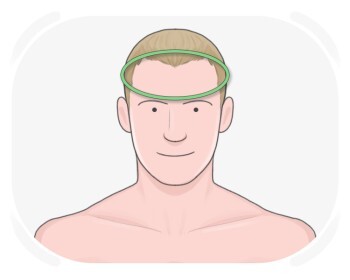
the part in someone's face that is below the hair and above the eyes
лоб
Пот часто скапливается на лбу во время физической нагрузки.

the part of the body of a woman or female mammal where the baby develops before birth
матка
Плод уютно устроился в безопасности матки, защищенный и питаемый телом матери.

(anatomy) the organ in the female body where the fetus is conceived and grown before being born
матка
Матка подвергается сокращениям во время родов, чтобы изгнать ребенка.

the front part of the leg that is between the foot and the knee
голень
Он ударил голень о журнальный столик и поморщился от боли.
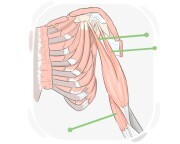
the large muscle at the front of the upper part of the arm, which flexes the forearm
бицепсы, Двуглавая мышца плеча
Он напряг свои бицепсы, чтобы продемонстрировать свою силу.
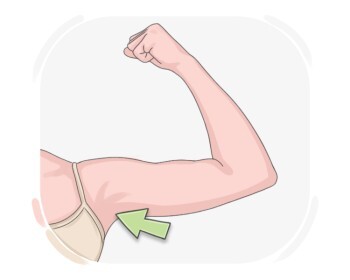
the part under the shoulder that is hollow
подмышка
Спортсмен вытер пот с подмышек полотенцем после изнурительной тренировки.
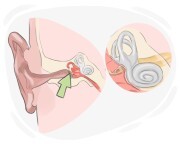
a thin piece of skin in the middle ear that vibrates by sound waves and enables one to hear sounds, also known as tympanic membrane
барабанная перепонка
Барабанная перепонка, также известная как тимпанная мембрана, вибрирует в ответ на звуковые волны, попадающие в слуховой проход.
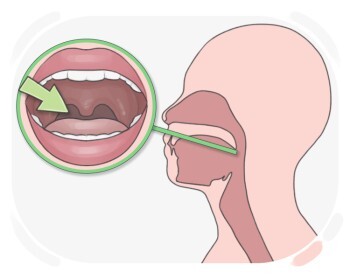
(anatomy) the passage in the throat that connects the mouth to the gullet
глотка
Глотка играет роль как в дыхании, так и в глотании.
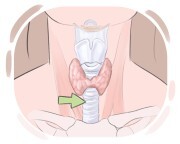
(anatomy) the membranous tube in the body that carries air from the throat to the bronchi
трахея
Трахея, также известная как дыхательное горло, представляет собой трубчатую структуру, которая соединяет гортань с бронхами, позволяя воздуху проходить в легкие и из них.

the liquid produced in the mouth to make chewing and swallowing easier and to prepare food for digestion
слюна
the thick mucus that is formed in the nasal and throat cavities, usually secreted in excessive amounts as a result of common cold
мокрота
Простуда часто вызывает увеличение выработки мокроты, что приводит к заложенности и кашлю.
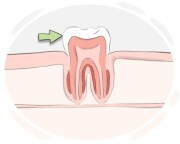
the hard white external layer that covers the crown of a tooth
эмаль
Эмаль — это твердый внешний слой зубов, который защищает их от кариеса и повреждений.
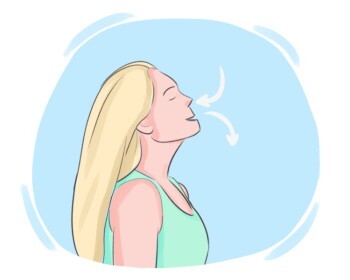
(anatomy) the act or process of breathing
дыхание
Дыхание включает в себя поглощение кислорода и выделение углекислого газа легкими.
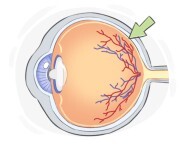
(anatomy) the sensory membrane at the back of the eye that transmits light signals to the brain through optic nerves
сетчатка
Сетчатка — это самый внутренний слой глаза, содержащий фоторецепторные клетки, отвечающие за обнаружение света и инициацию зрительных сигналов.
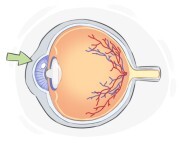
(anatomy) the transparent layer that covers the outside of the eyeball
роговица
Роговица — это прозрачный куполообразный слой, покрывающий переднюю часть глаза, отвечающий за преломление световых лучей для фокусировки изображений на сетчатке.
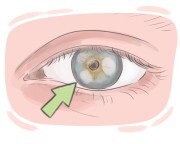
(anatomy) the small round black area in the center of the eye, through which light enters
зрачок
Офтальмолог использовал фонарик, чтобы исследовать расширение зрачков пациента.
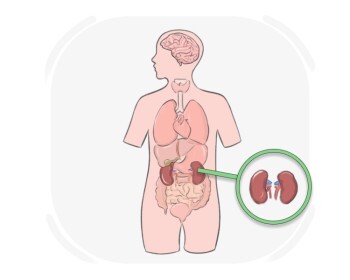
relating to the kidneys or their function
почечный
Он прошел почечные тесты для оценки функции почек.
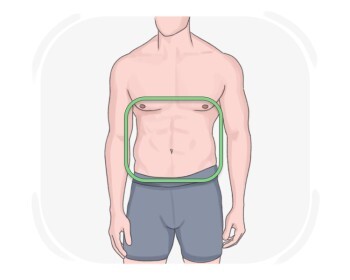
the lower part of the body below the chest that contains the digestive and reproductive organs
живот
Он поморщился, когда врач надавил на его живот, ища признаки болезненности или припухлости.
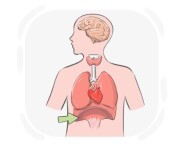
(anatomy) the muscular body partition that separates the chest and abdomen
диафрагма
Диафрагма сокращается и расслабляется, чтобы контролировать дыхание.
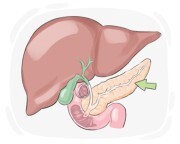
a large gland in the body that produces insulin and glucagon and substances that help the body digest food
поджелудочная железа
Поджелудочная железа — это железа, расположенная за желудком, которая играет crucialную роль в пищеварении и регуляции уровня сахара в крови.
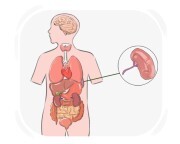
(anatomy) an abdominal organ that controls the quality of the blood cells
селезенка
Селезенка — это орган, расположенный в верхней левой части живота, под грудной клеткой, и является частью лимфатической системы.
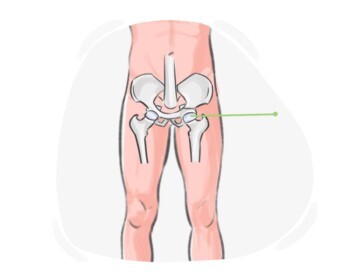
(anatomy) the large round bone structure that the limbs and the spine are joined to, which also protects the abdominal organs
таз
Таз — это костная структура, расположенная у основания позвоночника, состоящая из тазовых костей, крестца и копчика.
a sack of tissue that is attached to the large intestine and is surgically removed if infected
аппендикс
Воспаленный аппендикс может вызвать сильную боль в животе и лихорадку.
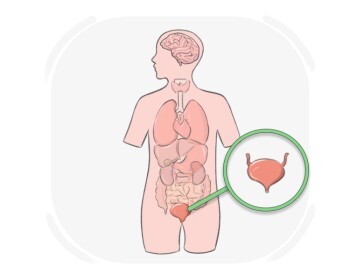
a sac-like organ inside the body where urine is stored before being passed
мочевой пузырь
Ей срочно пришлось пойти в туалет, потому что ее мочевой пузырь был полон.
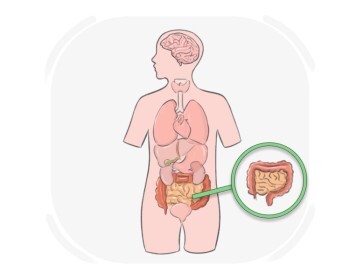
(usually plural) the tube in the body through which digested food passes from the stomach to the anus
кишечник
Пищеварительные расстройства могут повлиять на способность кишечника усваивать питательные вещества.
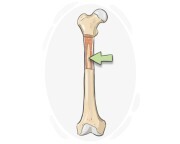
the soft substance that fills the cavities of bones, which is either yellowish and consists of fat cells or reddish and makes blood cells
костный мозг
Костный мозг — это мягкая, губчатая ткань, находящаяся в полостях костей, ответственная за производство кровяных клеток.
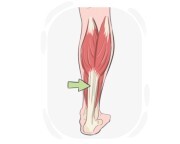
(anatomy) an elastic cord or band that connects a muscle to a bone
сухожилие
Травмы сухожилий могут быть результатом внезапной травмы или повторяющегося напряжения.
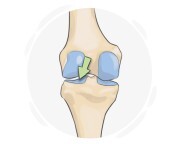
an elastic tissue that supports or connects joints in an infant and turns into skeleton during growth
Хрящ
Хрящ не имеет кровеносных сосудов, что влияет на его способность к заживлению.
a blood protein produced to fight diseases or infections, or in response to foreign substances in the body
антитело
Антитела останавливают вредные микробы и помечают их для уничтожения иммунными клетками.
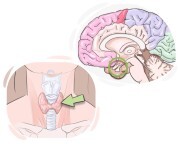
an organ in the body that produces certain chemical substances to be used in the body or to be discharged into the surroundings
железа
Эндокринная система включает железы, такие как щитовидная железа и надпочечники, которые регулируют гормоны в организме.
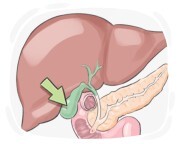
a greenish-brown alkaline fluid that is produced by the liver in order to help the body digest fats
жёлчь
Желчь — это пищеварительная жидкость, вырабатываемая печенью и хранящаяся в желчном пузыре, которая выделяется в тонкий кишечник для помощи в переваривании жиров.
