
Základní Slovní Zásoba pro GRE - Anatomie Lidského Těla
Zde se naučíte některá anglická slova o anatomii, jako "střevo", "bránice", "průdušnice" atd., která jsou potřebná pro zkoušku GRE.
Revize
Kartičky
Pravopis
Kvíz

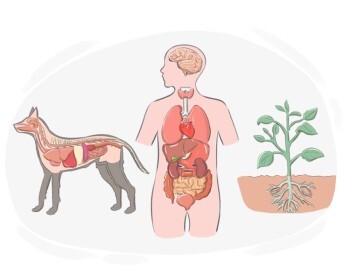
the branch of science that is concerned with the physical structure of humans, animals, or plants

anatomie
Vynikala ve své třídě anatomie, fascinována složitými detaily lidského těla.

the upper part of the human body, excluding the arms and the head
trup, horní část těla
Instruktor jógy vedl třídu sérií póz k posílení svalů trupu a zlepšení stability jádra.
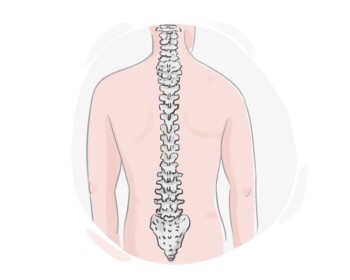
(anatomy) any of the bony segments and cartilages of the spinal column
obratel, segment páteře
Lidská páteř se skládá ze 33 obratlů, včetně kostrče a křížové kosti.
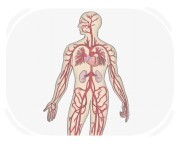
any blood vessel, carrying the blood to different organs of body from the heart
tepna, krevní céva
Ateroskleróza, stav, kdy se plak hromadí uvnitř tepen, může omezit průtok krve a vést k vážným zdravotním problémům, jako jsou infarkty a mrtvice.
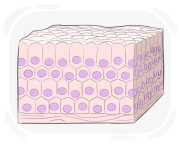
a group of cells in the body of living things, forming their different parts
tkáň, buněčná tkáň
Tuková tkáň, běžně známá jako tuková tkáň, ukládá energii a chrání orgány v těle.
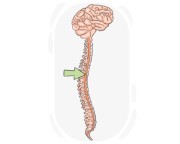
the inner part of the spine containing a mass of nerves that connects the brain to almost all the body parts
mícha, páteřní šňůra
Mozkový kmen se připojuje k páteřní míše a reguluje základní tělesné funkce.
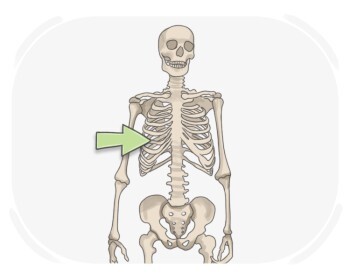
(anatomy) the bony structure in the chest formed by the ribs which protects organs in the thoracic cavity
hrudní koš, thorax
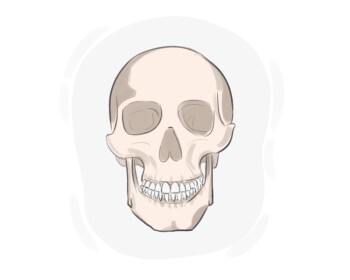
(anatomy) the bone structure that surrounds and protects the brain
lebka, kranium
Lebka je nezbytná pro udržení tvaru a struktury hlavy.
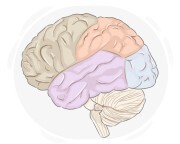
(anatomy) the outer layer of the anterior part of the brain, called cerebrum, containing gray matter
kortex, mozková kůra
Somatosenzorická kůra, umístěná v parietálním laloku, přijímá a zpracovává smyslové informace z kůže, svalů a kloubů.
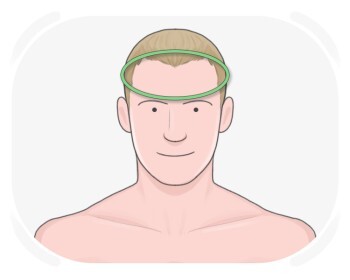
the part in someone's face that is below the hair and above the eyes
čelo, obočí
Sluneční brýle mohou chránit oči před slunečním zářením a chránit čelo.

the part of the body of a woman or female mammal where the baby develops before birth
děloha, lůno
Matka zpívala ukolébavky svému nenarozenému dítěti, doufajíc, že je uklidní a utěší v lůně.

(anatomy) the organ in the female body where the fetus is conceived and grown before being born
děloha
Děloha je držena na místě vazy a svaly pánevního dna.

the front part of the leg that is between the foot and the knee
holeň, lýtko
Lékař prohlédl pacientovo oteklé holeně a doporučil led a odpočinek.
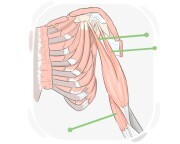
the large muscle at the front of the upper part of the arm, which flexes the forearm
biceps
Otok a bolest v bicepsu mohou být výsledkem přetížení nebo zranění.
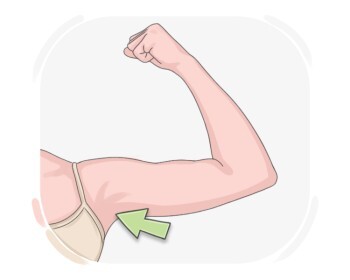
the part under the shoulder that is hollow
podpaží, podpažní jamka
Košile měla skvrny pod pažemi od nadměrného pocení.
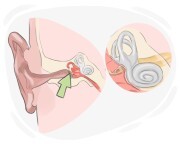
a thin piece of skin in the middle ear that vibrates by sound waves and enables one to hear sounds, also known as tympanic membrane
bubínek, bubínková membrána
Změny tlaku během letecké dopravy mohou někdy způsobit nepohodlí nebo bolest v uších kvůli nerovnoměrnému tlaku na bubínek.
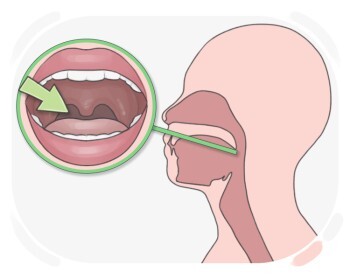
(anatomy) the passage in the throat that connects the mouth to the gullet
hltan, krk
Lékaři používají osvětlený nástroj k vyšetření hltanu během vyšetření krku.
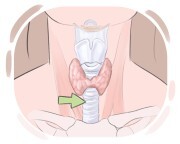
(anatomy) the membranous tube in the body that carries air from the throat to the bronchi
průdušnice, trachea
Tracheostomie je chirurgický zákrok, při kterém je v průdušnici vytvořen otvor, aby se obešla překážka nebo pomohlo s dýcháním.

the liquid produced in the mouth to make chewing and swallowing easier and to prepare food for digestion
slina
the thick mucus that is formed in the nasal and throat cavities, usually secreted in excessive amounts as a result of common cold
hlen, sliz
Volně prodejné léky mohou pomoci snížit produkci hlenu a zmírnit příznaky ucpání a kašle.
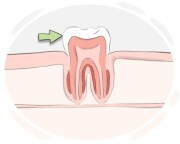
the hard white external layer that covers the crown of a tooth
sklovina, zubní sklovina
Sklovina může být poškozena nadměrným čištěním, skřípáním zubů nebo úrazem úst.
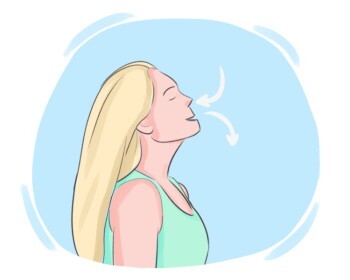
(anatomy) the act or process of breathing
dýchání
Kojenci vykazují rychlé dýchací frekvence ve srovnání s dospělými, což odráží jejich vyvíjející se dýchací systémy.
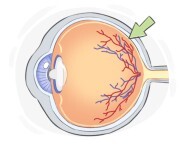
(anatomy) the sensory membrane at the back of the eye that transmits light signals to the brain through optic nerves
sítnice, retina
Sítnice prochází neustálou obnovou, přičemž fotoreceptorové buňky jsou nahrazovány po celý život člověka.
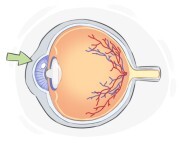
(anatomy) the transparent layer that covers the outside of the eyeball
rohovka, průhledná vrstva oka
Transplantace rohovky, známá také jako rohovkový štěp, může být nezbytná k obnovení zraku v případech těžkého poškození nebo onemocnění rohovky.
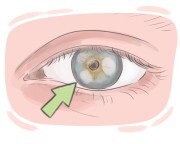
(anatomy) the small round black area in the center of the eye, through which light enters
zornice
Fotograf upravil nastavení fotoaparátu, aby zachytil odraz světla v zornicích modelky.
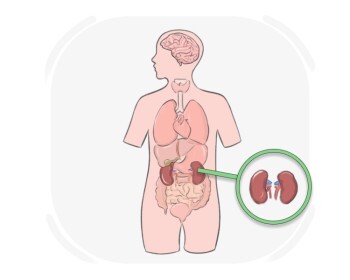
relating to the kidneys or their function
renální, vztahující se k ledvinám
Ledvinové zdraví je zásadní pro udržení správné rovnováhy tekutin a filtrování odpadů z těla.
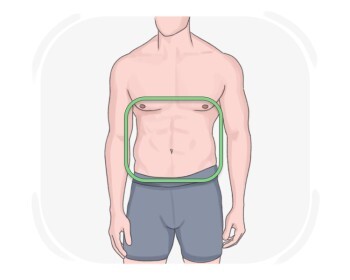
the lower part of the body below the chest that contains the digestive and reproductive organs
břicho, abdomen
Zapojila svaly středu těla a při dokončení další série sed-lehů cítila lehký pocit pálení v břiše.
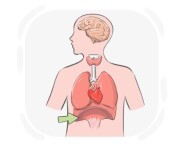
(anatomy) the muscular body partition that separates the chest and abdomen
bránice, svalová přepážka
Stažení bránice umožňuje vzduchu vstup do plic během nádechu.
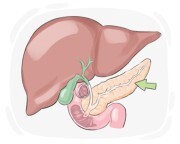
a large gland in the body that produces insulin and glucagon and substances that help the body digest food
slinivka břišní, pankreas
Ostrovy Langerhans ve slinivce břišní obsahují beta buňky, které produkují inzulín, nezbytný pro metabolismus glukózy a produkci energie v těle.
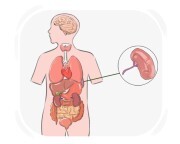
(anatomy) an abdominal organ that controls the quality of the blood cells
slezina, slezina
Slezina také slouží jako zásobárna krevních destiček a bílých krvinek, uvolňuje je do oběhu podle potřeby k podpoře imunitní odpovědi.
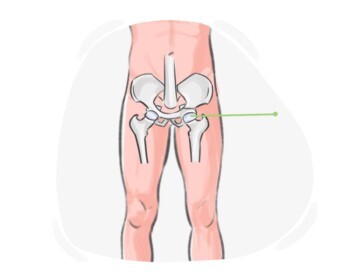
(anatomy) the large round bone structure that the limbs and the spine are joined to, which also protects the abdominal organs
pánev, kyčel
Pánev je klíčovou součástí lidského kosterního systému, poskytuje oporu a ochranu vnitřním orgánům.
a sack of tissue that is attached to the large intestine and is surgically removed if infected
apendix, červovitý přívěsek
Apendicitida je zánět apendixu a vyžaduje chirurgické odstranění.
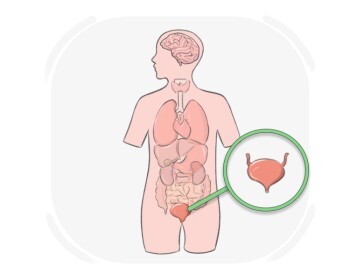
a sac-like organ inside the body where urine is stored before being passed
močový měchýř, měchýř
Ultrazvuk ukázal, že močový měchýř funguje normálně.
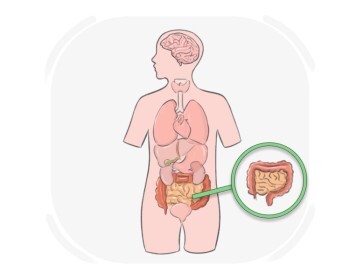
(usually plural) the tube in the body through which digested food passes from the stomach to the anus
střevo, střívko
Zdravá strava bohatá na ovoce a zeleninu podporuje optimální funkci střev.
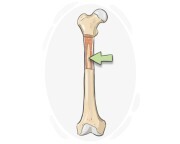
the soft substance that fills the cavities of bones, which is either yellowish and consists of fat cells or reddish and makes blood cells
kostní dřeň, dřeň
Nemoci jako leukémie a mnohočetný myelom mohou ovlivnit produkci krevních buněk v kostní dřeni, což vede k vážným zdravotním komplikacím.
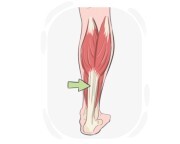
(anatomy) an elastic cord or band that connects a muscle to a bone
šlacha, elastický vaz
Šlachy jsou tvořeny především kolagenovými vlákny.
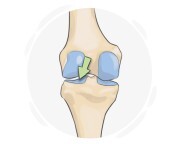
an elastic tissue that supports or connects joints in an infant and turns into skeleton during growth
chrupavka, chrupavčitá tkáň
Chondrocyty jsou buňky odpovědné za produkci a udržování chrupavky.
a blood protein produced to fight diseases or infections, or in response to foreign substances in the body
protilátka, imunoglobulin
Léky, které oslabují váš imunitní systém, mohou snížit hladinu protilátek.
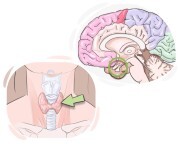
an organ in the body that produces certain chemical substances to be used in the body or to be discharged into the surroundings
žláza, sekretorický orgán
Lékař předepsal léky na stimulaci produkce inzulínu žlázou slinivky břišní u pacienta s diabetem.
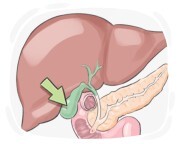
a greenish-brown alkaline fluid that is produced by the liver in order to help the body digest fats
žluč, žlučová tekutina
Po tučném jídle se žlučník stahuje a uvolňuje žluč do dvanáctníku, aby usnadnil trávení a vstřebávání potravinových tuků.
