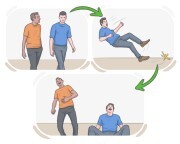
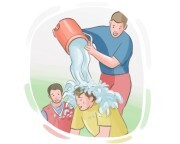
to joke about something, often by giving false or inaccurate information

开玩笑,戏弄
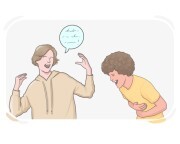
to say something funny or behave in a way that makes people laugh
开玩笑, 说笑话
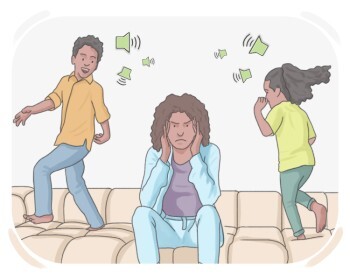
to playfully annoy someone by making jokes or sarcastic remarks
戏弄, 逗弄
兄弟姐妹经常以戏弄对方作为一种有趣的玩笑形式。
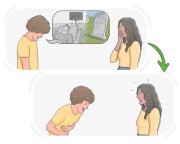
to play a mischievous trick or practical joke on someone, often for amusement and laughs
恶作剧, 开玩笑
朋友们经常在愚人节互相恶作剧,营造一种轻松愉快的氛围。
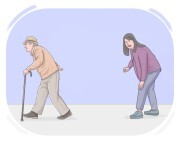
to imitate someone or something, often using sarcasm or teasing
模仿, 嘲笑
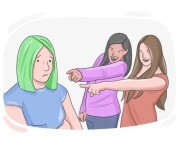
to make fun of someone or something
嘲笑, 讥讽
他在会议期间嘲笑了这个提议,引起了紧张。
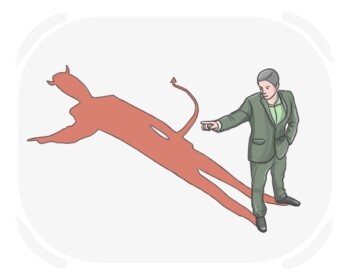
to deceive someone into believing something that is not true
欺骗, 愚弄

to deceive someone by creating a false story or situation
欺骗, 愚弄
恶作剧者试图通过假装是外星访客来欺骗他的朋友。
to engage in light, playful, and teasing conversation or exchange of remarks
开玩笑, 调侃
在工作场所,同事们在休息时开玩笑,营造积极协作的工作环境。

to playfully tease someone in a friendly way, often involving light-hearted jokes or gentle ridicule
开玩笑, 调侃
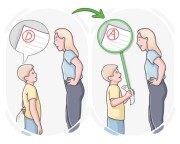
to tease or joke with someone in a lighthearted and good-natured manner
开玩笑, 逗弄
我们工作时总是互相开玩笑;这让氛围保持轻松愉快。
to say or do something playfully or without serious intent
开玩笑, 戏弄
他与他的兄弟姐妹开玩笑,假装忘记了他们的计划。
to trick or deceive someone, often as a playful prank
欺骗, 恶作剧
她通过电话假装是他们的老板戏弄了她的同事,引起了短暂的恐慌。