pattern

ACT English and World Knowledge - Placement

Here you will learn some English words related to placement, such as "aloft", "stationary", "mount", etc. that will help you ace your ACTs.

Review

Flashcards

Forms

Spelling

Quiz
Start learning
ACT Vocabulary for English and World Knowledge
to situate

to place something in a particular position or setting
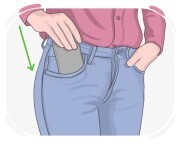
Ex: The architect decided to situate the building on the edge of the hill for a panoramic view. 
Close
Sign in
to deposit

to place or fix something in a specific location
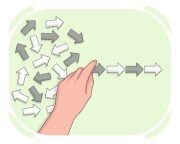
Ex: To secure the valuable artifact, the museum decided to deposit it in a high-security vault. 
Close
Sign in
to align
to align
[Verb]

to arrange or position things or elements in a straight line or in a coordinated manner
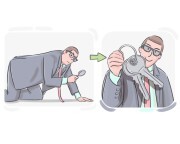
Ex: The students were instructed to align their desks in rows for the classroom presentation. 
Close
Sign in
to pinpoint

to precisely locate or identify something or someone

Ex: Using advanced technology, scientists were able to pinpoint the epicenter of the earthquake within a matter of seconds. 
Close
Sign in
to superimpose

to place or lay something over something else, typically to create a combined or layered effect
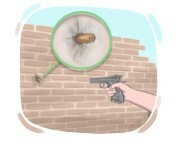
Ex: The architect superimposed the new building design onto the existing city skyline using computer software. 
Close
Sign in
to embed
to embed
[Verb]

to firmly and deeply fix something in something else
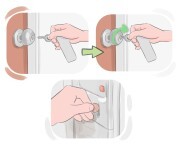
Ex: The artist decided to embed colorful gems into the sculpture to add a touch of sparkle. 
Close
Sign in
to insert
to insert
[Verb]

to place or add something into a specific space or object
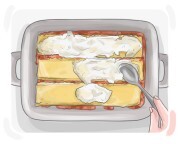
Ex: He decided to insert a key into the lock to open the door. 
Close
Sign in
to overlay

to cover one thing over another

Ex: The artist overlaid the canvas with a thin layer of primer before painting the landscape. 
Close
Sign in
to repose
to repose
[Verb]

to place something down flat or horizontally

Ex: The vase was carefully reposed on the mantle, away from the edge. 
Close
Sign in
to dislodge

to forcefully remove something that is stuck or fixed in a particular position

Ex: The maintenance crew used a specialized tool to dislodge the clogged pipe. 
Close
Sign in
to displace

to move something from its usual position or location to another

Ex: The strong wind gusts were powerful enough to displace several patio chairs. 
Close
Sign in
to transpose

to alter the position, arrangement, or sequence of something
Ex: The teacher asked the students to transpose the sentences in logical order. 
Close
Sign in
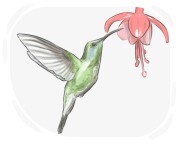
to hover
to hover
[Verb]

(of a bird, aircraft, etc.) to remain at one place in midair

Close
Sign in
to droop
to droop
[Verb]

to bend downward or sag under the influence of gravity or due to lack of support or tension
Ex: The heavy curtains began to droop at the edges where they weren't properly supported. 
Close
Sign in
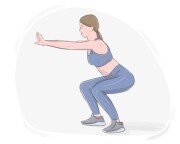
to squat
to squat
[Verb]

to go to a position in which the knees are bent and the back of thighs are touching or very close to one's heels

Ex: During the workout, the fitness instructor demonstrated how to squat properly. 
Close
Sign in
to ensconce

to establish one's place or position

Close
Sign in
to dangle
to dangle
[Verb]

to hang or swing loosely and freely, especially from one end or point
Ex: The keys dangled from her fingers as she walked down the hallway. 
Close
Sign in
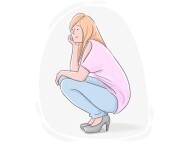
to crouch
to crouch
[Verb]

to sit on one's calves and move the chest close to one's knees

Ex: Crouch beside me so we can plan our next move. 
Close
Sign in
to drape
to drape
[Verb]

to arrange or hang something loosely and artistically over a surface or object

Ex: She draped the scarf around her neck in a stylish fashion. 
Close
Sign in
to mount
to mount
[Verb]

to secure, attach, or affix an item onto a surface or framework

Ex: The photographer carefully mounted the camera on a tripod to capture stable and clear images. 
Close
Sign in
to suspend

to hang something so that it dangles freely without support from below

Ex: They used a sturdy rope to suspend the swing from the tree branch. 
Close
Sign in
to flank
to flank
[Verb]

to be positioned at the side or edge of something, typically for protection, support, or observation

Ex: The soldiers flanked the convoy to ensure its safe passage through enemy territory. 
Close
Sign in
to nest
to nest
[Verb]

to fit or place one thing snugly inside another, often in layers or concentric arrangements

Ex: The Russian dolls nested neatly within each other, with the smallest doll tucked inside the larger ones. 
Close
Sign in
to snuggle

to arrange or settle someone or something in a warm, cozy, or affectionate manner, typically by enclosing them closely for warmth or comfort

Ex: She snuggled her toddler into the fluffy blanket before bedtime, soothing him with a gentle lullaby. 
Close
Sign in
to girdle
to girdle
[Verb]

to encircle or surround something and create a boundary or perimeter around it

Ex: The river girdles the ancient castle, adding to its picturesque charm. 
Close
Sign in
to erect
to erect
[Verb]

to lift, position, and fix something into an upright or vertical position

Ex: The construction crew erected the steel beams to form the framework of the new skyscraper. 
Close
Sign in
to straddle

to span or extend across a particular area

Ex: The urban development project aimed to create buildings that would straddle the skyline. 
Close
Sign in
elevation
elevation
[noun]

the height or distance of an object or geographical feature above a specified reference point, typically measured from sea level

Ex: The mountain climber reached an elevation of 4,000 meters before encountering thin air. 
Close
Sign in
altitude
altitude
[noun]

the distance between an object or point and sea level

Ex: The airplane reached a cruising altitude of 30,000 feet above sea level. 
Close
Sign in
proximity
proximity
[noun]

the immediate surrounding or area that is near or close around a person or thing

Ex: The predator cautiously approached the prey, staying within striking proximity. 
Close
Sign in
arrangement

the specific way things are positioned relative to each other

Ex: The arrangement of chairs in the room facilitated group discussions. 
Close
Sign in
disposal
disposal
[noun]

the act or process of arranging or positioning things in a particular way

Ex: She meticulously planned the disposal of her books on the shelf, arranging them by genre and size. 
Close
Sign in
layout
layout
[noun]

the specific way by which a building, book page, garden, etc. is arranged

Ex: The architect presented several options for the layout of the new office space, each maximizing natural light and efficiency. 
Close
Sign in
superposition

the act or process of placing one object or entity directly above or on top of another

Ex: The artist created a striking image through the superposition of different colored layers of paint. 
Close
Sign in
whereabouts

the specific location or position of someone or something

Ex: They were unsure of his whereabouts after he left the party early. 
Close
Sign in
orientation

the position in relation to geographical or directional references

Ex: Before starting the hike, the group checked their orientation using a compass to ensure they were heading north. 
Close
Sign in
vicinity
vicinity
[noun]

the area near or surrounding a particular place

Ex: There were no houses in the immediate vicinity of the old mansion. 
Close
Sign in
precinct
precinct
[noun]

a commercial area in a city or a town that is closed to traffic

Ex: The shopping precinct was bustling with pedestrians enjoying the car-free environment. 
Close
Sign in
environs
environs
[noun]

the surrounding area or district, especially the suburbs or outskirts of a city or town

Ex: They enjoyed exploring the natural environs around the lake. 
Close
Sign in
fringe
fringe
[noun]

the marginal, or outer part of something, such as an area, activity, or group

Ex: The fringe of the forest was dotted with wildflowers and was less dense than the inner parts. 
Close
Sign in
locus
locus
[noun]

the specific place or scene where an event or action occurs, especially used to denote the exact location of a meeting or event

Ex: The historic courthouse served as the locus for the town hall meeting. 
Close
Sign in
interstice

a space between or inside things

Close
Sign in
dislocation

an event or incident that leads to the displacement or disruption of something from its usual or intended position

Ex: The dislocation of the bridge due to flooding blocked traffic for several days. 
Close
Sign in
configuration

the specific arrangement or grouping of parts or elements
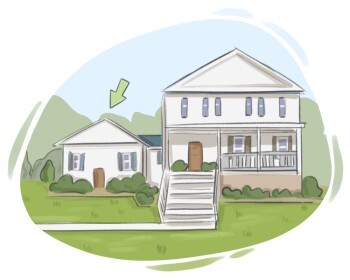
Ex: The configuration of the solar panels optimized energy capture throughout the day. 
Close
Sign in
adjacent
adjacent
[Adjective]

situated next to or near something

Ex: The bookstore is located in the shopping mall adjacent to the coffee shop. 
Close
Sign in
contiguous
contiguous
[Adjective]

sharing a common border or touching at some point
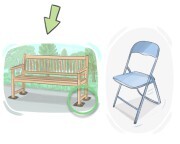
Ex: The company acquired several contiguous parcels of land to expand its operations. 
Close
Sign in
stationary
stationary
[Adjective]

not moving or changing position

Ex: He sat on a stationary bike, adjusting the settings before his workout. 
Close
Sign in
static
static
[Adjective]

remaining still, with no change in position
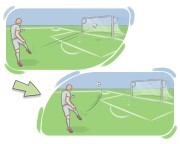
Ex: The static position of the statue gave it a sense of permanence in the park. 
Close
Sign in
slanted
slanted
[Adjective]

describing a position or direction that is inclined or angled

Ex: The tree grew at a slanted angle due to the prevailing winds on the hillside. 
Close
Sign in
outermost
outermost
[Adjective]

located at the farthest point from the center or inside of something

Ex: The outermost layer of the atmosphere protects the Earth from harmful solar radiation. 
Close
Sign in
innermost
innermost
[Adjective]

related to the deepest or most central point within a physical context

Ex: The pearl lay nestled in the innermost chamber of the oyster shell. 
Close
Sign in
opposable
opposable
[Adjective]

able to be positioned opposite to something else, particularly hands or fingers that can grip and hold things well

Ex: Monkeys use their opposable thumbs to grab tree branches. 
Close
Sign in
isolated
isolated
[Adjective]

(of a place or building) far away from any other place, building, or person

Ex: The isolated cabin in the mountains offered solitude and tranquility. 
Close
Sign in
outspread
outspread
[Adjective]

extended or spread out over a wide area or surface
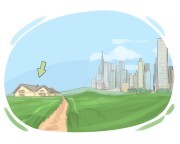
Ex: The eagle soared gracefully with its outspread wings, catching the warm currents of air. 
Close
Sign in
remote
remote
[Adjective]

far away in space or distant in position
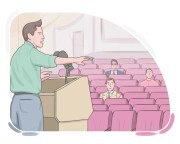
Ex: The remote village nestled deep in the mountains was accessible only by a rugged trail. 
Close
Sign in
sparse
sparse
[Adjective]

small in amount or number while also unevenly and thinly scattered
Ex: The vegetation on the hillside was sparse, with only a few bushes dotting the landscape. 
Close
Sign in
immovable
immovable
[Adjective]

(of an object) impossible to be placed elsewhere

Close
Sign in
aloft
aloft
[Adverb]

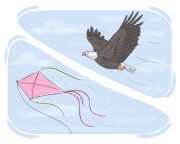
up in or into the air

Ex: The eagle circled aloft in search of prey. 
Close
Sign in
positional
positional
[Adjective]

relating to or characterized by position or placement, particularly in a physical or spatial sense
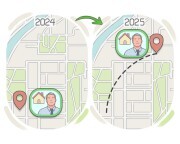
Ex: The positional relationship between the sun and the planets determines their orbits in the solar system. 
Close
Sign in
elsewhere
elsewhere
[Adverb]

at, in, or to another place

Ex: The store was out of stock, so I had to look elsewhere for the product. 
Close
Sign in
inversion
inversion
[noun]

the act of turning something upside down or placing it in a vertical position

Ex: The artist's installation featured an inversion of everyday objects, challenging our perceptions. 
Close
Sign in
ACT English and World Knowledge
MovementHuman MovementPlacement
LanGeek
Download LanGeek app