pattern

Opinion and Argument - Opinion Formation and Expression

Here you will learn some English words related to opinion formation and expression such as "tide", "weigh in", and "voice".

Review

Flashcards

Forms

Spelling

Quiz
Start learning
Words Related to Opinion and Argument
to take
to take
[Verb]

to have or show a particular feeling, opinion, or reaction

Ex: He took an interest in learning a new skill. 
Close
Sign in
take
take
[noun]

the idea or opinion that is formed about something or the way one thinks of a situation

Close
Sign in
to [take] a dim view of {sth}

to disapprove of something or regard it negatively

Ex: The teacher took a dim view of cheating on exams. 
Close
Sign in
take it or leave it

used to show that one does not care if one's offer is accepted or rejected one will not negotiate further

Ex: I'll give you $500 for the camera, but that's my final offer. Take it or leave it. 
Close
Sign in
to [take] {sth} into consideration

to give thought to a certain fact before making a decision

Ex: When planning the project, we need to take budget constraints into consideration. 
Close
Sign in
tendentious
tendentious
[Adjective]

stating a cause or opinion that one strongly believes in, particularly one that causes a lot of controversy

Ex: The journalist’s tendentious article sparked heated debates online. 
Close
Sign in
tendentiously

in a way that promotes or expresses a controversial opinion, especially one that many people do not agree with

Close
Sign in
tendentiousness

the act of strongly expressing or supporting a particular opinion, especially one that many people disagree with

Close
Sign in
that said
that said
[phrase]

used to introduce statement that is in contrast to what one previously stated

Ex: It's just a gimmick. That said, I'd love to do it. 
Close
Sign in
theory
theory
[noun]

an idea, opinion, or belief that one perceives to be true, although it remains to be proved

Close
Sign in
there is (something|a lot|much) to be said for {sth}

used to highlight the advantages something has

Close
Sign in
then again
then again
[phrase]

used to add a statement that contradicts what one has just said

Ex: I thought the movie was too long. Then again, the visuals were stunning. 
Close
Sign in
thesis
thesis
[noun]

a statement that someone presents as a topic to be argued or examined

Ex: In the debate, Sarah presented the thesis that stricter gun control laws would lead to a decrease in gun-related violence. 
Close
Sign in
to think
to think
[Verb]

to have a type of belief or idea about a person or thing

Ex: He thinks that the restaurant serves the best pizza in town. 
Close
Sign in
to [think] for {oneself}

to rely on no one in making decisions or forming opinions

Ex: It's important to think for oneself and not just follow the crowd. 
Close
Sign in
thinking
thinking
[noun]

the set of opinions or ideas that one has about something

Close
Sign in
to [think] better of {sth}

to decide against doing something upon reconsideration

Ex: He initially planned to quit his job in a fit of anger, but he thought better of it and decided to have a calm conversation with his boss instead. 
Close
Sign in
to [think] the world of {sb}

to be extremely fond of someone or greatly admire them

Ex: She thinks the world of her grandmother. 
Close
Sign in
thoughtcrime

a controversial way of thinking that is considered socially unacceptable or criminal

Close
Sign in
thought police

a group of individuals who aim to seize control of people’s beliefs or opinions

Close
Sign in
tide
tide
[noun]

the general trend or movement in public opinion, social attitudes, or events

Ex: A tide of support for the candidate developed overnight. 
Close
Sign in
to {one's} mind

in someone's personal opinion

Ex: That was, to my mind, the most moving part of the movie 
Close
Sign in
to {one's} way of thinking

based on one’s opinion

Ex: To her way of thinking, exercising regularly is important for maintaining good health. 
Close
Sign in
turnaround

a complete or unexpected change in someone's attitude, opinion, or behavior

Close
Sign in
uncommunicative
uncommunicative
[Adjective]

not open to sharing thoughts or information

Ex: He was uncommunicative during the meeting, offering no input or feedback. 
Close
Sign in
unequivocal
unequivocal
[Adjective]

expressing one's ideas and opinions so clearly that it leaves no room for doubt

Ex: Her unequivocal support for the policy was evident in her speech. 
Close
Sign in
to vacillate

to be undecided and not know what opinion, idea, or course of action to stick to

Ex: She is currently vacillating on which college to attend next year. 
Close
Sign in
vacillation

the act of switching between two opinions, especially in an annoying way

Close
Sign in
value-free
value-free
[Adjective]

not influenced by personal opinions or subjective views

Close
Sign in
value-laden
value-laden
[Adjective]

influenced by subjective views or opinions

Close
Sign in
to ventilate

to publicly express one's opinions, feelings, or complaints

Close
Sign in
verdict
verdict
[noun]

an opinion given or a decision made after much consideration

Ex: After much deliberation, the team reached a verdict on the best course of action. 
Close
Sign in
view
view
[noun]

a personal belief or judgment that is not based on proof or certainty

Ex: It's my view that we should postpone the meeting. 
Close
Sign in
virtue signaling

the act of making a positive impression on others by conveying one's social or political opinions publicly

Close
Sign in
vocal
vocal
[Adjective]

giving opinions loudly or freely

Ex: She was vocal in her support for environmental conservation at the town hall meeting. 
Close
Sign in
vociferous
vociferous
[Adjective]

expressing feelings or opinions, loudly and forcefully

Ex: The opposition party voiced vociferous complaints about the new tax policy during the legislative session. 
Close
Sign in
voice
voice
[noun]

the right to give an opinion on something

Ex: In a democracy, freedom of speech ensures that every citizen has a voice in expressing their opinions and beliefs. 
Close
Sign in
to voice
to voice
[Verb]

to express something verbally and openly, especially a feeling, opinion, etc.
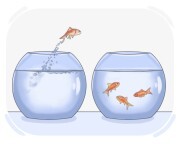
Ex: In the meeting, employees were encouraged to voice their opinions on the proposed changes. 
Close
Sign in
volte-face

a complete and abrupt change of opinion or plan of action

Close
Sign in
to weigh in

to get involved in an argument, discussion, or activity and share one's opinions

Ex: The CEO wanted to weigh in and offer guidance on the strategic direction of the company. 
Close
Sign in
to weigh up

to observe someone closely to evaluate their character, abilities, etc.
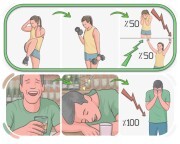
Ex: She decided to weigh him up before entrusting him with the important task. 
Close
Sign in
welcome
welcome
[noun]

the way that an idea, opinion, or a point of view is received or approved by people

Close
Sign in
would
would
[Verb]

used to express an opinion about which one is not certain
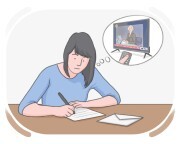
Ex: She would probably agree with your proposal if you explain it clearly. 
Close
Sign in
to write in

to write to an organization or a broadcasting company in order to express one's opinions or to ask for information

Ex: Many citizens wrote in expressing their dissatisfaction with the new law. 
Close
Sign in
you know what?

used to introduce something exciting or surprising

Close
Sign in
LanGeek
Download LanGeek app