
Advanced Vocabulary for TOEFL - Engineering and Electronics
Here you will learn some English words about engineering and electronics, such as "transistor", "electrode", "voltage", etc. that are needed for the TOEFL exam.
Review
Flashcards
Spelling
Quiz


a field of study that deals with the building, designing, developing, etc. of structures, bridges, or machines
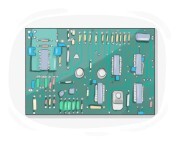
the branch of science and technology concerned with electronic circuits, devices, and the controlled flow of electric current
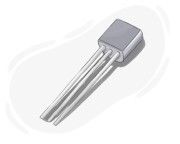
a semiconductor device that amplifies or switches electronic signals

(electronics) a material that conducts electricity moderately, with conductivity that changes with temperature or added impurities
(electronics) a flat board that holds and connects electronic components to add or improve a computer's functions
an accidental connection between two points in a circuit that causes a sudden, dangerous surge of current
(electronics) a conductor that touches a circuit or device to let electricity enter or leave
total potential energy provided by a power source

an electric device that is used to increase or decrease the voltage of an alternating current
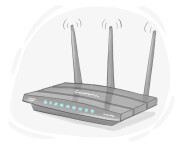
a device that sends out radio or television signals
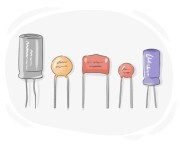
an electrical component that stores electric charge temporarily
to allow heat or electricity be transmitted

to fasten or attach something using a screw or screws
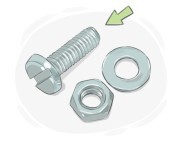
a metal fastener consisting of a threaded rod with a head, usually secured with a nut
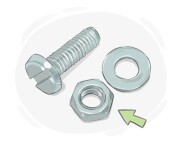
a small metal piece with a threaded hole that screws onto a bolt to fasten things together

a wheel with a set of square or triangular teeth sticking out around the edge that fits into the edge of a similar wheel, causing both wheels to turn
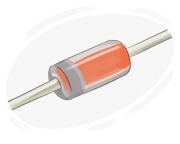
(electronics) a semiconductor part that lets electricity flow in only one direction

an electrical device that is used to stop or control the flow of current in a circuit in case it is too strong
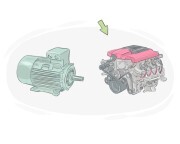
a machine that produces electricity by converting mechanical energy into electrical energy
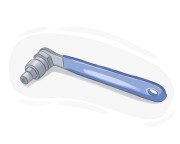
a device that allows movement between mechanical parts of a machine or converts backward and forward motion into circular movement

a usually cylindrical rod that rotates to transmit power or motion in a machine
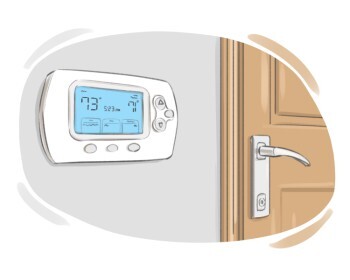
an instrument that automatically controls the temperature of a room, machine, etc.

a device that allows steam, liquid, etc. to escape a machine, if the pressure inside the machine becomes too high
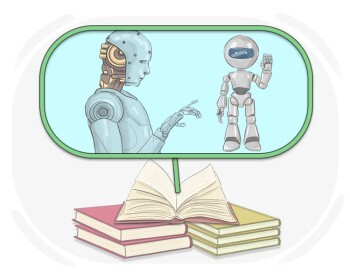
the field of artificial intelligence and engineering that deals with designing, building, and using robots

an electronic device that uses a small electrical current to control a larger current, acting like an automatic switch

a device that produces alternating current or sound waves at a steady frequency
a substance that doesn't conduct heat, sound, etc.
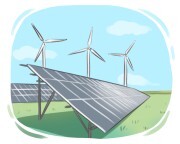
a device that converts the energy of the sun into electricity

an electric current that flows in only one direction
to replace or install new electrical wiring in something, like a building or a machine
an electric current that reverses direction periodically, typically used in power distribution systems due to its efficiency in long-distance transmission
