pattern

Cambridge IELTS 16 - Academic - Test 3 - Listening - Part 3

Here you can find the vocabulary from Test 3 - Listening - Part 3 in the Cambridge IELTS 16 - Academic coursebook, to help you prepare for your IELTS exam.

Review

Flashcards

Forms

Spelling

Quiz
Start learning
Cambridge IELTS 16 - Academic
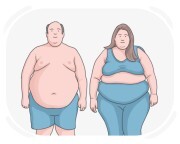
obesity
obesity
[noun]

the condition of having such a high amount of body fat that it becomes very dangerous for one's health

Ex: Obesity rates have been steadily rising worldwide, becoming a major public health concern in many countries. 
Close
Sign in
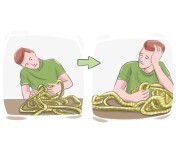
to [tell] the difference

to recognize the dissimilarities between two or more things
Ex: She could tell the difference between the identical twins by their distinct personalities. 
Close
Sign in
artificial
artificial
[Adjective]

made by humans rather than occurring naturally in nature

Ex: Artificial sweeteners are used as sugar substitutes in many food and beverage products. 
Close
Sign in
sweetener
sweetener
[noun]

a substance used to add sweetness to food or beverages

Ex: Can you pass me the sugar packet? I need a sweetener for my tea. 
Close
Sign in
to [take] ages
to take ages
[phrase]

to require a very long time to complete something, often much longer than expected or necessary

Ex: Sometimes, finding a parking space in the city takes ages. 
Close
Sign in
proper
proper
[Adjective]

conforming to the expected standards

Ex: He finally landed a proper job after years of freelancing. 
Close
Sign in
record
record
[noun]

a comprehensive collection of all the known facts and information regarding a particular subject, person, or event, often used for reference, analysis, or evidence
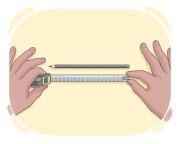
Ex: The medical record contains all the known facts about the patient's health history. 
Close
Sign in
to measure

to find out the exact size of something or someone

Ex: The tailor regularly measures customers to ensure a perfect fit for their clothes. 
Close
Sign in
content
content
[noun]

the proportion of a substance in an alloy or mixture
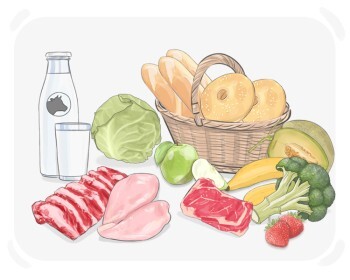
Ex: The metal's content of copper was unusually high. 
Close
Sign in
nutritional
nutritional
[Adjective]

related to the nourishment provided by food and its impact on health, promoting growth and overall bodily well-being
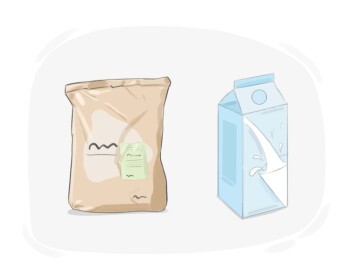
Ex: She paid attention to the nutritional content of her meals to ensure a balanced diet. 
Close
Sign in
packet
packet
[noun]

a small bag typically made of paper, plastic, etc., that can contain various things, such as tea, sugar, or spices

Ex: I used a packet of sauce to flavor the pasta. 
Close
Sign in
to grind up

to crush or break something into small pieces or powder
Ex: The machine grinds up the grain into flour. 
Close
Sign in
to absorb
to absorb
[Verb]

to take in energy, liquid, etc.

Ex: Plants absorb sunlight to produce energy through photosynthesis. 
Close
Sign in
problematic
problematic
[Adjective]

presenting difficulties or concerns, often requiring careful consideration or attention
Ex: The weather conditions were problematic for the hikers trying to reach the summit. 
Close
Sign in
to reckon
to reckon
[Verb]

to think or have an opinion about something
Ex: He reckoned that the project would take longer than anticipated. 
Close
Sign in
scale
scale
[noun]

a device used to weigh people or objects
Ex: The bathroom scale indicated that she had lost a few pounds after her diet and exercise regimen. 
Close
Sign in
to realize

to have a sudden or complete understanding of a fact or situation
Ex: He realized his mistake at once after reviewing the report. 
Close
Sign in
to suspect

to think that something is probably true, especially something bad, without having proof
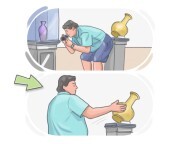
Ex: I suspect he's been lying about where he was last night. 
Close
Sign in
on purpose
on purpose
[Adverb]

in a way that is intentional and not accidental
Ex: She spilled the ink on the paper on purpose to create an artistic effect. 
Close
Sign in
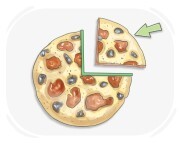
quarter
quarter
[noun]

a portion that represents one-fourth of a whole

Ex: He ate a quarter of the chocolate bar and saved the rest for later. 
Close
Sign in
approach
approach
[noun]

a way of doing something or dealing with a problem

Ex: The teacher's approach to discipline focuses on positive reinforcement. 
Close
Sign in
brisk
brisk
[Adjective]

quick and energetic in movement or action
Ex: She took a brisk walk in the morning to wake herself up. 
Close
Sign in
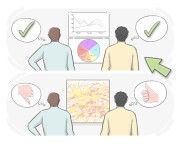
objectively
objectively
[Adverb]

in a manner based on facts rather than personal feelings, opinions, or biases
Ex: The journalist reported objectively, avoiding emotional language. 
Close
Sign in
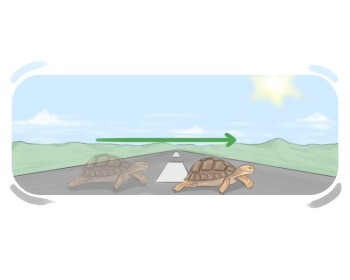
motion
motion
[noun]

a natural process involving a change in position or orientation of an object

Ex: The planet's motion around the sun is elliptical. 
Close
Sign in
sensor
sensor
[noun]

a machine or device that detects any changes in the environment and sends the information to other electronic devices
Ex: The temperature sensor measures the heat in the environment to adjust the heating system. 
Close
Sign in
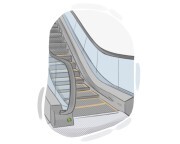
escalator
escalator
[noun]

a staircase that moves and takes people up or down different levels easily, often found in large buildings like airports, department stores, etc.
Ex: The weary travelers rode the escalator down to the baggage claim area after a long flight. 
Close
Sign in
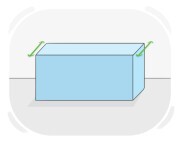
width
width
[noun]

the distance of something from side to side
Ex: The width of the river is about 50 meters. 
Close
Sign in
unconscious
unconscious
[Adjective]

done automatically, without deliberate thought

Ex: He gave an unconscious smile. 
Close
Sign in
modification

the act of making small changes in something, usually for an enhancement

Ex: The modification of the car’s engine increased its performance. 
Close
Sign in
tutor
tutor
[noun]

a teacher at a university or college who helps and guides a group of students with their studies

Ex: The tutor helped me understand the complex concepts in the course. 
Close
Sign in
nutrition
nutrition
[noun]

food that is essential to one's growth and health

Ex: Fruits and vegetables are essential components of a healthy diet, providing valuable nutrition and vitamins to nourish the body. 
Close
Sign in
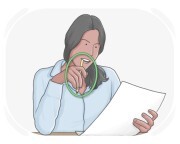
to predict

to say that something is going to happen before it actually takes place
Ex: The meteorologist predicted rain for the weekend based on weather patterns. 
Close
Sign in
sample
sample
[noun]

a randomly selected part of a larger group, put to study in order to gain knowledge or to draw conclusions about the larger group

Ex: The survey included a random sample of 500 households to gather opinions on local transportation issues. 
Close
Sign in
unaware
unaware
[Adjective]

lacking knowledge or realization of a fact or situation

Ex: She remained unaware of the danger lurking nearby. 
Close
Sign in
unsuitable
unsuitable
[Adjective]

not appropriate or fitting for a particular purpose or situation

Ex: The attire he wore was unsuitable for the formal dinner. 
Close
Sign in
finely
finely
[Adverb]

into very small or thin parts

Ex: Chop the parsley finely before adding it to the soup. 
Close
Sign in
deliberately
deliberately
[Adverb]

in a way that is done consciously and intentionally
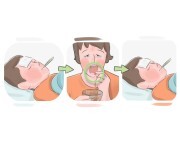
Ex: He deliberately ignored the warning signs. 
Close
Sign in
ineffective
ineffective
[Adjective]

not achieving the desired outcome or intended result
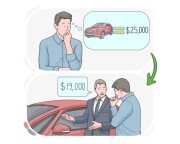
Ex: The medication proved to be ineffective in treating the patient's condition. 
Close
Sign in
to overestimate

to guess or calculate a value, size, or etc. to be higher than it actually is

Ex: I tend to overestimate the time it takes to complete tasks. 
Close
Sign in
practical
practical
[Adjective]

having a design or use that effectively serves a specific need
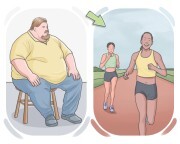
Ex: She wore practical shoes for the long hike. 
Close
Sign in
mobility
mobility
[noun]

the ability to move easily or be freely moved from one place, job, etc. to another
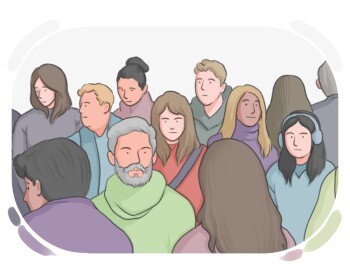
Ex: Mobility in the workforce allows employees to find new job opportunities across industries. 
Close
Sign in
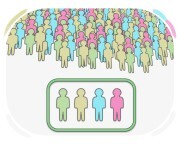
crowd
crowd
[noun]

a large group of people gathered together in a particular place
Ex: The crowd erupted in cheers as the home team scored the first goal of the match. 
Close
Sign in
to illustrate

to explain or show the meaning of something using examples, pictures, etc.

Ex: The teacher illustrated the concept with a simple diagram on the board. 
Close
Sign in
to leave out

to intentionally exclude someone or something

Ex: The author left out a crucial plot point, leaving readers confused and unsatisfied. 
Close
Sign in
content
content
[noun]

the subject matter or information covered in a speech, literary work, or other forms of communication, distinct from its style or presentation

Ex: The book’s content focuses on modern political theories. 
Close
Sign in
slide
slide
[noun]

a single page or screen in a computer-made presentation that shows text, images, or both to explain or share information during a talk

Ex: My first slide gave an overview of the topic. 
Close
Sign in
LanGeek
Download LanGeek app