
Humanitní Vědy SAT - Lidé
Zde se naučíte některá anglická slova související s lidmi, jako jsou "luminary", "vagabond", "posterity" atd., která budete potřebovat k úspěšnému složení SAT.
Revize
Kartičky
tvary
Pravopis
Kvíz


an individual with whom one has established a professional or personal relationship, typically for the purpose of obtaining information, assistance, etc.

kontakt, vztah

a person whom one knows but is not a close friend
známý, vztah
Vždy je příjemné setkat se se známými na společenských setkáních a slyšet o jejich nedávných zážitcích.
a person, typically a child, who demonstrates exceptional talent or ability in a particular area, often beyond what is considered normal for their age
zázračné dítě, zázračné dítě
Umělecký svět oslavil zázračné dítě, jehož obrazy se prodaly za tisíce.
a person who claims to have the ability to perceive events or objects beyond normal sensory capabilities
jasnovidec, věštec
Jeho pověst spolehlivého jasnovidce vzrostla po několika přesných předpovědích globálních událostí.

someone who is deeply interested in and well-informed about a particular topic
nadšenec, odborník
Můj strýc je nadšenec do jazzu—jeho sbírka vinylů je legendární.
an influential individual who inspires or enlightens others
luminář, významná osobnost
Byla považována za světlo ve světě klasické hudby.

a person who behaves in a ridiculous or amusing way, often to entertain others
šašek, klaun
Navzdory své pověsti šaška občas projevil ve svých projevech překvapivou moudrost.

a wanderer who has no settled place to live and travels from place to place
tulák, nomád
Označili ho jako tuláka, někoho, kdo odmítá konvenční život.
a person who illegally hunts or catches wildlife, typically for profit or personal gain
pytlák, nelegální lovec
Místní komunita organizovala hlídky, aby zabránila pytlákům ve vstupu na jejich území.
a person who takes part in an activity for pleasure rather than as a profession
amatér
an individual who illegally and secretly imports or exports goods or people
pašerák, převaděč
Pašerák čelil přísným trestům za pokus o dovoz padělaných výrobků, které porušovaly mezinárodní obchodní zákony.
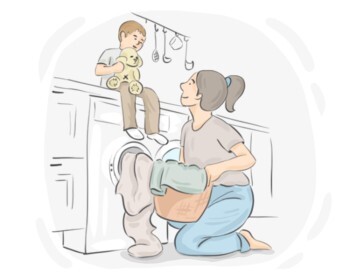
an individual, typically within a family setting, responsible for managing household tasks to create a comfortable and functional living environment
hospodyňka, správkyně domácnosti
Rozhodla se stát se hospodyňkou poté, co si uvědomila svou vášeň pro vytváření příjemné atmosféry pro hosty.
a person who is too ill or disabled to care for themselves or participate in normal activities
invalid, nemocný
Pečovatelé byli vyškoleni, aby se starali o potřeby invalidů, a zajistili tak jejich blaho.
a person who visits unknown places to find out more about them
objevitel, dobrodruh
Snila o tom, že se stane objevitelkou a bude cestovat na vzdálené ostrovy.
someone who aggressively promotes or imposes their religious beliefs on others, often without sensitivity to cultural or personal differences
misionář, evangelizátor
Přístup misionáře byl místní komunitou vnímán jako necitlivý a kolonialistický.
a male resident of a town or city, typically emphasizing a person's connection to and involvement in local community affairs
měšťan, obyvatel
Rodina měšťana žila ve městě po generace, hluboce zakořeněná v jeho tradicích a událostech.
all the people who will come after the current generation
potomstvo, budoucí generace
Vědci zkoumají obnovitelné zdroje energie s cílem zajistit čistší budoucnost pro budoucí generace.
a group of people with a shared characteristic, often studied or observed over a period of time
kohorta, skupina
a small group considered the most powerful, successful, skilled, or privileged within a society or organization
elita, smetánka
someone who acts or serves as a substitute or representative on behalf of another person or entity, often in a legal or formal capacity
náhradník, zástupce
Sloužila jako náhradník pro svou starší sousedku, spravovala její finance a lékařské schůzky.
a military unit typically consisting of several battalions and commanded by a senior officer
pluk, pěší pluk
a military stronghold where soldiers are stationed for defense
posádka, pevnost
Inženýři modernizovali posádku moderní obranou.
a group of people, animals, or vehicles moving ahead in an organized formation
průvod, procesí
Studenti pochodovali v průvodu k promoci.
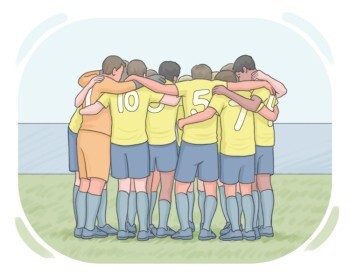
a carefully arranged group of people or things brought together for a particular purpose
sestava, výběr
Galerie umění připravila působivou sestavu obrazů renomovaných umělců pro nadcházející výstavu.
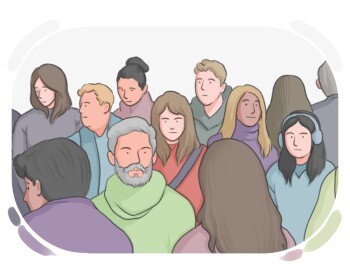
the general population or a large group of people within a society considered collectively
masy, obyvatelstvo
Nová politika získala smíšené reakce od mas, někteří byli pro a jiní proti.
a group of individuals, especially within a community or social setting
lidé, osoby
Potkali jsme několik přátelských lidí při túře v národním parku.
the minimum number of people that must be present for a meeting to officially begin or for decisions to be made
kvorum, minimální požadovaný počet
Je důležité dosáhnout kvóra během schůzí, aby bylo zajištěno, že rozhodnutí jsou přijímána se vstupem reprezentativní skupiny zainteresovaných stran.
a procession or parade, typically consisting of a series of vehicles, horses, or people
kavalkáda, průvod
Velká kavalkáda rytířů a šlechticů označila začátek středověkého festivalu a přilákala diváky z daleka.
a fake name people use for certain activities
pseudonym, krycí jméno
Pseudonym SparkShift skrývá identitu vášnivého obhájce pozitivních změn v online fórech.
a nickname or alias that someone or something is known by, often used informally or affectionately
přezdívka, alias
Přijala přezdívku "DJ Luna", když začala vystupovat v místních klubech.

(of a person) not known by name
anonymní
Novinář obdržel anonymní tip, který vedl k odhalení velkého korupčního skandálu.
influenced or controlled by a demon or spirit
posedlý, ovládaný
Vesničané věřili, že staré sídlo je pronásledováno posedlým duchem.
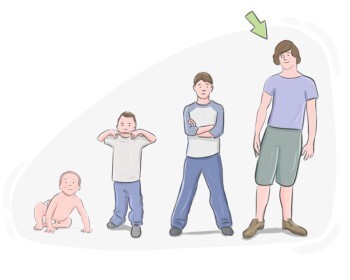
relating to young people who have not reached adulthood yet
mladistvý
Systém mladistvých soudů se zaměřuje na rehabilitaci spíše než na trestání mladistvých pachatelů.
having a great amount of bravery, charisma, and a sense of adventure
dobrodružný, odvážný a charismatický
Obdivovala dobrodružné rytíře v lesklých brněních zobrazené ve středověkých příbězích.

famous and admired by many people
proslulý, renomovaný
Romány slavného autora byly přeloženy do mnoha jazyků.
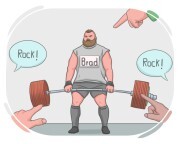
to give someone or something a nickname, often to show affection or to highlight a specific trait
přejmenovat, nazývat
V hudebním průmyslu byl legendární kytarista přezdíván "Král bluesu" za jeho mistrovství v bluesovém žánru.

to become red in the face, especially because of embarrassment, anger, heat, or excitement
zčervenat, začervenat se

to stare openly and foolishly
zírat, hloupě zírat
Když bylo UFO spatřeno na obloze, řidiči na dálnici začali zírat na neobvyklou podívanou.
(of individuals or communities) to be present in a particular area
osídlit, obývat
Různé domorodé kmeny obývaly deštný prales po staletí.
to help end a dispute between people by trying to find something on which everyone agrees
mediovat, zprostředkovat
Sarah nabídla, že bude mediátorem mezi dvěma spolupracovníky, kteří se hádali týdny.
to attempt to repair something in an experimental or unskilled way
bastlit, kutit
Povzbuzovala svého syna, aby si hrál s rozbitou hračkou auta, aby zjistil, zda by ji mohl sám opravit.
to voluntarily relinquish or give up a right, claim, or privilege
vzdát se, ustoupit
Pro tento zvláštní případ upustili od pravidel.

to receive money, property, or possessions from someone after they die
zdědit, dostat

to direct or participate in the management, organization, or execution of something
vést, provádět
to take responsibility for something and start to do it
podniknout, převzít

to put on a piece of clothing or other item worn on the body
obléknout, navléknout

to talk a lot about unimportant things and in a way that may seem foolish
žvanit, kecat
Během dlouhé cesty autem batole žvatlalo o imaginárních přátelích a dobrodružstvích.

to try to make someone love one, especially for marriage
dvořit se, svádět
Byla ohromena jeho snahou jidvořit se, od ručně psaných milostných dopisů po překvapivé víkendové výlety.

to romantically pursue someone by expressing interest and affection to establish a relationship
dvořit se, ucházet se

to go somewhere with someone
doprovázet
