pattern

Humanitní Vědy SAT - Konflikt a Soulad

Zde se naučíte některá anglická slova související s konfliktem a dodržováním, jako je "podvracet", "nutit", "uklidnit" apod., která budete potřebovat k úspěšnému složení SAT.

Revize

Kartičky

tvary

Pravopis

Kvíz

Začněte se učit
SAT Vocabulary for Humanities
to contest
to contest
[sloveso]

to formally challenge, dispute, or oppose a decision, claim, or statement

napadnout,  zpochybnit
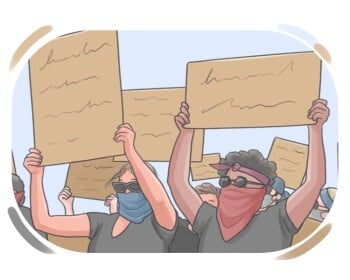
napadnout, zpochybnit

Ex: The election result was contested by the losing candidate. 
to protest
to protest
[sloveso]

to show disagreement by taking action or expressing it verbally, particularly in public

protestovat, demonstrovat

protestovat, demonstrovat

Ex: The scientist protested the misinterpretation of her research findings. 
to challenge
to challenge
[sloveso]

to object to the legality or acceptability of something

napadnout, zpochybnit
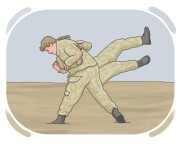
napadnout, zpochybnit

Ex: The attorney challenged the admissibility of the evidence. 
to combat
to combat
[sloveso]

to fight directly against an opponent or opposing force

bojovat,  zápasit

bojovat, zápasit

Ex: The defenders combated the invading army until reinforcements arrived. 
to conflict
to conflict
[sloveso]

(of two ideas, opinions, etc.) to oppose each other

odporovat,  být v rozporu
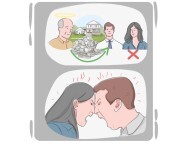
odporovat, být v rozporu

Ex: His personal beliefs often conflict with the principles of his profession, leading to internal struggles. 
to feud
to feud
[sloveso]

to have a lasting and heated argument with someone

hádat se, být v konfliktu

hádat se, být v konfliktu

Ex: The siblings feuded over their inheritance after the parents passed away. 

Sourozenci se hádali o své dědictví po smrti rodičů.
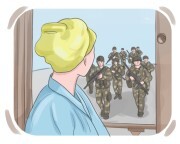
to invade
to invade
[sloveso]

to enter a territory using armed forces in order to occupy or take control of it

vtrhnout, vojensky obsadit

vtrhnout, vojensky obsadit

Ex: Governments around the world are currently considering whether to invade or pursue diplomatic solutions. 

Vlády po celém světě v současné době zvažují, zda napadnout nebo usilovat o diplomatická řešení.
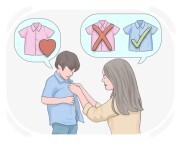
to impose
to impose
[sloveso]

to force someone to do what they do not want

vnucovat, nutit
vnucovat, nutit

Ex: The authoritarian government tried to impose strict regulations on freedom of speech. 
to inflict
to inflict
[sloveso]

to cause or impose something unpleasant, harmful, or unwelcome upon someone or something

způsobit, působit

způsobit, působit

Ex: The war inflicted lasting trauma on the survivors. 

Válka způsobila přeživším trvalé trauma.

to coerce
to coerce
[sloveso]

to force someone to do something through threats or manipulation

nutit, donutit

nutit, donutit

Ex: The manager is coercing employees to work longer hours without proper compensation. 

Manažer nutí zaměstnance pracovat déle bez řádné kompenzace.
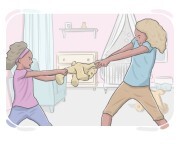
to tussle
to tussle
[sloveso]

to struggle or fight with someone, particularly to get something

prát se, zápasit

prát se, zápasit

Ex: Children on the playground may tussle over a toy they both want to play with. 

Děti na hřišti se mohou prát o hračku, se kterou si chtějí oba hrát.

to bar
to bar
[sloveso]

to not allow someone to do something or go somewhere

zabránit, zakázat

zabránit, zakázat

Ex: Failure to meet the academic requirements could bar a student from participating in certain school activities. 
to abduct
to abduct
[sloveso]

to illegally take someone away, especially by force or deception

unést, odvléct

unést, odvléct

Ex: If the security measures fail, criminals will likely abduct more victims. 

Pokud bezpečnostní opatření selžou, zločinci pravděpodobně unesou více obětí.

to overturn
to overturn
[sloveso]

to cause the downfall or removal of rulers or leaders

svrhnout, převrátit

svrhnout, převrátit

Ex: The uprising aimed to overturn the autocratic ruler and establish a more democratic system. 

Povstání mělo za cíl svrhnout autokratického vládce a vytvořit demokratičtější systém.

to subvert
to subvert
[sloveso]

to cause the downfall of authority figures or rulers

podvrátit, svrhnout

podvrátit, svrhnout

Ex: The coup d'état successfully subverted the existing government. 

Převrat úspěšně svrhl stávající vládu.

to persecute
to persecute
[sloveso]

to treat someone unfairly or cruelly, often because of their race, gender, religion, or beliefs

pronásledovat, utlačovat

pronásledovat, utlačovat

Ex: The group was persecuted for their unconventional lifestyle and beliefs. 

Skupina byla pronásledována za svůj nekonvenční životní styl a přesvědčení.

to conspire
to conspire
[sloveso]

to make secret plans with other people to commit an illegal or destructive act

konspirovat, spiknout se

konspirovat, spiknout se

Ex: The political scandal involved high-profile figures conspiring to manipulate public opinion. 

Politický skandál zahrnoval vysoce postavené osobnosti, které konspirovaly, aby manipulovaly veřejným míněním.

to constrain
to constrain
[sloveso]

to force someone to act in a certain way

nutit, přinutit

nutit, přinutit

Ex: Social expectations constrained them to conform to traditional gender roles. 

Sociální očekávání je nutila přizpůsobit se tradičním genderovým rolím.

to assail
to assail
[sloveso]

to launch a vigorous or violent attack on someone or something, either physically or verbally

napadnout, prudce zaútočit

napadnout, prudce zaútočit

Ex: The boxer assailed his opponent with a flurry of punches in the final round. 

Boxer zaútočil na svého soupeře sprškou úderů v posledním kole.

to overpower
to overpower
[sloveso]

to defeat someone or something using superior strength, force, or influence

přemoci, ovládnout

přemoci, ovládnout

Ex: The security forces worked to overpower the armed intruders and secure the area. 

Bezpečnostní síly pracovaly na přemožení ozbrojených vetřelců a zabezpečení oblasti.

to defy
to defy
[sloveso]

to refuse to respect a person of authority or to observe a law, rule, etc.

vzdorovat, odporovat

vzdorovat, odporovat

Ex: The activists are defying the government's attempt to suppress freedom of speech. 

Aktivisti odmítají pokus vlády potlačit svobodu projevu.

campaign
campaign
[Podstatné jméno]

a set of actions organized in order to serve a political purpose

kampaň
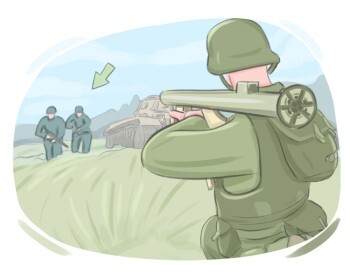
kampaň

Ex: The presidential campaign included speeches in all 50 states. 
adversary
adversary
[Podstatné jméno]

a person that one is opposed to and fights or competes with

protivník, nepřítel

protivník, nepřítel

Ex: The general planned his tactics carefully to counter the enemy's adversary. 

Generál pečlivě naplánoval své taktiky, aby čelil nepřátelskému protivníkovi.

assault
assault
[Podstatné jméno]

an act of crime in which someone physically attacks another person

útok, napadení
útok, napadení

Ex: The police arrested the suspect for assault after he attacked a passerby on the street. 
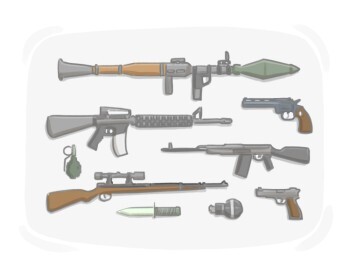
armament
armament
[Podstatné jméno]

the military equipment and weaponry used by a country or military force

výzbroj

výzbroj

Ex: The arms manufacturer showcased its latest armament innovations, attracting interest from various military branches around the world. 

Výrobce zbraní představil své nejnovější inovace v oblasti výzbroje, čímž přilákal zájem různých vojenských odvětví po celém světě.

onslaught
onslaught
[Podstatné jméno]

a fierce and intense attack, often with the goal of overwhelming the opponent

nápor,  ofenzíva

nápor, ofenzíva

Ex: In the final stages of the war, the combined forces launched a coordinated naval and aerial onslaught, leading to the enemy's surrender. 

V závěrečných fázích války zahájily spojené síly koordinovaný námořní a letecký útok, což vedlo k nepřátelské kapitulaci.

dissension
dissension
[Podstatné jméno]

disagreement or conflict within a group expected to collaborate

nesvár,  nesouhlas

nesvár, nesouhlas

Ex: The coach's challenge was not just training the team but also managing the dissension among players. 

Výzvou trenéra nebylo jen trénovat tým, ale také zvládnout nesvár mezi hráči.

hostility
hostility
[Podstatné jméno]

unfriendly or antagonistic feelings, attitudes, or behavior toward someone or something

nepřátelství,  hostility

nepřátelství, hostility

Ex: Years of rivalry had created deep hostility between the families. 
nemesis
nemesis
[Podstatné jméno]

a formidable opponent or persistent force that causes misery, defeat, or downfall

úhlavní nepřítel, nemesis

úhlavní nepřítel, nemesis

Ex: His arrogance was his ultimate nemesis, leading to his professional and personal downfall. 

Jeho arogance byla jeho konečná nemesis, která vedla k jeho profesionálnímu a osobnímu pádu.

contention
contention
[Podstatné jméno]

a state of heated disagreement, often coming from different viewpoints or interests

spor, nesouhlas

spor, nesouhlas

Ex: The historical account was a source of contention among scholars. 

Historický výklad byl zdrojem sporu mezi učenci.

incursion
incursion
[Podstatné jméno]

a sudden and brief attack to other territory, especially in large numbers and across a border

výpad

výpad

fort
fort
[Podstatné jméno]

a strong defensive building or enclosed position designed to resist military attack

pevnost,  tvrz

pevnost, tvrz

Ex: Archaeologists uncovered the remains of a Roman fort near the village. 
confrontation
confrontation
[Podstatné jméno]

a hostile disagreement, dispute, or clash between opposing people or groups

konfrontace,  střetnutí

konfrontace, střetnutí

Ex: Their disagreement quickly developed into a serious confrontation. 
raid
raid
[Podstatné jméno]

a sudden surprise attack on a place or group, especially by an armed force

nájezd,  přepad

nájezd, přepad

Ex: The military launched a raid against the weapons facility. 
defenseless
defenseless
[Přídavné jméno]

being without protection or means of defending oneself from harm or attack

bezbranný, nechráněný

bezbranný, nechráněný

Ex: The storm left many homes defenseless, exposing them to the elements. 

Bouře zanechala mnoho domů bezbranných, vystavujíc je živlům.

disobedient
disobedient
[Přídavné jméno]

refusing or failing to follow rules, orders, or instructions, often showing resistance to authority

neposlušný, vzpurný

neposlušný, vzpurný

Ex: The company's disobedient employee faced disciplinary action for not adhering to workplace policies. 

Neposlušný zaměstnanec společnosti čelil disciplinárnímu opatření za nedodržování pracovních předpisů.

combative
combative
[Přídavné jméno]

eager or inclined to engage in fighting or arguing

bojovný, svárlivý

bojovný, svárlivý

Ex: The meeting quickly became tense due to the combative remarks made by several attendees. 

Schůze rychle nabyla napjaté atmosféry kvůli bojovným poznámkám několika účastníků.

forcibly
forcibly
[Příslovce]

with a significant amount of physical strength or authority

násilně, silou

násilně, silou

Ex: The suspect was forcibly restrained by the security guards until the authorities arrived. 

Podezřelý byl násilně zadržen bezpečnostními strážci, dokud nepřišly úřady.
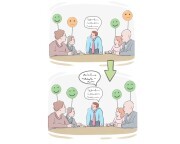
to appease
to appease
[sloveso]

to end or lessen a person's anger by giving in to their demands

uklidnit, utišit

uklidnit, utišit

Ex: The leader's decision to address the issues directly appeased the public's outrage. 

Vůdcovo rozhodnutí přímo řešit problémy uklidnilo veřejné pobouření.
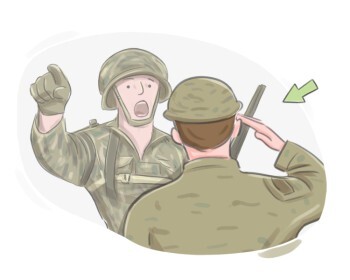
to comply
to comply
[sloveso]

to act according to a rule, law, order, or request

dodržovat,  vyhovět

dodržovat, vyhovět

Ex: The building was modified to comply with new fire safety standards. 
to abide
to abide
[sloveso]

(always negative) to tolerate someone or something

snášet, tolerovat

snášet, tolerovat

Ex: The manager made it clear that the company could not abide unethical behavior. 

Manažer jasně řekl, že společnost nemůže tolerovat neetické chování.

to adhere
to adhere
[sloveso]

to devotedly follow or support something, such as a rule, belief, plan, etc.

dodržovat, věrně následovat

dodržovat, věrně následovat

Ex: He adheres to the teachings of his faith and practices them devoutly. 

On dodržuje učení své víry a zbožně je praktikuje.
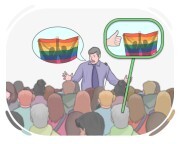
to embrace
to embrace
[sloveso]

to willingly accept, adopt, or begin supporting an idea, belief, practice, or way of life

Ex: The organization has fully embraced the idea of flexible working. 
resolution
resolution
[Podstatné jméno]

the act of solving a problem, dispute, or difficulty

řešení, vyřešení

řešení, vyřešení

Ex: Quick resolution of the conflict prevented further tension. 
reconciliation
reconciliation
[Podstatné jméno]

the act of becoming friendly with someone once more after ending a disagreement

usmíření

usmíření

compromise
compromise
[Podstatné jméno]

a middle position or solution that combines different or opposing qualities

Ex: The apartment was a reasonable compromise between size and location. 
submissive
submissive
[Přídavné jméno]

showing a tendency to be passive or compliant

podřízený, poslušný

podřízený, poslušný

Ex: His submissive behavior in the relationship showed his willingness to prioritize his partner’s needs over his own. 

Jeho podřízené chování ve vztahu ukázalo jeho ochotu upřednostňovat potřeby partnera před svými vlastními.

LanGeek
Stáhnout aplikaci LanGeek