
Základní Slovní Zásoba pro Zkoušku SAT - Užitečné Idiomy
Zde se naučíte některé užitečné anglické idiomy, jako jsou "bent on", "hold true", "final frontier" atd., které budete potřebovat k úspěšnému složení SATs.
Revize
Kartičky
Pravopis
Kvíz
![to [take] {sb/sth} for granted](https://cdn.langeek.co/photo/44572/thumb/350?type=jpeg "to [take] {sb/sth} for granted")
to not appreciate a person or thing because one thinks one will never lose them

brát jako samozřejmost, nevážit si
Nikdy neber své zdraví jako samozřejmost.
![to [hold] {one's} tongue](/assets/img/no-pic-700w.png "to [hold] {one's} tongue")
to refrain from speaking or expressing one's thoughts or opinions
držet jazyk za zuby, mlčet
Otec mi řekl, ať držím jazyk za zuby a nejdřív poslouchám.
to appeal to someone's particular interests or preferences
padnout do oka, být po chuti
Ta práce je dobře placená, ale samotná náplň mi moc nevoní.
to fail to deal with all aspects of a problem, topic, etc.
jen se dotknout povrchu, nejít do hloubky
Její článek je užitečný, ale tématu se dotýká jen velmi povrchně.
determined or fully committed to pursuing a particular course of action
odhodlaný, plně oddaný
to reach a point where gains equal losses, resulting in a balance
to create a situation in which it is easier for one to do something or for something to happen
připravit půdu, usnadnit cestu
Jejich vítězství připravilo půdu pro vstup více žen do tohoto sportu.
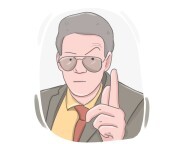
constantly paying attention to a person or thing to prevent a problem, danger, etc.
být ve střehu, dávat pozor na
Dávej pozor na podezřelé e-maily a neotvírej divné odkazy.
to benefit from two opposing or contradictory situations or options at the same time
chtít mít obojí, sedět na dvou židlích
Jestli chceš důvěru týmu, nemůžeš před nimi zároveň tajit informace.
to expand one's knowledge, experiences, or perspectives, often by exploring new places, ideas, or cultures, with the aim of gaining a broader understanding of the world
rozšířit si obzory, otevřít si nové pohledy
Když budeš mluvit jen s lidmi, kteří s tebou souhlasí, obzory si nerozšíříš.
![to [jump] the gun](https://cdn.langeek.co/photo/44196/thumb/350?type=jpeg "to [jump] the gun")
to do something too earlier than its right time
unáhlit se, předběhnout události
Neunáhlujme se a neoslavujme, dokud nebudou výsledky oficiální.
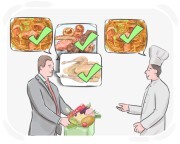
the state in which one is completely free to do or say what one desires
volná ruka, naprostá volnost
Potřebuje volnou ruku k experimentování, jinak bude design působit obyčejně.
used to indicate that after a key event, the following developments are well-known or self-explanatory
zbytek už znáte, pak už to šlo samo
Jeden telefonát změnil všechno a zbytek už znáte.
![to [take] a back seat](https://cdn.langeek.co/photo/43174/thumb/350?type=jpeg "to [take] a back seat")
to accept a less important, less visible, or secondary role compared to someone else
ustoupit do pozadí, přenechat hlavní roli jinému
Jak jeho děti rostly, jeho vlastní ambice ustoupily do pozadí.
to experience a period of financial or personal difficulty
no longer popular, accepted, or supported by others
a significant difference between two things, often in a disappointing or unfavorable way
na hony vzdálený něčemu, mít k něčemu hodně daleko
Život v hlavním městě byl na hony vzdálený tiché vesnici, kde vyrůstala.
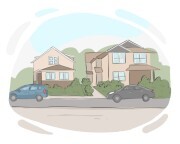
an area that is near a place in which someone resides
náš kraj, naše okolí
Zná každý malý obchod v tomhle kraji.
to twist and rub one's hands together out of distress or worry
an unexpected or unusual occurrence or event that alters the course of events
hříčka osudu, nečekaný zvrat osudu
Podivná hříčka osudu ho dostala na správné místo v přesně správný čas.
![to [have|get] {one's} (own|) way](https://cdn.langeek.co/photo/39671/thumb/350?type=jpeg "to [have|get] {one's} (own|) way")
to get or do what one wants despite the odds or other people's desires
prosadit si svou, dosáhnout svého
Moje sestra nepřestane, dokud si neprosadí svou.
to enjoy or use something as much or as often as one can
vytěžit z něčeho maximum, co nejlépe využít
Jídla už moc nezbylo, ale využili jsme co nejlépe to, co jsme měli.
![to [carry] a tune](https://cdn.langeek.co/photo/38711/thumb/sing/350?type=jpeg "to [carry] a tune")
to produce correct musical sounds by one's voice
udržet melodii, zpívat čistě
Nemusíš být dokonalý; stačí se snažit udržet melodii.
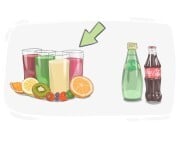
something that proves useful or valuable for a given purpose
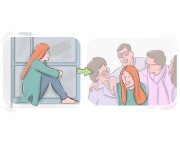
used to refer to someone who has become more comfortable or confident in conversing with people
Otevřít se lidem, Být otevřenější
Dej jí čas; brzy se otevře.
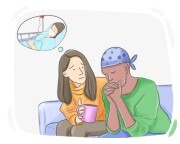
in a similar or identical situation to someone else, particularly a difficult or unpleasant one
být na jeho místě, v jeho situaci
Kritizovat je snadné, když nejsi na jejich místě.
the limits of human knowledge or understanding, representing areas that remain unknown or unexplored
poslední hranice poznání, krajní mez poznání
Někteří umělci vidí v tichu poslední hranici hudby.
in a sudden and unexpected manner, emphasizing the element of surprise
zničehonic, bez varování
Právě když jsme to chtěli vzdát, zničehonic se objevilo řešení.
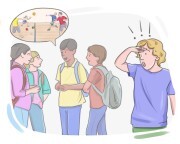
not being aware of recent information about something
mimo dění, nemít aktuální informace
Asi jsem mimo dění, protože jsem o nové politice neslyšel.
![to [know] better](https://cdn.langeek.co/photo/42510/thumb/350?type=jpeg "to [know] better")
to be wise enough to avoid certain behaviors or thoughts
mít dost rozumu, vědět, že to nemá dělat
Po loňské chybě máme dost rozumu na to, abychom nezačínali bez záložního plánu.
to feel relief or relaxation because a period of worry, stress, or anticipation has passed
vydechnout úlevou, ulevit si
Celý tým vydechl úlevou, když se termín posunul.
to be occupied by a large number of things
praskat ve švech, být narvaný k prasknutí
V prosinci sklad praskal ve švech svátečním zbožím.
a point in a person's life or a situation where they must make a critical decision or choose between two different options or paths
rozcestí, zásadní rozhodnutí
Maturita byla pro něj rozcestím; musel se rozhodnout mezi kariérou v zahraničí nebo zůstat ve svém rodném městě.
in a way that goes unnoticed or avoids attracting any attention
nenápadně, nenápadný způsob
Hnutí rostlo nenápadně po léta.
(with reference to two things) in contrast to each other instead of correspondence
v rozporu s, neslučitelný s
Závěr zprávy je v rozporu s údaji v jejích vlastních tabulkách.
to use something for personal gain in an unfair or dishonest manner
the obvious meaning or worth of something, without looking deeper
nominální hodnota, zjevný význam
Na první pohled se dohoda zdála spravedlivá, ale bližší pohled odhalil skryté náklady.
the opposite or contrasting aspect of a situation, idea, or argument
druhá stránka věci, opačná stránka
Přesunem online ušetřili peníze; druhou stránkou věci byla ztráta osobního kontaktu se zákazníky.
![to [drag] {one's} name through the (mud|mire)](https://cdn.langeek.co/photo/41017/thumb/350?type=jpeg "to [drag] {one's} name through the (mud|mire)")
to make unfavorable remarks about someone
pošpinit něčí jméno, očernit někoho
Soupeřící tým se před volbami pokusil pošpinit jeho jméno.
to be dismissed or expelled from a place, job, or position
letět na hodinu, vyhodit někoho na dlažbu
Po měsících neplaceného nájmu nájemníci letěli na ulici.
![to [go] through the motions](https://cdn.langeek.co/photo/44374/thumb/350?type=jpeg "to [go] through the motions")
to do something without real interest, feeling, or effort
dělat něco jen naoko, jet na autopilota
Ta omluva zněla, jako by ji říkal jen naoko.
to have a significant impact or influence on something
výrazně zasáhnout do něčeho, pronikat do něčeho
Levný dovoz výrazně zasáhl do místního trhu.
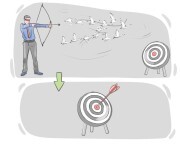
firmly determined and focused on the task at hand
pevně rozhodnutý, umíněný to dotáhnout
Studenti byli pevně rozhodnutí soutěž vyhrát.
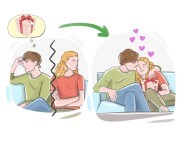
a point at which a drastic change occurs in a situation, especially one that makes it improve
zlomový okamžik, bod obratu
Stěhování do menšího města se stalo zlomem v jejich rodinném životě.
to provide clarification, understanding, or insight into a topic, situation, or problem
vnést do věci světlo, objasnit něco
Staré dopisy objasnily, proč se rozhodla město opustit.
to naturally fit or suit a particular use or situation
hodit se k, být vhodný pro
Tohle téma se nehodí pro krátkou odpověď.
