
Vocabulario para IELTS Academic (Puntuación 6-7) - Guerra
Aquí, aprenderás algunas palabras en inglés relacionadas con la guerra que son necesarias para el examen académico IELTS.
Revisión
Tarjetas de memoria
formas
Ortografía
Cuestionario

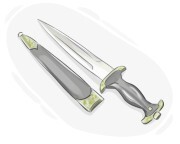
a short weapon with a pointed blade

puñal, daga
El museo de artefactos históricos exhibió una colección de dagas ornamentadas de diferentes culturas.

an explosive that is very powerful
dinamita
La dinamita revolucionó las industrias de la construcción y la minería al permitir voladuras controladas de roca y tierra.
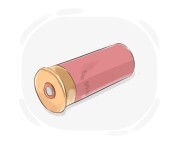
a component of ammunition that is loaded into a firearm, including a casing or a hull, gunpowder, a primer, and a projectile
proyectil, cartucho
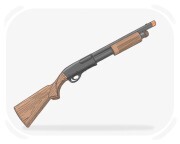
a long gun that can shoot multiple small bullets at one time, suitable for hunting animals such as birds
escopeta, cañón recortado

a piece of military equipment that is put on or just under the ground or in the sea, which explodes when it is touched
mina
a state of unfriendly relationship between two states which are not openly at war with each other
guerra fría
Los intercambios culturales eran raros durante la guerra fría entre las dos regiones.
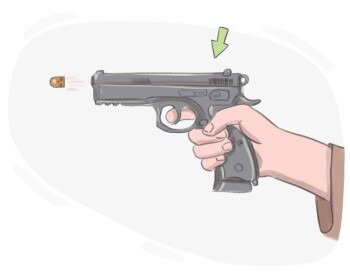
a portable weapon that uses controlled explosions to propel a projectile through a barrel
arma de fuego, arma de mano
Los oficiales de policía están entrenados para usar una variedad de armas de fuego con fines de aplicación de la ley.
a mid-ranking officer in the armed forces, responsible for commanding troops and assisting superior officers
teniente, oficial subalterno
a military group consisting of civilians who have been trained as soldiers to help the army in emergencies
milicia
Los miembros de la milicia se sometieron a un entrenamiento riguroso para asegurar que pudieran asistir efectivamente al ejército durante emergencias.
a long narrow hole dug in the ground in which soldiers move and are protected from enemy fire
trinchera
Durante la Primera Guerra Mundial, la guerra de trincheras se convirtió en una forma de combate agotadora y mortal en el Frente Occidental.
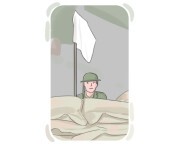
to stop fighting or resisting and accept defeat
rendirse
a surprise attack or trap set by one party against another, typically while the targeted party is unaware or unprepared
emboscada, celada
La policía preparó una emboscada para capturar al fugitivo mientras pasaba por el callejón estrecho.
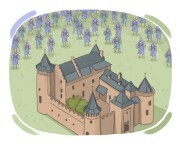
to surround a place, typically with armed forces, in order to force those inside to give up or surrender
asediar, rodear
Los manifestantes buscaron asediar el edificio del gobierno para exigir un cambio.
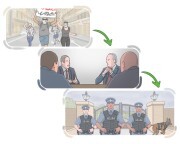
to position soldiers or equipment for military action
desplegar
En respuesta a la amenaza, se ordenó al ejército desplegar unidades adicionales en la frontera.
a sudden surprise attack on a place or group, especially by an armed force
incursión, asalto
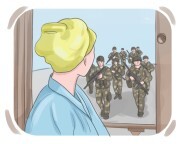
to enter a territory using armed forces in order to occupy or take control of it
invadir
Los conquistadores estaban decididos a invadir la isla y reclamarla para su imperio.
to secure a place and make it resistant against attacks, particularly by building walls around it
fortificar
El ejército comenzó a fortificar su posición construyendo barreras y trincheras adicionales.
a brief violent fight or military confrontation between opposing sides
enfrentamiento, escaramuza
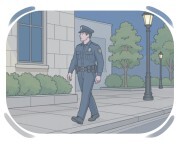
the act of regularly moving around an area to check for danger, crime, or other problems
patrulla
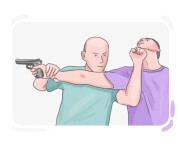
to deprive someone or something of weapons or the ability to cause harm
desarmar, neutralizar
Se hicieron esfuerzos internacionales para desarmar a los grupos rebeldes y promover la estabilidad en la región.
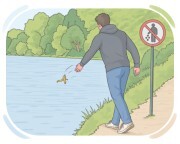
an act that violates an agreement, law, etc.
infracción, violación
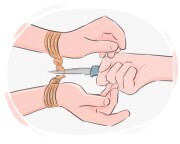
to free someone or something from oppression or captivity
liberar
La misión del héroe era liberar a los rehenes capturados del bastión enemigo.
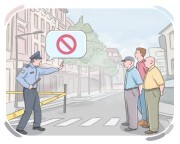
to push away or cause something or someone to retreat or withdraw
repeler
El spray repelió eficazmente a los mosquitos, evitando que picaran.
to recruit or engage an individual for service in the military
alistar, reclutar
En tiempos de paz, las fuerzas armadas aún alistan activamente personal para entrenamiento y preparación.
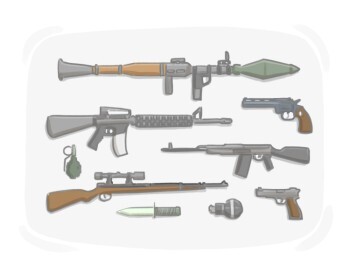
a weapon or tool used for fighting or hunting
arma, armamento
to participate in and carry out a specific action, such as a war or campaign
conducir, llevar
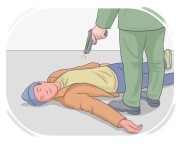
to seriously injure or kill a person by shooting them, particularly someone who is defenseless
herir gravemente o matar a alguien a tiros, acribillar a alguien especialmente si está indefenso
Ella quedó horrorizada cuando supo que su hermano había sido abatido en un tiroteo desde un vehículo.
an attack made in response to someone else's attack
contraataque
Un contraataque rápido cambió el rumbo de la batalla.
foot soldiers who fight on the ground with small arms
infantería, soldados de infantería
La infantería jugó un papel fundamental en la defensa de la ciudad, resistiendo los ataques enemigos.
a temporary peace during a battle or war when discussions regarding permanent peace is taking place
alto el fuego, cese del fuego
Ambos ejércitos respetaron el alto el fuego y detuvieron sus ataques.
a defensive structure or system constructed to protect an area or position from enemy attacks, typically including walls, towers, and other defensive elements
fortificación, estructura defensiva
nnecessary spilling of blood, typically resulting from battles, conflicts, or acts of aggression
derramamiento de sangre
Los soldados estaban atormentados por los recuerdos del derramamiento de sangre que presenciaron en el campo de batalla.
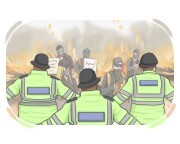
to bring something or someone under control, often using authority or force
dominar
La intervención militar ha logrado sofocar la insurgencia en la región.
o remove or reduce military forces, weapons, or military capabilities from a region, area, or entity, typically as part of a peace agreement, disarmament treaty, or unilateral decision to promote peace
desmilitarizar, desarmar
Tras el final del conflicto, la nación emprendió un proceso para desmilitarizar sus fuerzas militares.
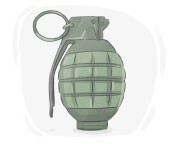
a small bomb that explodes in a few seconds, can be thrown by hand or fired from a gun
granada
El sonido de la granada explotando resonó en el campo de batalla.
