
Słownictwo do IELTS Academic (Wynik 6-7) - Wojna
Tutaj nauczysz się niektórych angielskich słów związanych z wojną, które są niezbędne do akademickiego egzaminu IELTS.
Przegląd
Fiszki
formy
Pisownia
Test

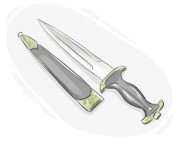
a short weapon with a pointed blade

sztylet, dagger
Rycerz nosił sztylet jako broń zapasową na wypadek zgubienia lub złamania miecza.

an explosive that is very powerful
dynamit, bardzo silny materiał wybuchowy
Użycie dynamitu w projektach rozbiórkowych umożliwia precyzyjne i efektywne usuwanie konstrukcji.
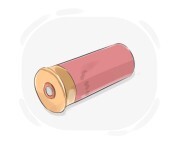
a component of ammunition that is loaded into a firearm, including a casing or a hull, gunpowder, a primer, and a projectile
pocisk, łuska
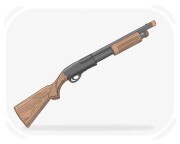
a long gun that can shoot multiple small bullets at one time, suitable for hunting animals such as birds
strzelba, broń myśliwska

a piece of military equipment that is put on or just under the ground or in the sea, which explodes when it is touched
mina, urządzenie wybuchowe
a state of unfriendly relationship between two states which are not openly at war with each other
zimna wojna, ukryty konflikt
Zimna wojna doprowadziła do wyścigu zbrojeń, obie strony zwiększały swoje zdolności wojskowe.
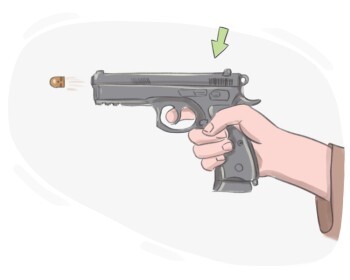
a portable weapon that uses controlled explosions to propel a projectile through a barrel
broń palna, pistolet
Żołnierz starannie wyczyścił swoją broń palną po powrocie z służby.
a mid-ranking officer in the armed forces, responsible for commanding troops and assisting superior officers
porucznik, oficer średniego szczebla
a military group consisting of civilians who have been trained as soldiers to help the army in emergencies
milicja, gwardia narodowa
Podczas Wojny Rewolucyjnej milicje odegrały kluczową rolę w zabezpieczaniu zwycięstw nad siłami brytyjskimi.
a long narrow hole dug in the ground in which soldiers move and are protected from enemy fire
okop, rów
Inżynierowie wzmocnili okop drewnianymi belkami, aby zapobiec jego zawaleniu się podczas ulewnych deszczów.
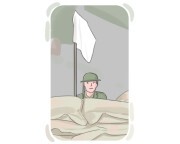
to stop fighting or resisting and accept defeat
poddawać się
a surprise attack or trap set by one party against another, typically while the targeted party is unaware or unprepared
zasadzka, pułapka
Bandyci wyszli z krzaków, urządzając brutalną zasadzkę na karawanę.
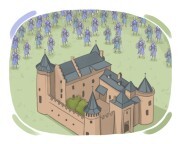
to surround a place, typically with armed forces, in order to force those inside to give up or surrender
oblegąć, otaczać
W średniowiecznej wojnie powszechne było obleganie zamków w celu przejęcia kontroli.
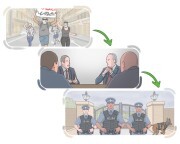
to position soldiers or equipment for military action
rozmieścić, rozstawić
Aby zabezpieczyć teren, dowódca zdecydował się rozmieścić punkty kontrolne wzdłuż kluczowych tras.
a sudden surprise attack on a place or group, especially by an armed force
najazd, wypad
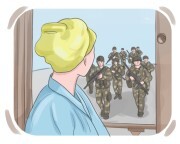
to enter a territory using armed forces in order to occupy or take control of it
najechać, zająć militarnie
W zeszłym roku siły militarne skutecznie najechały i zajęły sporny obszar.
to secure a place and make it resistant against attacks, particularly by building walls around it
wzmocnić, ufortyfikować
Armia zaczęła umacniać swoją pozycję, budując dodatkowe bariery i rowy.
a brief violent fight or military confrontation between opposing sides
starcie, potyczka
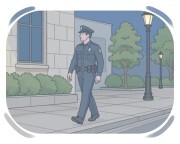
the act of regularly moving around an area to check for danger, crime, or other problems
patrol, obchód
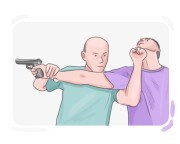
to deprive someone or something of weapons or the ability to cause harm
rozbroić, zneutralizować
Superbohater użył swoich mocy, aby rozbroić przestępców bez uciekania się do przemocy.
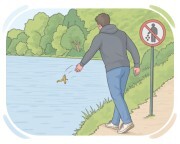
an act that violates an agreement, law, etc.
naruszenie, pogwałcenie
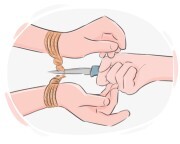
to free someone or something from oppression or captivity
wyzwolić, uwolnić
Zespół ratunkowy uwolnił zakładników po śmiałej operacji.
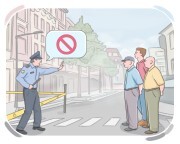
to push away or cause something or someone to retreat or withdraw
odpychać, odstraszać
Spray skutecznie odstraszał komary, zapobiegając ich ugryzieniom.
to recruit or engage an individual for service in the military
zwerbować, rekrutować
W miarę narastania napięć wojsko zintensyfikowało wysiłki, aby zwerbować zarówno doświadczonych, jak i nowych rekrutów.
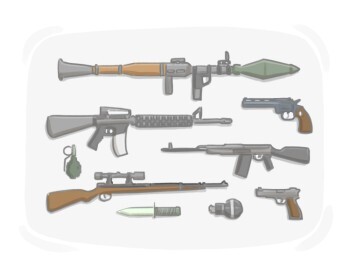
a weapon or tool used for fighting or hunting
broń, uzbrojenie
to participate in and carry out a specific action, such as a war or campaign
prowadzić, przeprowadzać
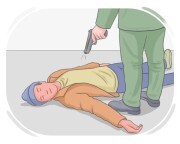
to seriously injure or kill a person by shooting them, particularly someone who is defenseless
ciężko zranić lub zabić kogoś strzałami, zastrzelić osobę zwłaszcza bezbronną
Przestępcy zastrzelili strażnika podczas napadu.
an attack made in response to someone else's attack
kontratak, odpowiedź
Rebelianci zorganizowali kontratak, aby odeprzeć posuwające się naprzód wojska.
foot soldiers who fight on the ground with small arms
piechota, żołnierze piechoty
Jako wojska pierwszej linii, piechota przyjęła na siebie główny ciężar ognia wroga podczas ataku.
a temporary peace during a battle or war when discussions regarding permanent peace is taking place
zawieszenie broni, rozejm
Zawieszenie broni było oznaką postępu w negocjacjach pokojowych.
a defensive structure or system constructed to protect an area or position from enemy attacks, typically including walls, towers, and other defensive elements
fortyfikacja, struktura obronna
nnecessary spilling of blood, typically resulting from battles, conflicts, or acts of aggression
rozlew krwi, rzeź
Wysiłki dyplomatyczne miały na celu wynegocjowanie pokojowego porozumienia i zakończenie cyklu przelewu krwi.
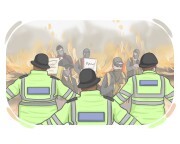
to bring something or someone under control, often using authority or force
podporządkować, poskromić
Służby bezpieczeństwa szybko stłumiły zamieszki przy minimalnych stratach.
o remove or reduce military forces, weapons, or military capabilities from a region, area, or entity, typically as part of a peace agreement, disarmament treaty, or unilateral decision to promote peace
demilitaryzować, rozbroić
Narastała międzynarodowa presja, aby reżim zdemilitaryzował się i przeszedł do rządów cywilnych.
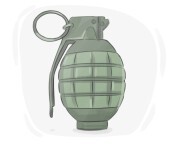
a small bomb that explodes in a few seconds, can be thrown by hand or fired from a gun
granat, urządzenie wybuchowe
Dźwięk eksplodującego granatu rozległ się po polu bitwy.
