Словарный запас для IELTS Academic (Оценка 6-7) - Война
Здесь вы выучите некоторые английские слова, связанные с войной, которые необходимы для академического экзамена IELTS.
Обзор
Флэш-карточки
формы
Правописание
Тест

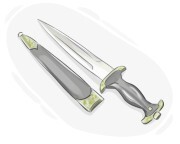
a short weapon with a pointed blade

кинжал
Убийца спрятал кинжал в своем плаще, приближаясь к цели.

an explosive that is very powerful
динамит
Динамит — это взрывчатое вещество, состоящее из нитроглицерина, поглощенного инертным веществом, обычно опилками или глиной.
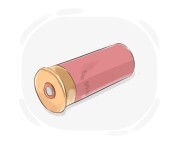
a component of ammunition that is loaded into a firearm, including a casing or a hull, gunpowder, a primer, and a projectile
снаряд
Солдат осторожно зарядил снаряд в пушку, готовясь к следующему залпу артиллерийского огня.
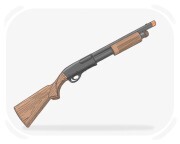
a long gun that can shoot multiple small bullets at one time, suitable for hunting animals such as birds
дробовик

a piece of military equipment that is put on or just under the ground or in the sea, which explodes when it is touched
мина
В документальном фильме было подчеркнуто долгосрочное воздействие мин на гражданское население.
a state of unfriendly relationship between two states which are not openly at war with each other
холодная война
Две нации находятся в состоянии холодной войны уже десятилетиями, избегая прямого конфликта.
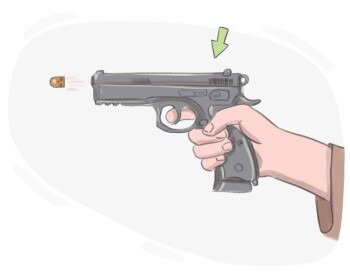
a portable weapon that uses controlled explosions to propel a projectile through a barrel
огнестрельное оружие, пистолет
Он всегда носит скрытое огнестрельное оружие для самообороны.
a mid-ranking officer in the armed forces, responsible for commanding troops and assisting superior officers
лейтенант, младший офицер
Она была повышена до лейтенанта после демонстрации исключительных лидерских качеств в бою.
a military group consisting of civilians who have been trained as soldiers to help the army in emergencies
ополчение
Ополчение было мобилизовано для оказания помощи в ликвидации последствий стихийного бедствия после того, как землетрясение опустошило регион.
a long narrow hole dug in the ground in which soldiers move and are protected from enemy fire
траншея, окоп
Солдаты сгрудились в окопе, ожидая сигнала для продвижения через нейтральную полосу.
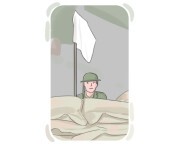
to give up resistance or stop fighting against an enemy or opponent
сдаваться
Столкнувшись с подавляющими силами, армия решила капитулировать, чтобы избежать дальнейшего кровопролития.
a surprise attack or trap set by one party against another, typically while the targeted party is unaware or unprepared
устраивать засаду
Солдаты часами лежали в засаде, готовясь к засаде на вражеский конвой.
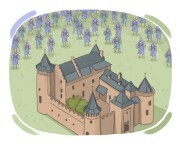
to surround a place, typically with armed forces, in order to force those inside to give up or surrender
осаждать, окружать
Армия решила осадить вражескую крепость, чтобы ослабить её оборону.
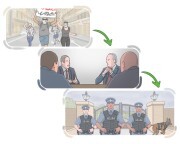
to position soldiers or equipment for military action
развёртывать
Генерал решил развернуть войска по периметру для оборонительной позиции.
a surprise attack against a place or a group of people
рейд, набег
Подразделение спецназа запланировало ночной рейд на вражеский комплекс для захвата высокопоставленных целей.
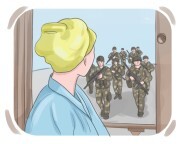
to enter a territory using armed forces in order to occupy or take control of it
вторгаться
Армия решила вторгнуться в соседнюю страну, чтобы обеспечить жизненно важные ресурсы.
to secure a place and make it resistant against attacks, particularly by building walls around it
укреплять
Древние городские стены были построены, чтобы укрепить поселение от вторгающихся армий.
a violent confrontation or battle between opposing military forces
столкновение, конфликт
Столкновение между двумя армиями длилось часами, и ни одна из сторон не получила решающего преимущества.
the act of going around a place at regular intervals to prevent a crime or wrongdoing from being committed
патрулирование
Полицейский провел патрулирование района, чтобы обеспечить безопасность жителей.
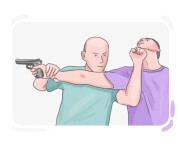
to deprive someone or something of weapons or the ability to cause harm
разоружать, обезвреживать
Полицейские работали над тем, чтобы мирно разоружить подозреваемого, удерживающего заложников.
an act that violates an agreement, law, etc.
нарушение
Несанкционированное использование компанией данных клиентов было явным нарушением соглашения о конфиденциальности.
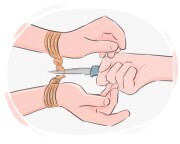
to free someone or something from oppression or captivity
освобождать
Армия стремилась освободить угнетённый народ от тиранического режима.
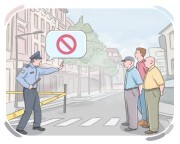
to push away or cause something or someone to retreat or withdraw
отталкивать
Рыцарь поднял свой щит, чтобы отразить летящие стрелы.
to recruit or engage an individual for service in the military
вербовать, набирать
Армия решила завербовать новых солдат для укрепления своих рядов.
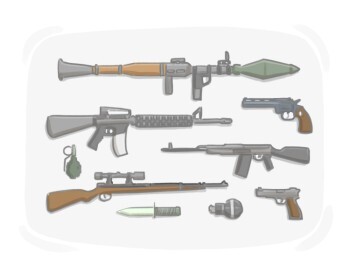
a weapon or tool used for fighting or hunting
оружие, вооружение
to participate in and carry out a specific action, such as a war or campaign
вести
Экологические активисты ведут кампанию по повышению осведомленности о важности сохранения природы.
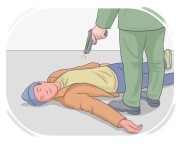
to seriously injure or kill a person by shooting them, particularly someone who is defenseless
застрелить
Нападавший попытался застрелить свою цель в переполненном рынке.
an attack made in response to someone else's attack
ответный удар
Армия начала контратаку, чтобы вернуть потерянную территорию.
foot soldiers who fight on the ground with small arms
пехота, пехотинцы
Пехота осторожно продвигалась через густой лес, высматривая передвижения врага.
a temporary peace during a battle or war when discussions regarding permanent peace is taking place
прекращение огня
Обе стороны согласились на перемирие, чтобы позволить начать мирные переговоры.
a defensive structure or system constructed to protect an area or position from enemy attacks, typically including walls, towers, and other defensive elements
укрепление, оборонительное сооружение
nnecessary spilling of blood, typically resulting from battles, conflicts, or acts of aggression
кровопролитие
Война принесла в регион беспрецедентное кровопролитие, унеся бесчисленные жизни.
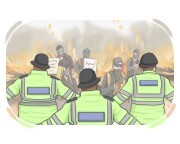
to bring something or someone under control, often using authority or force
подчинять
Полицейскому пришлось усмирить подозреваемого во время стычки.
o remove or reduce military forces, weapons, or military capabilities from a region, area, or entity, typically as part of a peace agreement, disarmament treaty, or unilateral decision to promote peace
демилитаризировать, разоружать
После подписания мирного договора обе стороны согласились демилитаризировать приграничный регион.