
Phrasal Verbs Usando 'Off' & 'In' - Mudarse, Irse o Escapar (Fuera)
Aprende los verbos frasales con off relacionados con alejarse, abandonar un lugar, partir, escapar, ponerse en camino y tomar distancia de personas o situaciones.
Revisión
Tarjetas de memoria
formas
Ortografía
Cuestionario

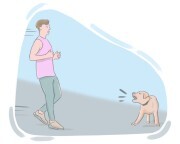
to move away from a person, thing, or situation

alejarse de alguien o algo, retroceder
Se le pidió a la multitud que retrocediera para darle a los equipos de emergencia espacio para trabajar.
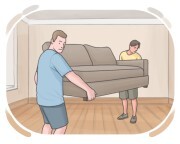
to take something or someone away from a place or situation and move them to a different one
llevarse, trasladar a otro lugar
El servicio de entrega llevará el paquete desde el almacén hasta su puerta.
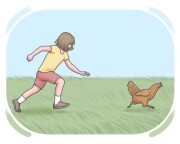
to forcefully make someone or something leave by chasing after them threateningly
ahuyentar persiguiendo, obligar a irse mediante amenazas y persecución
El agricultor tuvo que ahuyentar a los cuervos para proteger sus cultivos.
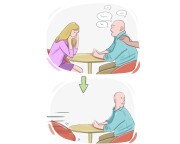
to quickly leave a place
marcharse rápidamente, salir con prisa
Al escuchar la noticia, tuvo que salir corriendo de la reunión para ocuparse de un asunto personal.
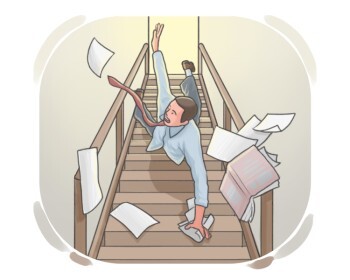
to fall from a particular position to the ground
caerse de, caer desde una posición al suelo
Se cayó y se raspó la rodilla mientras andaba en bicicleta.
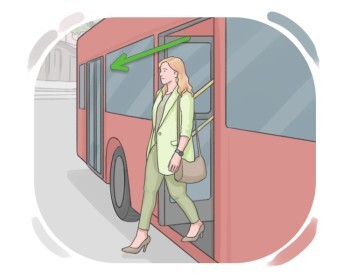
to leave a bus, train, airplane, etc.
bajarse de un vehículo, salir de un autobús tren o avión
Ella bajó del autobús en la siguiente parada.
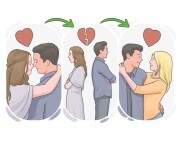
to leave one's spouse or partner to pursue a romantic relationship with someone else
dejar a la pareja por otra persona, iniciar una relación con otra persona
El escándalo estalló cuando se fue con la mejor amiga de su esposa.
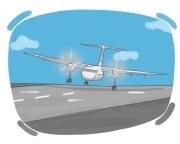
(of a spacecraft or aircraft) to leave the ground, particularly vertically
despegar, elevarse en el aire especialmente de forma vertical
El avión rodó por la pista, sus motores ganando potencia, y luego despegó suavemente hacia el cielo azul despejado.
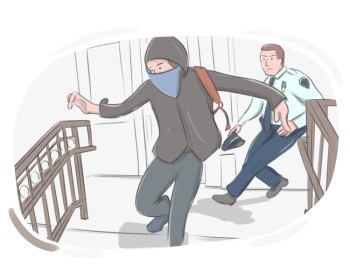
to leave quickly, often in order to escape or avoid someone or something
escapar rápidamente, irse para escapar de alguien o algo
Los ladrones se escaparon con todo el dinero.
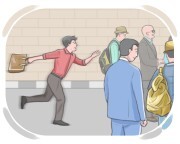
to go somewhere, especially in a hurry or with little preparation
irse apresuradamente a algún lugar, marcharse rápido con poca preparación
Recibieron un consejo sobre una venta secreta y se largaron al centro comercial inmediatamente.
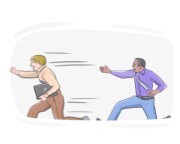
to leave somewhere with something that one does not own
huir llevándose algo ajeno, llevarse algo ajeno y escapar
Alguien se escapó con mi paraguas mientras estaba brevemente dentro de la tienda.

to leave quickly or abruptly, often because of an urgent or unexpected situation
marcharse apresuradamente, irse de repente por una situación urgente
Deberíamos salir corriendo antes de que el tráfico empeore durante la hora punta de la tarde.
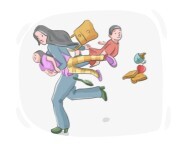
to leave in a hurry
salir disparado, abandonar un lugar de repente y rápido
Tan pronto como terminó la película, salieron disparados del cine.

to swiftly depart from a place, often with the aim of avoiding something or someone
marcharse rápido para evitar a alguien o algo, escabullirse antes de que lo noten
Con prisa, tuvo que escaparse de la fiesta para tomar el último tren a casa.
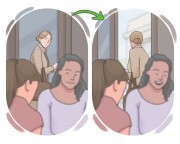
to leave a place, meeting, or situation without drawing attention to oneself
marcharse discretamente, dejar un lugar sin llamar la atención
El empleado intentó salir discretamente de la oficina sin ser visto por el jefe.
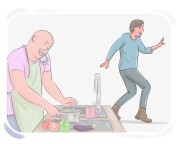
to leave a place quietly so that others may not notice one's departure
escabullirse, irse sin que los demás lo noten
Se escurrieron del restaurante en silencio después de terminar su comida para ir al cine.
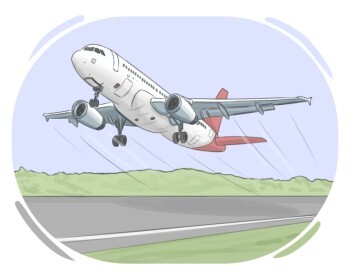
to leave a surface and begin flying
despegar, dejar la superficie y comenzar a volar
Los pájaros despegan sin esfuerzo hacia el cielo con un aleteo de sus alas.

to move away from a location or situation
alejarse de un lugar o situación, alejarse caminando
Se alejaron del evento concurrido para encontrar un espacio más tranquilo.
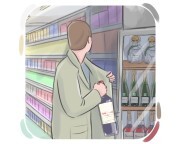
to take something without permission, especially by stealing
llevarse algo sin permiso, robar algo y llevárselo
El ladrón se llevó las joyas durante el alboroto.
