
Inglés y Conocimientos del Mundo para ACT - Mundo Natural
Aprende vocabulario ACT del mundo natural, incluyendo plantas, animales, ecosistemas, entornos, procesos naturales y características del mundo viviente.
Revisión
Tarjetas de memoria
formas
Ortografía
Cuestionario

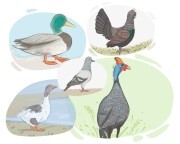
an animal that is hunted and killed for food by another animal

presa

the tough outer covering or skin of a fruit or vegetables
cáscara, piel
Mientras el sol caía con fuerza, ellos se relajaban en la playa, bebiendo bebidas frías con rodajas de cáscara de lima flotando encima.
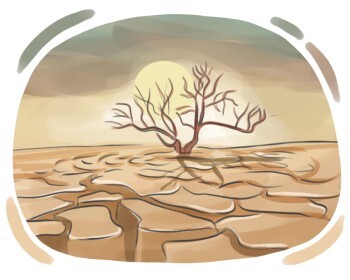
a long period of time when there is not much raining
sequía
Los agricultores rezaron por lluvia mientras continuaba la sequía.
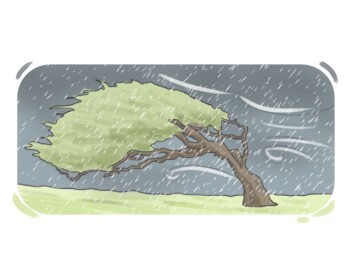
a drastic and sudden rush of wind
ráfaga
A pesar de las ráfagas de viento, el volador de cometas decidido logró mantener su cometa en el aire, maniobrándola hábilmente a través del aire turbulento.
the accumulation of compressed layers of snow on the ground in regions where snowfall is common
manto de nieve, capa de nieve
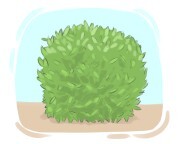
a large woody plant with several main stems emerging from the ground
arbusto
El erizo se escondió bajo el arbusto denso para protegerse de la lluvia.
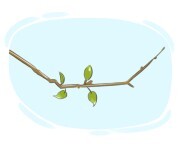
a small and thin branch of a tree stemmed from another branch
ramita
El viento fuerte rompió varias ramitas del árbol durante la tormenta.
a location where the surrounding landscape creates an optical illusion, making a gentle downhill slope appear as if it is an uphill slope
colina de la gravedad, colina gravitatoria
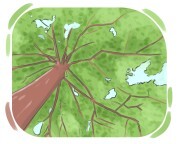
the upper layer of trees in a forest that creates a dense cover with interlocking leaves; offering shade and shelter in the ecosystem
fronda
Observamos monos moviéndose rápidamente a través del dosel arbóreo sobre nosotros.
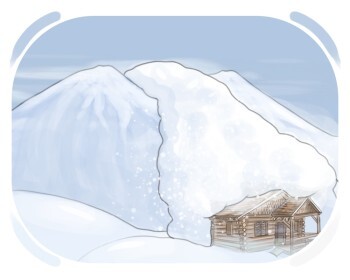
large amounts of snow falling from mountains
avalancha
La avalancha fue causada por una fuerte nevada la noche anterior.
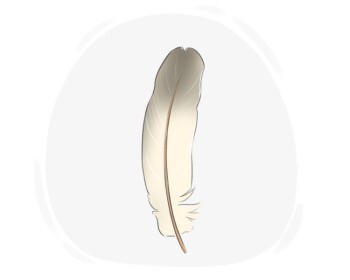
a large, feathery structure or arrangement, typically found on birds, often used for display or flight
pluma, penacho
La pluma colorida del faisán macho deslumbró a los observadores durante la temporada de apareamiento.
a protected area designated for the conservation of wild animals and their natural habitats
reserva natural, refugio de vida silvestre
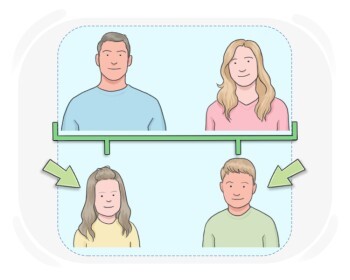
the child or children of a particular person or animal
descendencia, cría
Cuidaron mucho a su descendencia, asegurándose de que tuvieran todo lo que necesitaban.
the dense, low-growing vegetation beneath the canopy of trees in a forest, consisting of shrubs, bushes, and small plants
maleza, matorral
La maleza densa hacía difícil ver el suelo del bosque.
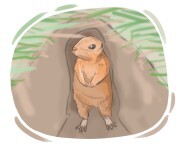
a hole that an animal digs in the ground to use as a shelter
madriguera, conejera
El zorro emergió con cautela de su madriguera al anochecer, listo para comenzar su caza nocturna.
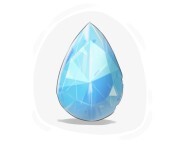
a clear semi-precious gemstone consisting beryllium, with a light blue to green range of color
aguamarina
the skin of an animal with the fur, wool, or hair still covering it
piel
Los cazadores inuit fabricaban hábilmente ropa cálida y refugios con las pieles impermeables de los mamíferos marinos.
the presence of liquid, typically water, in a state of wetness or dampness
humedad, mojadura
Su cabello retenía la humedad del clima húmedo, lo que hacía difícil peinarlo.
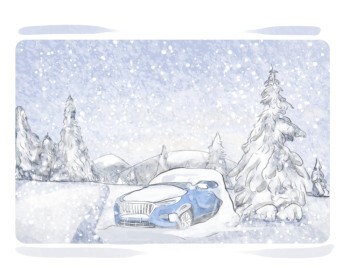
a storm with heavy snowfall and strong winds
tormenta de nieve
El centro de esquí estuvo cerrado debido a la tormenta de nieve.
a sticky, organic substance exuded by certain plants and trees, often used in varnishes, adhesives, and incense
resina, goma
El aroma de la resina quemada llenaba el aire durante la ceremonia del incienso.
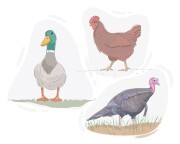
turkeys, chickens, geese, ducks, etc. that are kept for their eggs and meat
aves de corral
La avicultura es una industria agrícola importante en muchos países.
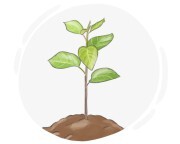
a small and young tree
árbol joven
Protegieron cuidadosamente los jóvenes árboles pequeños de los ciervos.
one or all the descendants of an ancestor
progenie
Se esperaba que la progenie del agricultor se hiciera cargo del negocio familiar y continuara la tradición agrícola.
the capacity of living things for survival, growth, and sustained health
vitalidad, energía vital
a state of deep, restful sleep, often associated with peace and rejuvenation
sueño, reposo
Los osos se retiran a sus guaridas para un largo sueño durante la hibernación.
characterized by abundant and rich growth
lujuriante, exuberante
El viñedo producía vinos de vides lujuriosas, que daban uvas de alta calidad.
safe or suitable for consumption as food
comestible
Algunas plantas lucen bonitas pero no son comestibles.
pleasantly warm, mild, and soothing
templado, cálido y agradable
El clima templado era perfecto para un picnic relajado en el parque.
created through the breeding of two different species, varieties, or breeds
híbrido, cruzado
El laboratorio creó una cepa híbrida de bacterias con fines de investigación.
(of a baby) born before completing the normal full-term pregnancy length
prematuro
Gracias a los cuidados las 24 horas, el bebé prematuro que una vez fue pequeño ahora es un niño pequeño próspero.
to start to grow, producing buds or branches
germinar
Para germinar, estas plantas desérticas requieren una temperatura y una cantidad de lluvia específicas.
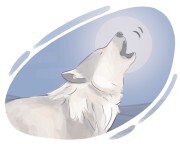
(of an animal such as a dog or wolf) to make a loud and prolonged sound or cry
aullar
El coyote solitario aullaba en la noche, resonando a través del paisaje desolado.
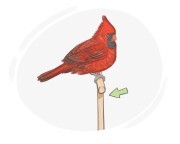
(of a bird) to land and rest on something, such as a branch, bar, etc.
posarse
El águila se posó en lo alto del acantilado, escaneando el valle abajo.
to extract or wash out soluble substances from a material by passing a liquid through it
lixiviar, lixiviar
Las fuertes lluvias lixiviaron los nutrientes de la capa superior del suelo, dejando los campos agotados.
(birds or bats) to settle or rest on a perch or in a shelter for sleep or rest
posarse, descansar
Los pollos se posan en el gallinero para estar a salvo de los depredadores por la noche.
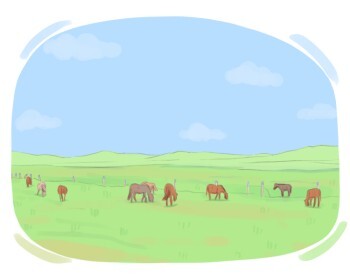
(of sheep, cows, etc.) to feed on the grass in a field
pastar
Los agricultores rotan su ganado a diferentes campos para asegurarse de que tengan áreas frescas para pastar.
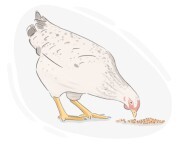
(of a bird) to move the beak in a sudden movement and bite something
picotear
Los patos se picoteaban juguetonamente entre sí en el estanque.
to cut down or bring down, typically referring to trees
derribar, talar
Necesitaban un permiso para talarr legalmente árboles en el bosque protegido.
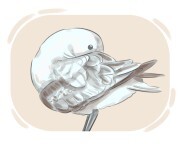
to groom oneself or another individual by straightening and cleaning the feathers or fur using the beak or tongue
acicalarse, arreglarse las plumas
to move or flap rapidly and lightly, typically referring to the motion of wings, leaves, or other flexible objects
aletear, revolotear
Su corazón parecía aleteo de emoción mientras abría la carta.
to raise and care for a child until they are grown
criar
