pattern

Vocabulario para IELTS (Académico) - Guerra

Aquí aprenderás algunas palabras en inglés sobre la guerra, como "guard", "arms", "troop", etc. que se necesitan para el examen IELTS.

Revisión

Tarjetas de memoria

formas

Ortografía

Cuestionario

Empezar a aprender
Words for Academic IELTS
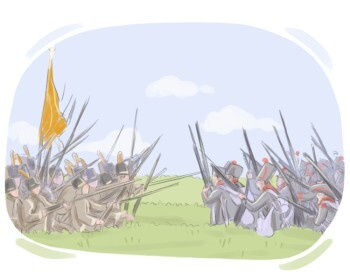
battle
battle
[Sustantivo]

a fight between opposing armed forces, particularly during a war

batalla

batalla

Ex: The historical reenactment of the Civil War battle attracted hundreds of spectators. 

La recreación histórica de la batalla de la Guerra Civil atrajo a cientos de espectadores.

base
base
[Sustantivo]

a place with buildings and facilities for military operations and activities

base
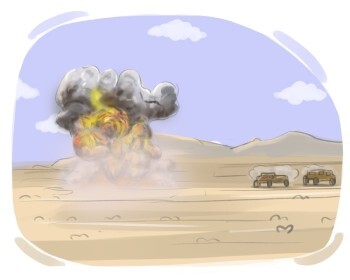
base

Ex: Supplies were delivered to the base by truck. 

Los suministros fueron entregados a la base en camión.

to explode
to explode
[Verbo]

to break apart violently and noisily in a way that causes destruction

explotar, estallar

explotar, estallar

Ex: The gas cylinder exploded, causing a massive fire. 

El cilindro de gas explotó, causando un incendio masivo.

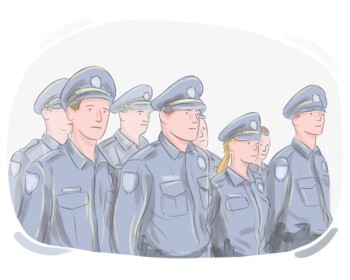
force
force
[Sustantivo]

a group of trained and organized people such as the police, soldiers, etc.

fuerza
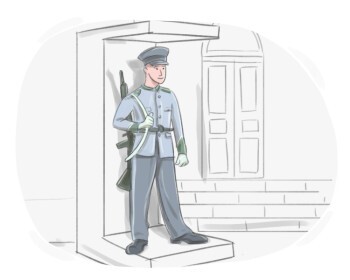
fuerza

Ex: The fire department force demonstrated incredible bravery and teamwork while extinguishing the massive blaze. 

La fuerza del departamento de bomberos demostró una valentía y trabajo en equipo increíbles mientras extinguían el enorme incendio.

to guard
to guard
[Verbo]

to protect a person, place, or property against harm or an attack

guardar, proteger
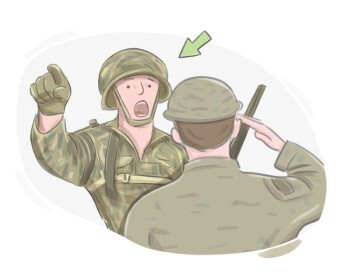
guardar, proteger

Ex: The security team is currently guarding the event venue. 

El equipo de seguridad está actualmente protegiendo el lugar del evento.

to order
to order
[Verbo]

to give an instruction to someone to do something through one's authority

ordenar

ordenar

Ex: The teacher ordered the students to remain quiet during the exam. 

El profesor ordenó a los estudiantes que permanecieran en silencio durante el examen.

target
target
[Sustantivo]

a person, building, or area marked to be attacked

objetivo
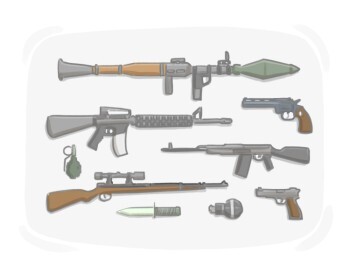
objetivo

Ex: The organization's actions raised concerns about the safety of vulnerable targets. 

Las acciones de la organización generaron preocupación sobre la seguridad de los objetivos vulnerables.

weapon
weapon
[Sustantivo]

an object that can physically harm someone or something, such as a gun, bomb, knife, etc.

arma

arma

Ex: The detective found the murder weapon hidden under the bed. 

El detective encontró el arma del asesinato escondida debajo de la cama.

air force
air force
[Sustantivo]

the branch of the armed forces that operates in the air using fighter aircraft

fuerza aérea

fuerza aérea

Ex: The air force played a crucial role in securing air superiority during the conflict. 

La fuerza aérea jugó un papel crucial en asegurar la superioridad aérea durante el conflicto.

arms
arms
[Sustantivo]

weapons in general, especially those used by the military

armas

armas

Ex: Soldiers were trained extensively in the use of various arms before being deployed to the front lines. 

Los soldados fueron entrenados extensamente en el uso de varias armas antes de ser desplegados en las líneas del frente.

to command
to command
[Verbo]

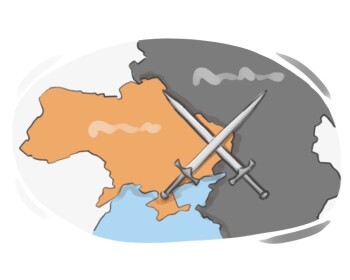
to give an official order to a person or an animal to perform a particular task

mandar
mandar

Ex: The drill sergeant is commanding the recruits to perform push-ups. 

El sargento instructor está ordenando a los reclutas que hagan flexiones.

conflict
conflict
[Sustantivo]

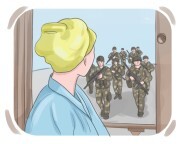
a hostile encounter between armed forces during a war

conflicto
conflicto

Ex: International observers monitored the conflict closely. 

Los observadores internacionales monitorearon el conflicto de cerca.

to invade
to invade
[Verbo]

to enter a territory using armed forces in order to occupy or take control of it

invadir

invadir

Ex: The conquerors were determined to invade the island and claim it for their empire. 

Los conquistadores estaban decididos a invadir la isla y reclamarla para su imperio.
military
military
[Adjetivo]

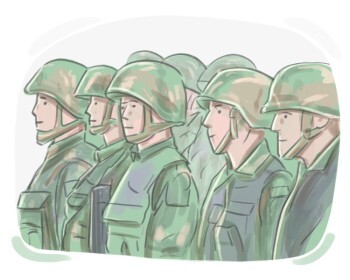
relating to the study or principles of warfare

militar

militar

Ex: Scholars debated classic military principles. 

Los eruditos debatieron los principios militares clásicos.

navy
navy
[Sustantivo]

the branch of the armed forces that operates at sea using warships, destroyers, etc.

armada, marina

armada, marina

Ex: The navy deployed a fleet of ships to provide humanitarian aid after the natural disaster. 

La marina desplegó una flota de barcos para proporcionar ayuda humanitaria después del desastre natural.

recruit
recruit
[Sustantivo]

a person who has just joined the military and is undergoing initial training or has recently begun service

recluta

recluta

Ex: The sergeant gave instructions to the line of fresh recruits. 

El sargento dio instrucciones a la línea de reclutas nuevos.

terrorism
terrorism
[Sustantivo]

the act of using violence such as killing people, bombing, etc. to gain political power

terrorismo

terrorismo

Ex: The organization was classified as a terrorist group due to its involvement in acts of terrorism. 

La organización fue clasificada como grupo terrorista debido a su participación en actos de terrorismo.

troop
troop
[Sustantivo]

armed forces or soldiers, especially by large numbers

tropa

tropa

Ex: The rescue mission required the mobilization of a specialized troop trained for high-risk operations. 

La misión de rescate requirió la movilización de una tropa especializada entrenada para operaciones de alto riesgo.

volunteer
volunteer
[Sustantivo]

someone who enlists in the armed forces without being forced

voluntario

voluntario

Ex: Some volunteers join the armed forces as a way to gain skills and education. 
wound
wound
[Sustantivo]

an injury inflicted on the body especially one that seriously damages the skin or the flesh

herida

herida

Ex: The knife left a small but painful wound on his hand. 

El cuchillo dejó una pequeña pero dolorosa herida en su mano.

to assassinate

to murder a prominent figure in a sudden attack, usually for political purposes

asesinar

asesinar

Ex: In the historical account, a plot was uncovered to assassinate the king. 

En el relato histórico, se descubrió un complot para asesinar al rey.

to blast
to blast
[Verbo]

to violently damage or destroy something using explosives

volar

volar

Ex: The terrorists attempted to blast the bridge with dynamite. 

Los terroristas intentaron volar el puente con dinamita.

casualty
casualty
[Sustantivo]

someone who is killed or wounded during a war or an accident

baja

baja

Ex: The military operation was deemed successful, but the casualty report revealed a heartbreaking loss of life among both soldiers and innocent bystanders. 

La operación militar fue considerada exitosa, pero el informe de bajas reveló una pérdida de vida desgarradora tanto entre soldados como entre transeúntes inocentes.

chemical warfare
chemical warfare
[Sustantivo]

methods of warfare using chemical weapons

guerra química

guerra química

Ex: The use of chemical warfare can result in long-term environmental contamination. 

El uso de la guerra química puede resultar en una contaminación ambiental a largo plazo.

civilian
civilian
[Sustantivo]

a person who is not a member of or not on active duty in armed forces or the police

civil

civil

Ex: The charity provided aid to civilians affected by the conflict. 

La organización benéfica proporcionó ayuda a los civiles afectados por el conflicto.

civil war
civil war
[Sustantivo]

a war that is between people who are in the same country

guerra civil

guerra civil

Ex: Civil wars often result in devastating consequences for the affected country, including loss of life and destruction of infrastructure. 

Las guerras civiles a menudo resultan en consecuencias devastadoras para el país afectado, incluyendo pérdida de vidas y destrucción de infraestructura.

cold war
cold war
[Sustantivo]

a state of unfriendly relationship between two states which are not openly at war with each other

guerra fría

guerra fría

Ex: Cultural exchanges were rare during the cold war between the two regions. 

Los intercambios culturales eran raros durante la guerra fría entre las dos regiones.
hostile
hostile
[Adjetivo]

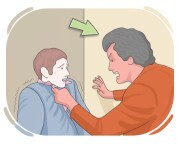
unfriendly or aggressive toward others

agresivo

agresivo

Ex: His hostile attitude towards newcomers created a tense atmosphere in the office. 

Su actitud hostil hacia los recién llegados creó un ambiente tenso en la oficina.

missile
missile
[Sustantivo]

a weapon that carries explosives and can be guided to strike a distant target

misil

misil

Ex: The missile was intercepted before reaching its target. 

El misil fue interceptado antes de alcanzar su objetivo.

projectile
projectile
[Sustantivo]

any object fired or thrown at a person or thing for the purpose of hurting or destroying them

proyectil

proyectil

Ex: Researchers are working on developing projectiles that can be launched with greater precision and force. 

Los investigadores están trabajando en el desarrollo de proyectiles que pueden ser lanzados con mayor precisión y fuerza.

gunboat
gunboat
[Sustantivo]

a small ship equipped with many mounted guns, often used near coastal areas

cañonero, barco cañonero

cañonero, barco cañonero

LanGeek
Descargar la aplicación LanGeek