
Словарный Запас для IELTS (Академический) - Война
Здесь вы выучите некоторые английские слова о войне, такие как "охрана", "оружие", "войска" и т. д., которые необходимы для экзамена IELTS.
Обзор
Флэш-карточки
формы
Правописание
Тест

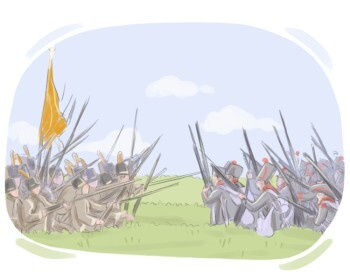
a fight between opposing armed forces, particularly during a war

битва
Решающая битва изменила ход войны.

a place with buildings and facilities for military operations and activities
база
Солдаты вернулись на базу после тренировки.
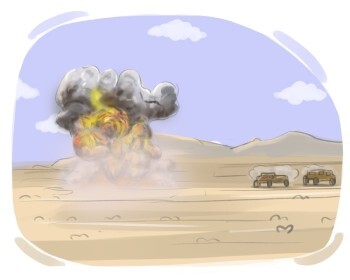
to break apart violently and noisily in a way that causes destruction
взрываться, разрываться
Фейерверки взорвались в небе, освещая ночь.
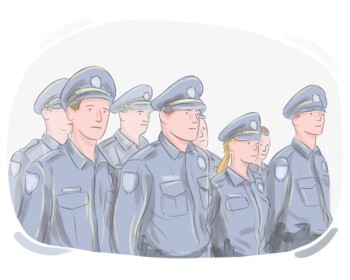
a group of trained and organized people such as the police, soldiers, etc.
вооруженные силы
Полицейская сила неустанно работала, чтобы поддерживать закон и порядок во время общегородских протестов.
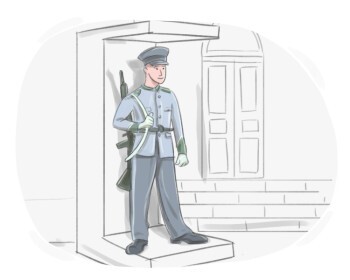
to protect a person, place, or property against harm or an attack
сторожить, охранять
Собака обучена охранять имущество и предупреждать владельцев о потенциальных угрозах.
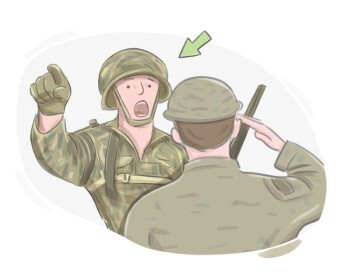
to give an instruction to someone to do something through one's authority
приказывать
Генерал приказал войскам продвигаться к передовой.

a person, building, or area marked to be attacked
мишень
Они установили меры безопасности вокруг целей высокого уровня.
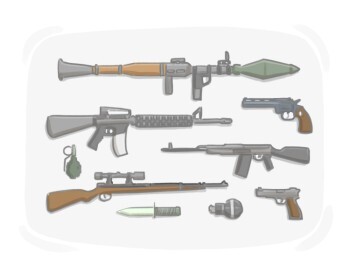
an object that can physically harm someone or something, such as a gun, bomb, knife, etc.
оружие
Солдат носил винтовку в качестве основного оружия во время боя.

the branch of the armed forces that operates in the air using fighter aircraft
военно-воздушные силы
Военно-воздушные силы провели серию учебных упражнений со своими новыми истребителями.
weapons in general, especially those used by the military
оружие
Солдаты были обучены интенсивному использованию различных видов оружия перед отправкой на передовую.
to give an official order to a person or an animal to perform a particular task
командовать
Тренер приказал собаке сидеть и оставаться во время сеанса обучения послушанию.
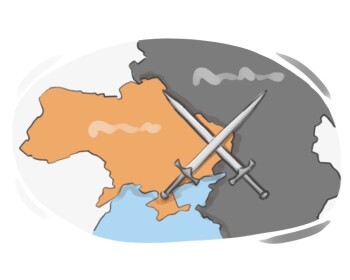
a hostile encounter between armed forces during a war
конфликт
Солдаты вступили в краткий конфликт на границе.
to enter a territory using armed forces in order to occupy or take control of it
вторгаться
Армия решила вторгнуться в соседнюю страну, чтобы обеспечить жизненно важные ресурсы.
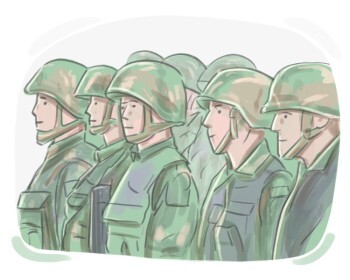
relating to the study or principles of warfare
военный
Он специализировался на военной стратегии в академии.

the branch of the armed forces that operates at sea using warships, destroyers, etc.
военно-морской флот
Флот провёл учения, чтобы обеспечить готовность к морским операциям.
a person who has just joined the military and is undergoing initial training or has recently begun service
новобранец
Новобранец испытывал трудности с физическими нагрузками в учебном лагере.
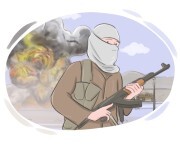
the act of using violence such as killing people, bombing, etc. to gain political power
терроризм
Терроризм представляет собой серьезную угрозу для глобальной безопасности и стабильности.
armed forces or soldiers, especially by large numbers
войска
Генерал развернул элитный отряд на передовой, чтобы укрепить оборонительные позиции.

someone who enlists in the armed forces without being forced
доброволец

an injury inflicted on the body especially one that seriously damages the skin or the flesh
рана
У солдата была глубокая рана на ноге после боя.
to murder a prominent figure in a sudden attack, usually for political purposes
совершать покушение на, убивать
Тайный агент был нанят, чтобы убить политического лидера во время саммита.
to violently damage or destroy something using explosives
взрывать
Команда по сносу взорвала старое здание, чтобы освободить место для новой постройки.
someone who is killed or wounded during a war or an accident
пострадавший
Недавнее землетрясение привело к трагическому числу жертв более 500 человек, оставив семьи опустошенными по всему региону.
methods of warfare using chemical weapons
химическая война
Химическая война широко использовалась во время Первой мировой войны, вызывая огромные потери.
a person who is not a member of or not on active duty in armed forces or the police
гражданское лицо
Солдаты помогли гражданским безопасно эвакуироваться из зоны.
a war that is between people who are in the same country
гражданская война
Американская гражданская война велась между северными штатами (Союз) и южными штатами (Конфедерация) по вопросам рабства и прав штатов.
a state of unfriendly relationship between two states which are not openly at war with each other
холодная война
Две нации находятся в состоянии холодной войны уже десятилетиями, избегая прямого конфликта.
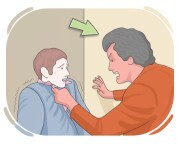
unfriendly or aggressive toward others
враждебный, агрессивный
Он такой враждебный; он всегда отвечает гневом или агрессией в разногласиях.

a weapon that carries explosives and can be guided to strike a distant target
ракета
Армия запустила ракету по вражеской базе.
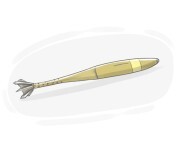
any object fired or thrown at a person or thing for the purpose of hurting or destroying them
снаряд
Во время битвы солдаты бросали импровизированные снаряды в врага, чтобы защитить свою позицию.
