pattern

Slovní Zásoba pro IELTS (Akademická) - Válka

Zde se naučíte některá anglická slova o válce, jako jsou "stráž", "zbraně", "vojsko" atd., která jsou potřebná pro zkoušku IELTS.

Revize

Kartičky

tvary

Pravopis

Kvíz

Začněte se učit
Words for Academic IELTS
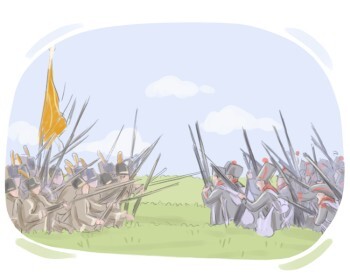
battle
battle
[Podstatné jméno]

a fight between opposing armed forces, particularly during a war

bitva, boj

bitva, boj

Ex: The decisive battle changed the course of the war. 
base
base
[Podstatné jméno]

a place with buildings and facilities for military operations and activities

základna, vojenská základna
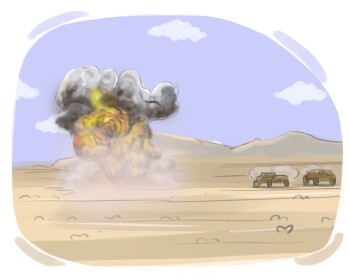
základna, vojenská základna

Ex: The soldiers returned to the base after training. 
to explode
to explode
[sloveso]

to burst apart violently and usually with a loud noise

explodovat, vybuchnout
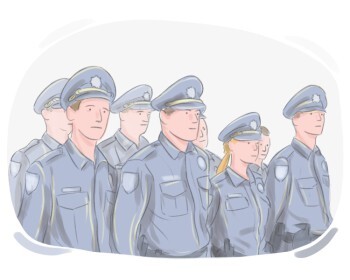
explodovat, vybuchnout

Ex: The boiler had exploded before firefighters arrived. 
force
force
[Podstatné jméno]

a group of trained and organized people such as the police, soldiers, etc.

síla
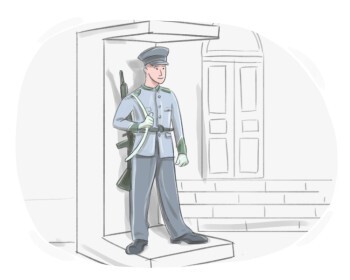
síla

Ex: The police force worked tirelessly to maintain law and order during the city-wide protests. 
to guard
to guard
[sloveso]

to protect a person, place, or property against harm or an attack

hlídat, chránit
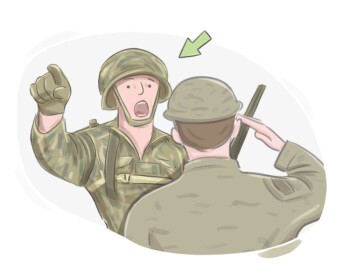
hlídat, chránit

Ex: The goalkeeper's role is to guard the goalpost during a soccer match. 
to order
to order
[sloveso]

to give an instruction to someone to do something through one's authority

přikázat, nařídit

přikázat, nařídit

Ex: The general ordered the troops to advance to the front lines. 
target
target
[Podstatné jméno]

a person, building, or area marked to be attacked

cíl, terč
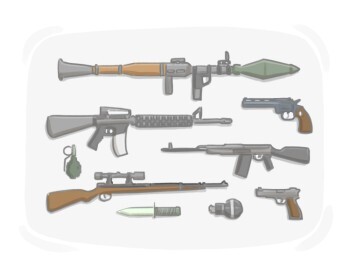
cíl, terč

Ex: They established security measures around high-profile targets. 
weapon
weapon
[Podstatné jméno]

an object that can physically harm someone or something, such as a gun, bomb, knife, etc.

zbraň, výzbroj

zbraň, výzbroj

Ex: The soldier carried a rifle as his primary weapon during combat. 
air force
air force
[Podstatné jméno]

the branch of the armed forces that operates in the air using fighter aircraft

vzdušné síly, letectvo

vzdušné síly, letectvo

Ex: The air force's precision airstrikes helped to disable key enemy installations. 

Přesné letecké údery vzdušných sil pomohly vyřadit klíčové nepřátelské instalace.

arms
arms
[Podstatné jméno]

weapons in general, especially those used by the military

zbraně, výzbroj

zbraně, výzbroj

Ex: The country invested heavily in modernizing its arms to enhance its military capabilities. 

Země výrazně investovala do modernizace svých zbraní, aby zvýšila své vojenské schopnosti.

to command
to command
[sloveso]

to give an official order to a person or an animal to perform a particular task

přikazovat, velet
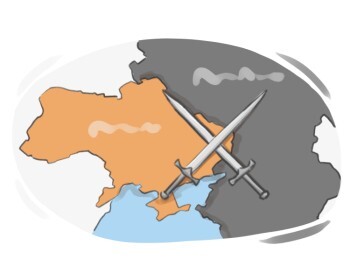
přikazovat, velet

Ex: The general commanded the soldiers to hold their positions. 
conflict
conflict
[Podstatné jméno]

a hostile encounter between armed forces during a war

konflikt, střet
konflikt, střet

Ex: The soldiers engaged in a brief conflict at the border. 
to invade
to invade
[sloveso]

to enter a territory using armed forces in order to occupy or take control of it

vtrhnout, vojensky obsadit

vtrhnout, vojensky obsadit

Ex: Governments around the world are currently considering whether to invade or pursue diplomatic solutions. 

Vlády po celém světě v současné době zvažují, zda napadnout nebo usilovat o diplomatická řešení.
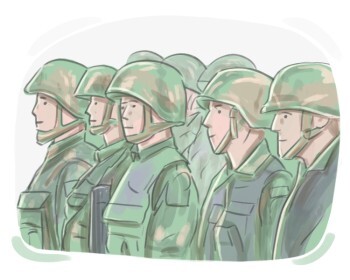
military
military
[Přídavné jméno]

relating to the study or principles of warfare

vojenský, strategický

vojenský, strategický

Ex: He specialized in military strategy at the academy. 
navy
navy
[Podstatné jméno]

the branch of a country's armed forces that conducts military operations at sea

námořnictvo,  vojenské námořnictvo

námořnictvo, vojenské námořnictvo

Ex: The navy took part in a large international exercise. 
recruit
recruit
[Podstatné jméno]

a person who has recently joined the armed forces, especially one undergoing initial training

nováček
nováček

Ex: Recruits must complete several weeks of intensive physical training. 
terrorism
terrorism
[Podstatné jméno]

the act of using violence such as killing people, bombing, etc. to gain political power

terorismus

terorismus

Ex: Many countries are strengthening their laws against terrorism to protect national security. 

Mnoho zemí posiluje své zákony proti terorismu, aby ochránilo národní bezpečnost.

troop
troop
[Podstatné jméno]

armed forces or soldiers, especially by large numbers

vojsko, sbor

vojsko, sbor

Ex: The general deployed an elite troop to the front lines to bolster the defensive positions. 
volunteer
volunteer
[Podstatné jméno]

someone who enlists in the armed forces without being forced

dobrovolník, dobrovolný voják
dobrovolník, dobrovolný voják

Ex: Volunteers can play crucial roles in various military operations and support efforts. 
wound
wound
[Podstatné jméno]

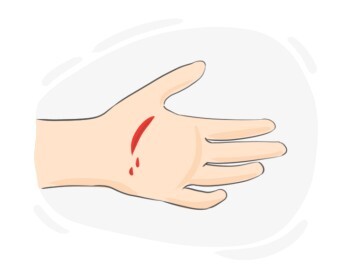
an injury inflicted on the body especially one that seriously damages the skin or the flesh

rána, zranění

rána, zranění

Ex: The soldier had a deep wound on his leg from the battle. 
to assassinate

to murder a prominent figure in a sudden attack, usually for political purposes

zavraždit, zabít

zavraždit, zabít

Ex: The group of rebels conspired to assassinate the ruling monarch. 

Skupina rebelů spikla se, aby zavraždila vládnoucího monarchu.

to blast
to blast
[sloveso]

to damage, destroy, or break apart something with explosives

odstřelit,  vyhodit do povětří

odstřelit, vyhodit do povětří

Ex: Dynamite was used to blast the old structure into pieces. 
casualty
casualty
[Podstatné jméno]

a person who is injured or killed in a serious accident or disaster

zraněný,  oběť

zraněný, oběť

Ex: Rescue teams carried the casualties away from the crash site. 
chemical warfare
chemical warfare
[Podstatné jméno]

methods of warfare using chemical weapons

chemická válka, chemické zbraně

chemická válka, chemické zbraně

Ex: Advances in technology have made chemical warfare a significant concern for modern security. 

Pokroky v technologii učinily chemickou válku významným problémem moderní bezpečnosti.

civilian
civilian
[Podstatné jméno]

a person who is not a member of the armed forces

civilista, civilní osoba

civilista, civilní osoba

Ex: The road was closed to civilians during the military exercise. 
civil war
civil war
[Podstatné jméno]

a war that is between people who are in the same country

občanská válka, vnitřní konflikt

občanská válka, vnitřní konflikt

Ex: Civil wars typically arise from internal conflicts over political, social, or economic differences within a nation. 

Občanské války obvykle vznikají z vnitřních konfliktů kvůli politickým, sociálním nebo ekonomickým rozdílům v rámci národa.

cold war
cold war
[Podstatné jméno]

a state of unfriendly relationship between two states which are not openly at war with each other

studená válka, skrytý konflikt

studená válka, skrytý konflikt

Ex: A cold war developed between the neighboring countries over territorial disputes. 

Mezi sousedními zeměmi se kvůli územním sporům vyvinula studená válka.
hostile
hostile
[Přídavné jméno]

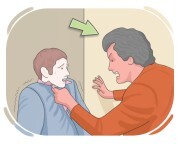
unfriendly, antagonistic, or aggressive toward someone or something

nepřátelský

nepřátelský

Ex: Several customers became hostile toward the security staff. 
missile
missile
[Podstatné jméno]

a self-propelled weapon launched through the air toward a target, typically carrying an explosive charge

střela
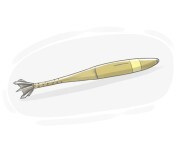
střela

Ex: Residents were warned to take shelter after a missile was launched. 
projectile
projectile
[Podstatné jméno]

any object fired or thrown at a person or thing for the purpose of hurting or destroying them

projektil, střela

projektil, střela

Ex: Throwing a projectile with accuracy requires skill and practice to avoid unintended harm. 

Vrhnutí projektilu s přesností vyžaduje dovednost a praxi, aby se předešlo nechtěnému poškození.

gunboat
gunboat
[Podstatné jméno]

a small warship fitted with heavy guns, often used for coastal operations

kanonová loď

kanonová loď

Ex: Gunboats were commonly used in the 19th century for colonial expeditions. 
LanGeek
Stáhnout aplikaci LanGeek