pattern

Słownictwo do IELTS (Akademickie) - Wojna

Tutaj nauczysz się niektórych angielskich słów dotyczących wojny, takich jak "straż", "broń", "oddział" itp., które są potrzebne do egzaminu IELTS.

Przegląd

Fiszki

formy

Pisownia

Test

Zacznij naukę
Words for Academic IELTS
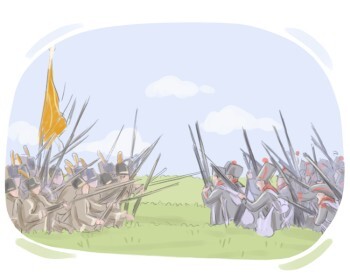
battle
battle
[Rzeczownik]

a fight between opposing armed forces, particularly during a war

bitwa, walka

bitwa, walka

Ex: The decisive battle changed the course of the war. 
base
base
[Rzeczownik]

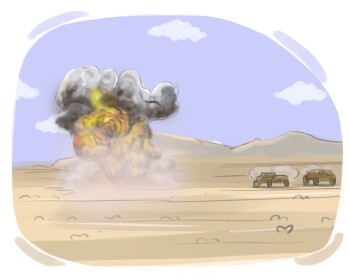
a place with buildings and facilities for military operations and activities

baza, baza wojskowa
baza, baza wojskowa

Ex: The soldiers returned to the base after training. 
to explode
to explode
[Czasownik]

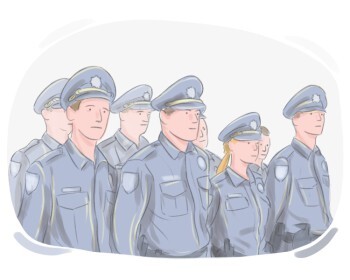
to burst apart violently and usually with a loud noise

eksplodować, wybuchać
eksplodować, wybuchać

Ex: Several windows shattered when the device exploded. 
force
force
[Rzeczownik]

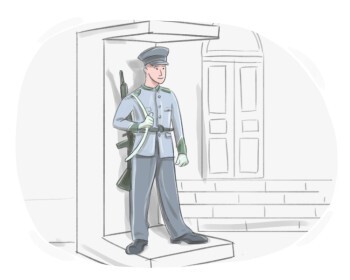
a group of trained and organized people such as the police, soldiers, etc.

siła
siła

Ex: The police force worked tirelessly to maintain law and order during the city-wide protests. 
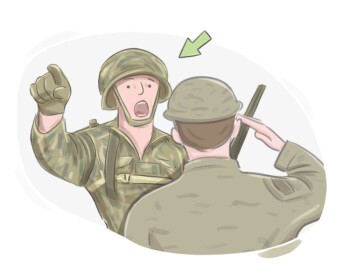
to guard
to guard
[Czasownik]

to protect a person, place, or property against harm or an attack

strzec, chronić
strzec, chronić

Ex: Personal bodyguards are hired to guard high-profile individuals from potential dangers. 
to order
to order
[Czasownik]

to give an instruction to someone to do something through one's authority

rozkazywać, nakazywać

rozkazywać, nakazywać

Ex: The general ordered the troops to advance to the front lines. 
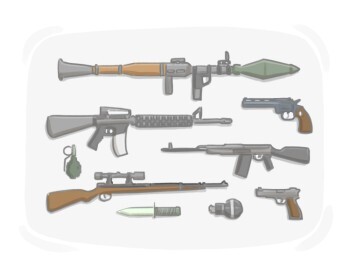
target
target
[Rzeczownik]

a person, building, or area marked to be attacked

cel, obiekt
cel, obiekt

Ex: They established security measures around high-profile targets. 
weapon
weapon
[Rzeczownik]

an object that can physically harm someone or something, such as a gun, bomb, knife, etc.

broń, uzbrojenie

broń, uzbrojenie

Ex: The soldier carried a rifle as his primary weapon during combat. 
air force
air force
[Rzeczownik]

the branch of the armed forces that operates in the air using fighter aircraft

siły powietrzne, lotnictwo

siły powietrzne, lotnictwo

Ex: The air force base houses a fleet of advanced aircraft used for both defense and reconnaissance missions. 

Baza sił powietrznych mieści flotę zaawansowanych statków powietrznych używanych zarówno do misji obronnych, jak i rozpoznawczych.

arms
arms
[Rzeczownik]

weapons in general, especially those used by the military

broń, uzbrojenie

broń, uzbrojenie

Ex: The country invested heavily in modernizing its arms to enhance its military capabilities. 

Kraj zainwestował znacznie w modernizację swojej broni, aby zwiększyć swoje zdolności wojskowe.

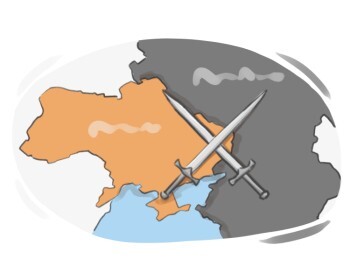
to command
to command
[Czasownik]

to give an official order to a person or an animal to perform a particular task

rozkazywać, dowodzić
rozkazywać, dowodzić

Ex: The coach commands the team to focus on their defensive strategy. 
conflict
conflict
[Rzeczownik]

a hostile encounter between armed forces during a war

konflikt, starcie
konflikt, starcie

Ex: The soldiers engaged in a brief conflict at the border. 
to invade
to invade
[Czasownik]

to enter a territory using armed forces in order to occupy or take control of it

najechać, zająć militarnie

najechać, zająć militarnie

Ex: Last year, military forces successfully invaded and occupied the contested area. 

W zeszłym roku siły militarne skutecznie najechały i zajęły sporny obszar.
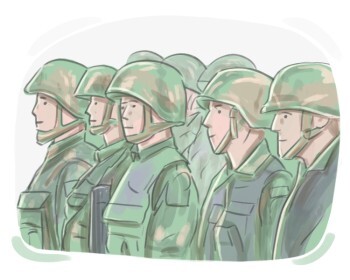
military
military
[przymiotnik]

relating to the study or principles of warfare

wojskowy, strategiczny

wojskowy, strategiczny

Ex: He specialized in military strategy at the academy. 
navy
navy
[Rzeczownik]

the branch of a country's armed forces that conducts military operations at sea

marynarka wojenna,  flota wojenna

marynarka wojenna, flota wojenna

Ex: The country is investing in new equipment for its navy. 
recruit
recruit
[Rzeczownik]

a person who has recently joined the armed forces, especially one undergoing initial training

rekrut
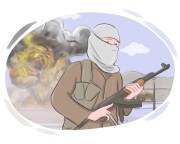
rekrut

Ex: Michael was one of thirty recruits at the training camp. 
terrorism
terrorism
[Rzeczownik]

the act of using violence such as killing people, bombing, etc. to gain political power

terroryzm

terroryzm

Ex: The government implemented stricter security measures to combat terrorism. 

Rząd wprowadził bardziej rygorystyczne środki bezpieczeństwa w celu zwalczania terroryzmu.

troop
troop
[Rzeczownik]

armed forces or soldiers, especially by large numbers

oddział, korpus

oddział, korpus

Ex: The general deployed an elite troop to the front lines to bolster the defensive positions. 
volunteer
volunteer
[Rzeczownik]

someone who enlists in the armed forces without being forced

ochotnik, żołnierz ochotnik
ochotnik, żołnierz ochotnik

Ex: Volunteers can play crucial roles in various military operations and support efforts. 
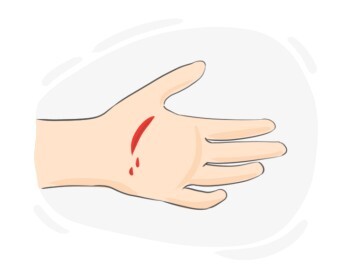
wound
wound
[Rzeczownik]

an injury inflicted on the body especially one that seriously damages the skin or the flesh

rana, uraz

rana, uraz

Ex: The soldier had a deep wound on his leg from the battle. 
to assassinate
to assassinate
[Czasownik]

to murder a prominent figure in a sudden attack, usually for political purposes

zamordować, zabić

zamordować, zabić

Ex: The skilled sniper successfully assassinated the prime minister without being detected. 

Wykwalifikowany snajper skutecznie zamordował premiera, nie będąc wykrytym.

to blast
to blast
[Czasownik]

to damage, destroy, or break apart something with explosives

wysadzić,  wysadzać w powietrze

wysadzić, wysadzać w powietrze

Ex: The army blasted the entrance with explosives. 
casualty
casualty
[Rzeczownik]

a person who is injured or killed in a serious accident or disaster

poszkodowany,  ofiara

poszkodowany, ofiara

Ex: Hospitals prepared to receive casualties from the explosion. 
chemical warfare
chemical warfare
[Rzeczownik]

methods of warfare using chemical weapons

wojna chemiczna, broń chemiczna

wojna chemiczna, broń chemiczna

Ex: During the conflict, chemical warfare was employed to incapacitate enemy forces. 

Podczas konfliktu zastosowano wojnę chemiczną, aby unieszkodliwić siły wroga.

civilian
civilian
[Rzeczownik]

a person who is not a member of the armed forces

cywil

cywil

Ex: Several civilians were rescued from the damaged building. 
civil war
civil war
[Rzeczownik]

a war that is between people who are in the same country

wojna domowa, konflikt wewnętrzny

wojna domowa, konflikt wewnętrzny

Ex: The Syrian Civil War has caused a humanitarian crisis with millions displaced and seeking refuge in neighboring countries. 

Syryjska wojna domowa spowodowała kryzys humanitarny, w wyniku którego miliony osób zostały przesiedlone i szukają schronienia w sąsiednich krajach.

cold war
cold war
[Rzeczownik]

a state of unfriendly relationship between two states which are not openly at war with each other

zimna wojna, ukryty konflikt

zimna wojna, ukryty konflikt

Ex: The cold war led to an arms race, with both sides increasing their military capabilities. 

Zimna wojna doprowadziła do wyścigu zbrojeń, obie strony zwiększały swoje zdolności wojskowe.
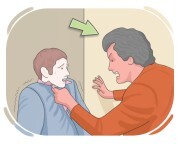
hostile
hostile
[przymiotnik]

unfriendly, antagonistic, or aggressive toward someone or something

wrogi

wrogi

Ex: His tone was cold and openly hostile. 
missile
missile
[Rzeczownik]

a self-propelled weapon launched through the air toward a target, typically carrying an explosive charge

pocisk
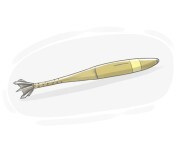
pocisk

Ex: The missile failed to reach its intended target. 
projectile
projectile
[Rzeczownik]

any object fired or thrown at a person or thing for the purpose of hurting or destroying them

pocisk, pocisk rakietowy

pocisk, pocisk rakietowy

Ex: In future conflicts, projectiles made from new materials may prove more effective than those used in the past. 

W przyszłych konfliktach pociski wykonane z nowych materiałów mogą okazać się bardziej skuteczne niż te używane w przeszłości.

gunboat
gunboat
[Rzeczownik]

a small warship fitted with heavy guns, often used for coastal operations

kanonierka

kanonierka

Ex: The gunboat fired warning shots across the bow of the approaching vessel. 
LanGeek
Pobierz aplikację LanGeek