
Kabiguan - Pagkasira
Tuklasin kung paano nauugnay ang mga idyoma sa Ingles tulad ng "on the ropes" at "fan the flames" sa pagkasira sa Ingles.
Repasuhin
Flashcards
Pagsusulit


to intensify a disagreement or argument

pinapalala ang sitwasyon, lalo pang palalain ang alitan
Sinubukan niyang pakalmahin ang sitwasyon, hindi palalain ito.

to worsen a bad situation by doing or saying something hurtful or disrespectful, in addition to the harm that has already been caused
dagdagan pa ang sakit, palalain pa ang sitwasyon
Nakalimutan niya ang kaarawan ko, at para mas masakit pa, ginawa niya itong biro.

to worsen a bad, unpleasant, or dangerous situation for someone or something
gatungan ang apoy, palalain ang gulo
Lalong pinagliyab ng galit niyang talumpati ang protesta.
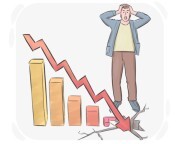
to rapidly and irreversibly deteriorate or decline in a manner that is likely to result in a bad outcome or failure
tuluyang bumagsak, mabilis na sumadsad
Pagdating ng bagong manager, tuluyang bumagsak ang buong departamento.

to deteriorate or decline significantly
bumagsak, sumama ang lagay
Bumagsak ang lugar matapos magsara ang mga pabrika.

to be in a very poor condition, particularly compared to the past
nasa masamang kalagayan, malala ang lagay
Nasa masamang kalagayan na ang lumang sopang ito, pero komportable pa rin.

to unintentionally do something that harms oneself or one's own interests
mapahamak sa sariling gawa, kumilos laban sa sarili
Dahil tumanggi siyang humingi ng tawad, napahamak siya sa sarili niyang gawa.

a situation in which one gets affected by two unpleasant or unfortunate events that happen at once
dobleng dagok, sabay na malas
Ang mawalan ng trabaho at magkasakit sa parehong linggo ay dobleng dagok.

in a very poor condition or near the end of their lifespan or usefulness
nasa huling yugto, malapit nang matapos
Nasa huling yugto na ang luma kong laptop at nagka-crash bawat oras.

very likely to be defeated or completely fail
malapit nang matalo, nasa alanganin
Matapos mawalan ng tatlong malalaking kliyente, malapit nang matalo ang kumpanya.

used when one moves from a bad situation into a worse one
mula masama tungo sa mas malala, napunta sa mas masahol
Umalis siya sa trabahong nakaka-stress, pero mas malala pa ang bago niyang boss; napunta siya sa mas masahol.
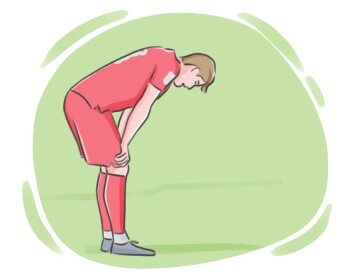
used to describe someone who is really tired after an exhaustive physical activity
pagod na pagod, hapong-hapo
Pagkatapos ng mahabang hike, pagod na pagod kaming lahat.

used to indicate that a situation is about to become tense, difficult, or critical
umiinit ang sitwasyon, lumalala ang sitwasyon
Kapag nagsimula ang audit bukas, iinit ang sitwasyon.
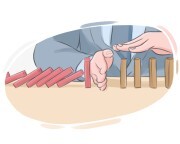
to suddenly and completely stop, often in a dramatic or unexpected manner, implying a sense of frustration, disappointment, or failure
tuluyang huminto, biglang tumigil
Tuluyang huminto ang proyekto nang putulin ang pondo.

a situation, organization, or plan that seems likely to fail
to suddenly become worse
to barely keep a situation from falling apart
to suddenly become much worse
to exhaust or harm oneself by working or training too hard
to seem to lose progress or move away from improvement

to slowly come to a complete stop after gradually losing speed or power
unti-unting huminto, mawalan ng takbo at huminto
Unti-unting huminto ang ekonomiya habang nagsasara ang mga pabrika at bumababa ang paggastos.

to become ruined or destroyed, often due to a person's own actions or neglect
mapariwara, masira nang tuluyan
Pinabayaan niyang mapariwara ang negosyo sa hindi pagpansin sa lahat ng babala.
